


 실제 크기로 보기
 보내기
보내기 공유하기
공유하기
 상세 보기
상세 보기 가이드 보기

 이미지 다운로드
 유사 작품 더 보기
 X-레이
X-레이 슬라이드 쇼 보기
 통계 정보
통계 정보The Wandering Jew
 Acrylic On Canvas
- WallArt
- Expressionism
 1925
1925- Modern
 72.0 x 57.0 cm
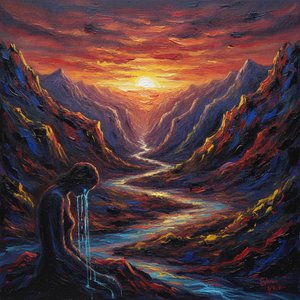
Marc Chagall’s "The Wandering Jew" (1925) – a haunting Expressionist oil painting of solitude & travel. Explore its symbolic depth, thick brushstrokes & dramatic lighting. A unique piece for art collectors.
 상세 보기
상세 보기
몽환적인 색채와 유대 민속 문화를 담은 마르크 샤갈! '나와 마을', '비테브스크 위에서' 등 꿈결 같은 회화로 20세기 미술에 큰 영향을 미친 러시아-프랑스 화가입니다. 그의 작품 세계를 만나보세요.
이 페이지에 표시된 작품은 저작권법의 보호를 받으며, 이에 따라 동일한 복제품을 제작하거나 판매하는 것은 법으로 금지되어 있습니다. 이러한 권리 보호는 다음과 같은 국제 협약에 따라 시행됩니다. 베른 협약 또한 다음에서 명시하는 법률을 포함한 국내법에 의해 보호됩니다. 미국 저작권법 제17조.
저희는 존중을 담은 합법적인 대안으로서, 원작에서 영감을 받은 맞춤형 수제 유화 작품을 제공합니다. 저희의 숙련된 전문 화가들은 원작의 스타일, 분위기, 예술적 정수를 면밀히 연구하여, 그 자체로 독창적인 창작물이면서도 원작과 동일한 감동을 불러일으키는 새로운 작품을 만들어냅니다.
이 방식은 저작권 보호를 받는 예술 작품을 복제하거나 그대로 재현하는 것이 아니기에 저작권 규정을 완벽히 준수합니다. 대신, 이는 창의적인 재해석의 과정을 거칩니다. 즉, 원작에서 영감을 받되 원작과 동일하지 않은 새로운 회화 작품을 의미합니다.
핸드메이드 유화 복제화
작가가 직접 캔버스에 손으로 그린 유화 작품으로, 원하는 크기와 액자로 맞춤 제작해 드립니다. ( 프린트 판매로 전환 디지털 이미지 판매 채널로 전환)




P118B ₩10

P118H ₩10

P118W ₩10

P438Z ₩10

P508JH ₩12

P508YH ₩12

P805H ₩10

P805Z ₩10

P919BZ ₩10

P919G ₩10

P919XJ ₩10

P959ZH ₩10

P968JZ ₩12

W106C ₩8

W218G ₩10

W218JH ₩8

W218Y ₩10

W307PJ ₩10

W316G ₩10

W316PJ ₩8

W316Y ₩10

W398PJ ₩8

W4111J ₩10

W500HY ₩15

W500JH ₩15

W692G ₩12

W849H ₩8

W940BG ₩15

W953PJ ₩8




표준 규격
맞춤 제작
CM
INCH
작품의 원본 비율을 그대로 유지하는 프리셋 사이즈 중에서 선택해 보세요.
Loading sizes...

가로 너비
높이
특정 프레임이나 공간에 맞춰 원하는 크기를 직접 입력하실 수 있습니다. 선택하신 크기가 원본 이미지의 비율과 일치하지 않을 경우, 작품을 자르거나 추가적인 수작업 요소를 더해 그림을 확장하여 제작합니다. 제작 시작 전, 최종 확인을 위해 디지털 목업을 보내드립니다.
화면상의 미리 보기는 실제 크롭(자르기)이나 확장된 상태를 완벽히 반영하지 않을 수 있습니다. 최종 구도는 오직 목업을 통해서만 정확하게 확인하실 수 있습니다.
맞춤 크기 제작도 가능하지만, 원본의 비율을 그대로 유지하기 위해서는 미리 정의된 목록에서 크기를 선택하시는 것을 권장합니다.
변경 가능한 예시: 얼굴을 고객님의 사진으로 교체, 반려동물 추가(예: 고양이를 강아지로 변경), 배경에 숨겨진 메시지 삽입, 배경 풍경 또는 요소 변경 등
주문 완료 후 TopImpressionists.com 팀에서 상세 안내를 위해 고객님께 이메일을 보내드리며, 미리보기 시안을 함께 제공해 드립니다.
주문 완료 후 TopImpressionists.com 팀에서 상세 안내를 위해 고객님께 이메일을 보내드리며, 미리보기 시안을 함께 제공해 드립니다.


 유리 옵션은 110cm 미만 크기에서만 선택 가능합니다.

The Wandering Jew
재현 매체
복제본 규격
-


총 결제 금액
₩ 360998
A Solitary Journey: Decoding Chagall’s “The Wandering Jew”
Marc Chagall's 1925 oil painting, *The Wandering Jew*, is a powerful and evocative work that transcends simple representation. Measuring 72 x 57 cm, this piece isn’t merely a depiction of a traveler; it’s an exploration of isolation, perseverance, and the weight of history – themes deeply resonant within Chagall's oeuvre and the broader context of post-war Europe.Expressionistic Style & Technique
The artwork is firmly rooted in Expressionism, a style that prioritizes emotional experience over objective reality. Chagall employs several key techniques to achieve this effect:- Distorted Forms: The figure and landscape are deliberately abstracted, with simplified shapes and elongated proportions contributing to a sense of unease.
- Bold Brushwork: Visible, gestural brushstrokes create texture and energy, emphasizing the physicality of the paint and the artist’s hand. Impasto – thickly applied paint – further enhances this tactile quality.
- Dramatic Lighting: Stark contrasts between light and shadow heighten the emotional intensity, drawing attention to the figure's form and accentuating the bleakness of the surroundings.
- Flattened Perspective: The lack of traditional spatial depth contributes to a claustrophobic atmosphere, intensifying the feeling of confinement and loneliness.
Subject & Symbolism
The central figure – likely a peasant or wanderer – is immediately arresting. He carries a substantial sack, clutches a walking stick, and puffs on a pipe, all elements that speak to hardship, travel, and perhaps a yearning for something beyond his present circumstances. However, the title itself introduces a crucial layer of meaning. The “Wandering Jew” is a figure steeped in legend – an immortal man condemned to roam the earth as punishment for taunting Jesus Christ.- The Wandering Jew Legend: Understanding this historical and cultural reference point is vital. Chagall, being of Belarusian Jewish origin, was acutely aware of the centuries-old persecution faced by his people. The painting can be interpreted as a visual representation of that enduring diaspora and the burden of collective memory.
- The Pipe: Often associated with contemplation and escape, the pipe suggests an attempt to find solace or distraction from the harsh realities of life.
- The Sack & Walking Stick: These symbolize the weight of experience and the relentless journey through life. They represent both physical and emotional baggage.
- Bleak Landscape: The desolate background reinforces the themes of isolation and despair, suggesting a world devoid of comfort or hope.
Historical Context & Chagall’s Vision
Created in 1925, *The Wandering Jew* reflects the anxieties and uncertainties of the post-World War I era. Europe was grappling with immense social, political, and economic upheaval. Chagall, having experienced displacement himself (moving between Russia, France, and the United States), likely channeled these feelings into his art. While not explicitly a war painting, it captures the pervasive sense of loss and alienation that characterized the period. Chagall’s unique artistic voice blended elements of Cubism, Symbolism, and his own deeply personal experiences. He wasn't simply replicating reality; he was creating a visual language to express profound emotional truths. His work often draws upon Jewish folklore and memories of his childhood in Vitebsk, Belarus – a city known as the “Russian Toledo” for its vibrant cultural mix.Emotional Impact & Collectibility
*The Wandering Jew* is not an easy painting to look at. It evokes feelings of melancholy, loneliness, and perhaps even empathy for the figure’s plight. However, it's precisely this emotional honesty that makes it so compelling. The artwork invites viewers to contemplate their own journeys through life, the burdens they carry, and the search for meaning in a sometimes-hostile world. For collectors and interior designers, this piece offers a unique opportunity to acquire a work of significant artistic merit and historical resonance. Its muted color palette and expressive brushwork would complement a variety of interiors, adding depth and sophistication to any space. A high-quality reproduction allows one to experience the emotional power of Chagall’s vision without the investment required for an original – bringing a touch of profound artistry into your home or office.질의응답
"The Wandering Jew"은(는) 어느 작가의 작품인가요?
"The Wandering Jew"은(는) 마르크 샤갈의 작품입니다. 이 페이지의 정보는 마르크 샤갈의 원작에 대해 설명합니다.
"The Wandering Jew"과(와) 유사한 작품이 더 있을까요?
마르크 샤갈의 "The Wandering Jew"의 유사한 작품 페이지에서 관련 작품들을 만나보세요.
"The Wandering Jew"은(는) 누가 제작했으며 어떤 화풍인가요?
"The Wandering Jew"의 뒤에는 마르크 샤갈와 Expressionism 운동이 자리하고 있습니다.
마르크 샤갈의 "The Wandering Jew"은 밝은 분위기의 작품인가요, 아니면 어두운 분위기의 작품인가요?
마르크 샤갈의 "The Wandering Jew"의 느껴지는 밝기는 shadow입니다. 이는 의도한 공간의 조명과 조화를 이룰 수 있습니다.
마르크 샤갈의 "The Wandering Jew"의 제작 연도는 언제인가요?
"The Wandering Jew"은(는) 1925년에 제작되었습니다. 이 시기는 마르크 샤갈의 예술적 경력과 당시의 시대상을 잘 보여줍니다.
마르크 샤갈의 "The Wandering Jew"의 이미지는 어떻게 다운로드하나요?
마르크 샤갈의 "The Wandering Jew"의 이미지는 작품의 다운로드 페이지에서 다운로드하실 수 있습니다: 고해상도 디지털 이미지 다운로드.
마르크 샤갈의 "The Wandering Jew"의 수작업 복제화를 어디에서 구매할 수 있나요?
마르크 샤갈의 "The Wandering Jew"의 수작업 복제화는 본 웹사이트의 리넨 캔버스 위에 손으로 직접 그린 유화 복제화에서 만나보실 수 있으며, 현재 페이지를 통해 주문 가능합니다.
"The Wandering Jew"의 Expressionism 양식에는 어떤 정서적 어조가 담겨 있나요?
Expressionism 사조 안에서, "The Wandering Jew"은(는) Melancholic한 어조로 기록되어 있습니다.
작가 소개
꿈과 색채의 시인, 마르크 샤갈
마르크 샤갈은 1887년 벨라루스 리오즈나 마을에서 모이셰 샤갈이라는 이름으로 태어났습니다. 그의 삶은 20세기 격동의 시간을 반영하며, 동시에 깊은 개인적 비전을 통해 유대교 민속과 상상력에 대한 변함없는 믿음을 담아냈습니다. 고향인 비테브스크는 단순한 출생지가 아닌, 그의 예술 세계의 핵심이 되었습니다. 하늘을 나는 인물들, 기발한 동물들, 그리고 기억 속 풍경의 생생한 색채로 채워진 반복적인 모티프가 그 증거입니다. 러시아 정교회 교회와 번화한 유대인 시장이 공존하는 도시의 독특한 문화적 혼합은 그의 예술을 쉽게 분류할 수 없게 만드는 미학적 감수성을 만들어냈습니다. 그는 지역 사인 페인터 밑에서, 그리고 이후 상트페테르부르크에서 르옹 바크스트에게 정식 교육을 받았지만, 어떤 특정 예술 운동에도 완전히 동화되지 않았습니다. 입체주의, 상징주의, 야수파의 요소를 흡수했지만, 항상 자신의 강렬한 개인적 시각을 통해 걸러내어 독특하고 분명한 샤갈 스타일을 창조했습니다.초창기의 흔들림과 예술적 언어의 형성
샤갈의 초기 작품들은 이미 그가 개발할 뚜렷한 언어를 암시했습니다. 나 그리고 마을(1911)은 단순한 장소 묘사가 아닌, 정체성, 기억, 개인과 공동체의 관계를 탐구하는 작품입니다. 마을은 현실적으로 묘사되지 않고, 상징적인 의미로 가득 찬 회상들의 파편화된 모음으로 표현됩니다. 이러한 개인적 경험을 보편적인 주제로 변환시키는 능력은 그의 예술의 특징이 되었습니다. 그의 팔레트는 대담하고 표현력이 풍부했으며, 종종 문자 그대로의 묘사보다는 감정을 전달하기 위해 생생하고 비자연스러운 색상을 사용했습니다. 인물들은 중력을 거스르며 캔버스 위를 떠다니고 춤추며, 보는 이들을 그의 내면 세계로 초대하는 듯한 꿈결 같은 분위기를 자아냅니다. 이러한 스타일적 접근은 우연이 아니었습니다. 그것은 현실의 단순한 모방을 넘어 감정의 본질, 기억의 무게, 민속의 힘을 포착하고자 하는 열망에서 비롯된 것이었습니다. 러시아 혁명은 샤갈을 비테브스크로 다시 불러들였고, 그는 문화적 활동에 참여하여 잠시 번성했던 미술 학교를 설립했습니다. 이 시기는 창조적인 에너지와 정치적 실망이 공존하는 시기였으며, 이는 그의 예술적 여정을 계속 형성하는 긴장감을 만들어냈습니다.세계를 횡단하며 꽃피운 예술혼: 파리, 뉴욕 그리고 그 너머
결국 샤갈은 러시아를 떠나 프랑스에 정착하여 국제적인 명성을 얻고 다작 활동을 펼쳤습니다. 비테브스크 위로(1920-1922)는 그의 어린 시절의 기억과의 지속적인 교감을 보여주며, 성경 이야기를 주제로 한 작품들은 종교적 테마에 대한 관심이 커지고 있음을 드러냅니다. 제2차 세계 대전 발발로 인해 그는 나치 점령 하의 프랑스를 떠나 미국으로 피신했고, 7년 동안 뉴욕에서 생활했습니다. 이 시기는 깊은 감정적인 동요와 예술적 실험으로 가득 차 있었습니다. 그는 자신의 예술 속에서 위안을 찾았으며, 그 시대의 불안과 불확실성을 반영하는 강력한 작품들을 창조했습니다. 백색 십자가(1938)는 고통과 박해를 묘사한 작품으로, 이 시기의 그의 예술에 대한 증거입니다. 전쟁 이후 샤갈은 프랑스로 돌아와 1985년 97세의 나이로 세상을 떠날 때까지 그림을 그리고 창작 활동을 이어갔습니다.영원히 빛나는 유산
말년에 마르크 샤갈은 파리 오페라 극장의 천장(1964)과 예루살렘의 하다사 히브리 대학교 의료 센터 회당의 스테인드글라스 창문 등 수많은 명망 있는 의뢰를 받았습니다. 이러한 대규모 프로젝트는 그의 예술적 비전을 건축 공간으로 전환시켜 경외심과 놀라움을 불러일으키는 몰입형 환경을 만들었습니다. 샤갈의 영향력은 후대 예술가들에게도 부정할 수 없습니다. 그의 서정적인 품질, 감정적인 깊이, 상상력이 풍부한 힘은 초현실주의자들을 포함하여 환상과 상징주의를 포용하는 다양한 운동에 영향을 미쳤습니다. 그는 유럽 현대주의와 유대 문화적 정체성 사이의 간극을 메우며 “20세기 최고의 유대인 예술가”로 알려지게 되었습니다. 그의 작품은 개인적인 경험, 민속, 보편적인 주제를 융합하는 능력을 통해 전 세계 관객들에게 계속해서 공감을 불러일으키고 있습니다. 그의 작품은 경계를 초월하고, 우리 모두의 인간성을 연결하며, 삶의 아름다움과 신비에 빛을 비추는 예술이 얼마나 강력한지를 상기시켜 줍니다.영원히 남겨진 흔적
마르크 샤갈의 유산은 그림과 스테인드글라스 너머로 확장됩니다. 그것은 꿈과 빛나는 희망으로 그려진 세상 속에서 자신을 잃어버리도록 초대하는 그의 비전, 즉 영원한 힘을 지닌 비전에 있습니다. 그는 깊고 보편적인 공감을 불러일으키는 예술 작품들을 남겨두었습니다. 니스의 마르크 샤갈 미술관은 그의 지속적인 영향력을 증명하며, 방문객들에게 이 특별한 예술가의 마음과 영혼을 엿볼 수 있는 기회를 제공합니다. 그의 예술은 계속해서 영감을 주고, 도전하고, 우리를 감동시키며, 그의 생생하고 상상력이 풍부한 정신이 대대로 이어질 것임을 보장합니다.
마르크 샤갈
1887 - 1985 , 벨라루스
작가 정보 요약
- 국적: 러시아/프랑스
- 영향을 받은 예술가:
- 파블로 피카소
- 장 미로
- 영향을 준 예술가:
- 레온 바크스트
- 로베르트 델라unay
- 예술 사조: 모더니즘, 입체주의
- 전체 이름: 마르크 샤갈
- 주요 작품:
- 나와 마을
- 백색십자가
- 이스라엘의 축제
- 출생일: 1887년 7월 6일
관련 기사
Capturing Emotion: A Journey Through the Soul of Expressionist Landscapes
Explore the profound emotional depth of Expressionist landscapes. Discover how Post-Impressionist masters moved beyond light to capture the soul through vibrant color and form. A curated journey for true art lovers seeking the beauty of expressive mastery.

The Timeless Charm of Oil on Board: Reimagining Texture and Light through the Impressionist Lens
Discover the profound intimacy of oil on panel. Explore how Impressionist masters used rigid supports to capture light, texture, and impasto depth through exquisite, handmade oil reproductions for discerning collectors.

The Soul of Impressionism: Why Oil on Canvas Captures Eternal Light and Timeless Emotion
Discover the enchanting alchemy of Impressionism. Explore how the mastery of oil on canvas, through glazing and impasto, captures eternal light and emotion. Perfect for lovers of Monet and Van Gogh seeking the profound depth of hand-painted fine art.
테마, 스타일, 특징별로 큐레이션된 작품들을 만나보세요.


