실제 크기로 보기
 보내기
보내기 공유하기
공유하기
 상세 보기
상세 보기 가이드 보기

 이미지 다운로드
 유사 작품 더 보기
 X-레이
X-레이 슬라이드 쇼 보기
 통계 정보
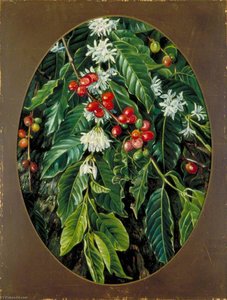
통계 정보Ijen Volcano and Papandayan Volcano, Java
 Oil On Canvas
- WallArt
- Impressionistic Style
 1876
1876 13.0 x 34.0 cm
 Collection of The Herbarium
Experience the breathtaking beauty of Java's volcanoes with Marianne North’s impressionistic oil painting depicting Ijen and Papandayan Volcanoes. Explore vibrant colors & masterful brushstrokes capturing a serene volcanic landscape.
 상세 보기
상세 보기
19세기 식물화가 마리안 노스! 빅토리아 시대의 용감한 여성 예술가로, 전 세계를 탐험하며 800여 점의 생생한 식물화를 남겼습니다. 런던 Kew Gardens에 있는 그녀만의 갤러리는 자연과 과학을 사랑하는 마음이 담긴 걸작들을 감상할 수 있는 특별한 공간입니다.
핸드메이드 유화 복제화
작가가 직접 캔버스에 손으로 그린 유화 작품으로, 원하는 크기와 액자로 맞춤 제작해 드립니다. ( 프린트 판매로 전환 디지털 이미지 판매 채널로 전환)




P118B ₩10

P118H ₩10

P118W ₩10

P438Z ₩10

P508JH ₩12

P508YH ₩12

P805H ₩10

P805Z ₩10

P919BZ ₩10

P919G ₩10

P919XJ ₩10

P959ZH ₩10

P968JZ ₩12

W106C ₩8

W218G ₩10

W218JH ₩8

W218Y ₩10

W307PJ ₩10

W316G ₩10

W316PJ ₩8

W316Y ₩10

W398PJ ₩8

W4111J ₩10

W500HY ₩15

W500JH ₩15

W692G ₩12

W849H ₩8

W940BG ₩15

W953PJ ₩8




표준 규격
맞춤 제작
CM
INCH
작품의 원본 비율을 그대로 유지하는 프리셋 사이즈 중에서 선택해 보세요.
Loading sizes...

가로 너비
높이
액자나 벽면 크기에 맞춰 필요한 가로와 세로 길이를 입력해 주세요. 본 작품은 수작업으로 제작되므로, 요청하신 비율에 따라 작가가 그림의 가장자리를 조금 더 넓게 그리거나 일부를 조정하여 작업할 수 있습니다. 작업 시작 전, 최종 확인을 위해 디지털 목업 이미지를 보내드립니다. 이 페이지에 표시된 이미지는 실제 결과물과 다를 수 있으며, 오직 목업 이미지만이 정확한 결과물을 보여줍니다.
변경 가능한 예시: 얼굴을 고객님의 사진으로 교체, 반려동물 추가(예: 고양이를 강아지로 변경), 배경에 숨겨진 메시지 삽입, 배경 풍경 또는 요소 변경 등
주문 완료 후 TopImpressionists.com 팀에서 상세 안내를 위해 고객님께 이메일을 보내드리며, 미리보기 시안을 함께 제공해 드립니다.
주문 완료 후 TopImpressionists.com 팀에서 상세 안내를 위해 고객님께 이메일을 보내드리며, 미리보기 시안을 함께 제공해 드립니다.


 유리 옵션은 110cm 미만 크기에서만 선택 가능합니다.

Ijen Volcano and Papandayan Volcano, Java
재현 매체
복제본 규격
-


총 결제 금액
₩ 367123
A Victorian Explorer's Ode to Java’s Volcanic Majesty
The canvas breathes with an ethereal stillness—a deliberate choice by Marianne North, a British botanist and artist who defied societal norms of her time to pursue a singular passion: documenting the extraordinary flora of Indonesia. Completed in 1876, “Ijen Volcano and Papandayan Volcano,” now housed in the Raffles Museum Singapore, transcends mere topographical representation; it’s an immersive experience rendered in oil on canvas with an impressionistic brushstroke that captures not just what is seen but how it feels—a testament to North's unwavering dedication to scientific observation blended seamlessly with artistic expression.The Impressionistic Dance of Light and Color
North eschewed meticulous detail, favoring instead a technique rooted in capturing the fleeting effects of light on volcanic landscapes. Loose, expressive brushstrokes dominate the composition, layering hues of azure and ivory to depict the billowing clouds that envelop Ijen Volcano’s peak—a deliberate strategy to convey its misty grandeur. Papandayan Volcano receives darker tones, emphasizing its conical form and grounding the scene in a sense of solidity amidst the ethereal expanse above. This stylistic decision aligns perfectly with the broader artistic currents of Impressionism, where artists prioritized capturing subjective perception over objective accuracy. The artist’s aim wasn't to reproduce reality verbatim but to distill its essence—the drama of volcanic eruptions and the serene beauty of tropical vegetation into a single evocative image.A Pioneer Among Botanists: Contextualizing North’s Vision
Marianne North’s journey to Java was driven by an ardent desire to expand botanical knowledge and, crucially, to advocate for conservation – a remarkably progressive stance for Victorian England. Recognizing the vulnerability of these volcanic ecosystems threatened by deforestation, she undertook arduous expeditions armed with scientific instruments alongside her artistic pursuits. Her meticulous drawings served as invaluable records of plant species previously unknown to Western science, bolstering the burgeoning field of botany and establishing her reputation as one of the era’s foremost explorers. The painting itself embodies this spirit of discovery—a celebration of natural beauty intertwined with a subtle awareness of its fragility.Symbolism Woven into Volcanic Landscapes
Beyond its aesthetic qualities, “Ijen Volcano and Papandayan Volcano” carries symbolic weight. The towering volcanoes represent both destructive force and creative potential – mirroring the cyclical nature of geological processes and reflecting North’s belief in the transformative power of confronting challenges head-on. The pervasive clouds symbolize obscurity and mystery, inviting contemplation about the unseen wonders hidden beneath the surface of our world. Simultaneously, they serve as a backdrop for the vibrant blossoms—a visual reminder of life's resilience amidst adversity.Emotional Resonance: Capturing Volcanic Spirit
Ultimately, North’s masterpiece succeeds in conveying an emotional response to its subject matter – awe and wonder at the raw beauty of Java’s volcanic region. The painting invites viewers into a contemplative space where they can appreciate not only the visual splendor but also the profound connection between art and science. It stands as a poignant reminder that true artistic achievement lies in capturing not just what is seen, but what is felt—a legacy that continues to inspire artists and collectors alike.질의응답
마리애너 노스의 "Ijen Volcano and Papandayan Volcano, Java"의 전반적인 분위기는 어떠한가요?
마리애너 노스의 "Ijen Volcano and Papandayan Volcano, Java"의 전반적인 분위기는 Serene입니다. 이 분위기는 작품의 전반적인 공기를 설명합니다.
"Ijen Volcano and Papandayan Volcano, Java"은(는) 무엇에 관한 작품인가요?
마리애너 노스의 "Ijen Volcano and Papandayan Volcano, Java"에 묘사된 주제: volcanoes, java landscape, impressionism, botanical painting, victorian art, panoramic view, misty peaks.
"Ijen Volcano and Papandayan Volcano, Java"의 작가는 누구이며, 어떤 사조에 속하나요?
마리애너 노스은(는) Impressionistic Style 운동의 흐름 속에서 "Ijen Volcano and Papandayan Volcano, Java"을(를) 제작했습니다.
작가 소개
빅토리아 시대의 개척자, 마리안느 노스: 식물과 예술로 세상을 탐험하다
마리안느 노스는 19세기 빅토리아 시대에 사회적 제약을 넘어 자연을 탐험하고 그 아름다움을 그림으로 기록한 놀라운 여성 예술가이자 과학자였습니다. 1830년 영국 헤이스팅스에서 태어난 그녀는 특권적인 환경 속에서 자랐지만, 음악 교육을 받던 중 목소리가 좋지 않다는 것을 깨닫고 꽃 그림에 몰두하게 됩니다. 어머니의 죽음 이후, 아버지와의 여행을 통해 풍부한 경험을 쌓았으며, 1869년 아버지의 서거 후에는 자신의 예술적 열정을 실현하기 위해 세계 각지로 떠나는 대담한 결정을 내립니다. 그녀의 삶은 단순한 그림 그리는 것을 넘어, 식물학적 관찰과 과학적 기록이라는 중요한 의미를 지니고 있었습니다. 급변하는 세상 속에서 사라져가는 식물들의 다양성을 기록하려는 열망은 그녀를 14년 동안 북미, 남아메리카, 아시아, 오세아니아 등 전 세계 17개국을 여행하게 만들었습니다.자유로운 영혼과 섬세한 붓: 예술적 기법과 탐험의 여정
마리안느 노스의 그림은 빅토리아 시대 자연주의를 대표하는 작품으로 평가받습니다. 그녀는 주로 유화 물감을 사용하여 식물들의 형태뿐만 아니라 주변 환경, 빛과 그림자의 조화를 섬세하게 표현했습니다. 특히, 당시에는 흔하지 않았던 유화 기법을 통해 생생하고 깊이 있는 색감과 질감을 구현해냈으며, 이는 그녀의 작품에 독특한 매력을 더합니다. 그녀는 단순히 식물을 묘사하는 것을 넘어, 각 지역의 풍경과 분위기를 함께 담아내며 그림 속에 관람객을 초대하는 듯한 느낌을 선사합니다. 캐나다의 거대한 레드우드 나무가 파괴되는 것에 대한 안타까움을 표현하거나, 인도 북서부 아즈메르 호수의 아름다운 석양을 담은 작품들은 그녀의 예술적 재능과 더불어 자연에 대한 깊은 애정을 엿볼 수 있게 합니다.식물학적 기록과 예술적 가치의 조화: 케우 정원의 유산
마리안느 노스의 가장 큰 업적 중 하나는 그녀가 남긴 방대한 작품들을 케우 정원에 기증하고, 이를 전시할 특별한 갤러리를 설립했다는 점입니다. 1882년, 그녀는 자신이 수집한 800여 점의 그림과 함께 갤러리 건설 자금을 제공하여 오늘날 ‘마리안느 노스 갤러리’로 알려진 공간을 탄생시켰습니다. 이는 케우 정원에서 여성 예술가가 갖는 영구적인 개인 전시회라는 역사적인 의미를 지니며, 그녀의 예술적 업적과 과학적 기여를 기념하는 중요한 장소입니다. 이 갤러리는 단순한 미술관이 아닌, 식물학 연구와 예술 감상의 조화를 추구하는 공간으로서, 전 세계에서 온 방문객들에게 영감을 불어넣고 있습니다.빅토리아 시대 여성의 새로운 가능성: 사회적 의미와 현대적 영향
마리안느 노스는 빅토리아 시대의 엄격한 사회 규범 속에서 자신의 꿈을 향해 나아간 선구자적인 인물이었습니다. 그녀는 결혼 대신 독립적인 삶을 선택하고, 예술과 과학이라는 두 분야에서 뛰어난 업적을 남기며 여성의 가능성을 확장했습니다. 그녀의 작품은 19세기 급변하는 환경 속에서 사라져가는 식물들을 기록하는 귀중한 역사적 자료로서, 오늘날에도 생물 다양성 보존의 중요성을 일깨워주고 있습니다. 또한, 그녀의 용기와 열정은 현대 사회에서도 많은 여성들에게 영감을 주며, 예술과 과학을 융합하여 세상을 탐구하고 변화시키는 새로운 가능성을 제시합니다.주요 작품
- Foliage, Flowers and Fruit of the Cashew, Tanjore, India: 다채로운 색감으로 카슈미르 식물의 섬세한 디테일을 담아낸 작품
- Elephants, Exotic Fish, and Leaf Insect: 동식물들이 자연 서식지에서 살아 숨쉬는 듯한 생동감을 표현
- Tegoro, Sarawak: 울창한 열대 우림의 풍경을 사실적으로 묘사하여 깊은 인상을 남기는 작품
- On the Way from Tibet near Nagkunda, North India: 히말라야 산맥의 웅장함을 담아낸 로맨틱 리얼리즘 스타일의 작품
- Lake of Ajmere, North West India: 인도 북서부 아즈메르 호수의 아름다운 석양을 서정적으로 표현

마리애너 노스
1830 - 1890 , 영국
작가 정보 요약
- 국적: 영국
- 영향을 준 예술가: ['조셉 달튼 후커']
- 예술 사조: 빅토리아 자연주의
- 전체 이름: 마리안 노스
- 주요 작품:
- 테고로, 사라와크
- 티베트에서 온 길”, 북인도
- 아즈메르 호수, 북서부 인도
- 잎사귀, 꽃과 과일
- 코코넛 야자나무, Tanjore, 인도
- 출생일: 1830년 10월 24일
관련 기사

The Timeless Charm of Oil on Board: Reimagining Texture and Light through the Impressionist Lens
Discover the profound intimacy of oil on panel. Explore how Impressionist masters used rigid supports to capture light, texture, and impasto depth through exquisite, handmade oil reproductions for discerning collectors.

The Soul of Impressionism: Why Oil on Canvas Captures Eternal Light and Timeless Emotion
Discover the enchanting alchemy of Impressionism. Explore how the mastery of oil on canvas, through glazing and impasto, captures eternal light and emotion. Perfect for lovers of Monet and Van Gogh seeking the profound depth of hand-painted fine art.

Capturing the Light: A Journey Through the Ethereal Magic of Impressionism and Post-Impressionism
Embark on a cultural journey through the luminous world of Impressionism. Discover the profound beauty of Monet, Van Gogh, and Cézanne through expert art history insights and explore how to bring these timeless masterpieces into your home with museum-quality hand-painted reproductions.
테마, 스타일, 특징별로 큐레이션된 작품들을 만나보세요.