

 실제 크기로 보기
 보내기
보내기 공유하기
공유하기
 상세 보기
상세 보기 가이드 보기

 이미지 다운로드
 유사 작품 더 보기
 X-레이
X-레이 슬라이드 쇼 보기
 통계 정보
통계 정보Title Unknown
 Contemporary Realism
 1997
1997 44.0 x 34.0 cm
 Contemporary Art Platform
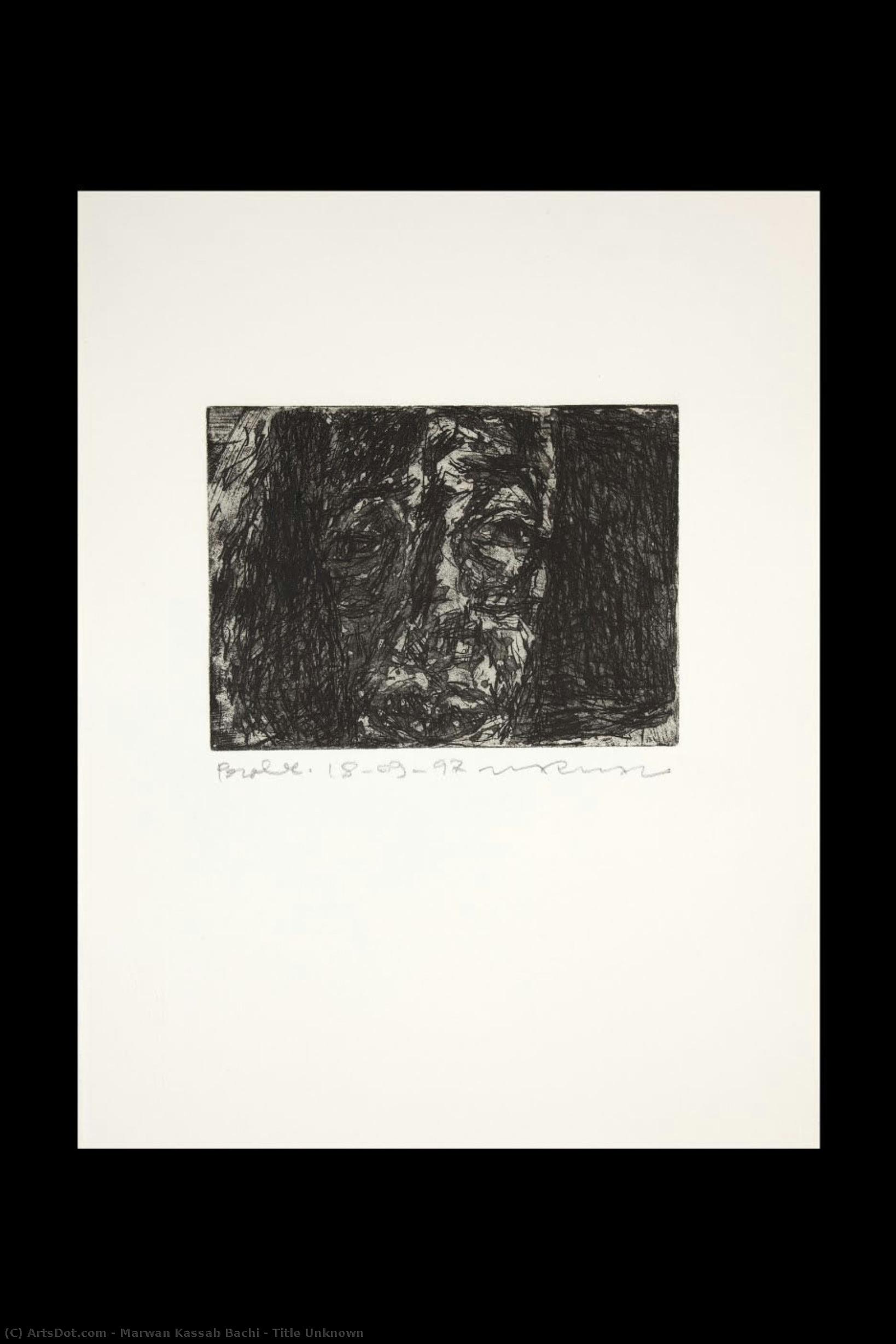
Monochromatic etching by Marwan Kassab-Bachi (1934-2016) depicting an elderly man's face. Expressive, detailed portrait evoking sadness & mortality. Explore this powerful 1997 artwork.
 상세 보기
상세 보기
Explore the vibrant abstract portraits of Marwan Kassab-Bachi, a Syrian painter celebrated worldwide. Discover his unique style & impactful art in public collections.
이 페이지에 표시된 작품은 저작권법의 보호를 받으며, 이에 따라 동일한 복제품을 제작하거나 판매하는 것은 법으로 금지되어 있습니다. 이러한 권리 보호는 다음과 같은 국제 협약에 따라 시행됩니다. 베른 협약 또한 다음에서 명시하는 법률을 포함한 국내법에 의해 보호됩니다. 미국 저작권법 제17조.
저희는 존중을 담은 합법적인 대안으로서, 원작에서 영감을 받은 맞춤형 수제 유화 작품을 제공합니다. 저희의 숙련된 전문 화가들은 원작의 스타일, 분위기, 예술적 정수를 면밀히 연구하여, 그 자체로 독창적인 창작물이면서도 원작과 동일한 감동을 불러일으키는 새로운 작품을 만들어냅니다.
이 방식은 저작권 보호를 받는 예술 작품을 복제하거나 그대로 재현하는 것이 아니기에 저작권 규정을 완벽히 준수합니다. 대신, 이는 창의적인 재해석의 과정을 거칩니다. 즉, 원작에서 영감을 받되 원작과 동일하지 않은 새로운 회화 작품을 의미합니다.
핸드메이드 유화 복제화
작가가 직접 캔버스에 손으로 그린 유화 작품으로, 원하는 크기와 액자로 맞춤 제작해 드립니다. ( 프린트 판매로 전환 디지털 이미지 판매 채널로 전환)




































표준 규격
맞춤 제작
CM
INCH
작품의 원본 비율을 그대로 유지하는 프리셋 사이즈 중에서 선택해 보세요.
Loading sizes...

가로 너비
높이
액자나 벽면 크기에 맞춰 필요한 가로와 세로 길이를 입력해 주세요. 본 작품은 수작업으로 제작되므로, 요청하신 비율에 따라 작가가 그림의 가장자리를 조금 더 넓게 그리거나 일부를 조정하여 작업할 수 있습니다. 작업 시작 전, 최종 확인을 위해 디지털 목업 이미지를 보내드립니다. 이 페이지에 표시된 이미지는 실제 결과물과 다를 수 있으며, 오직 목업 이미지만이 정확한 결과물을 보여줍니다.
변경 가능한 예시: 얼굴을 고객님의 사진으로 교체, 반려동물 추가(예: 고양이를 강아지로 변경), 배경에 숨겨진 메시지 삽입, 배경 풍경 또는 요소 변경 등
주문 완료 후 TopImpressionists.com 팀에서 상세 안내를 위해 고객님께 이메일을 보내드리며, 미리보기 시안을 함께 제공해 드립니다.
주문 완료 후 TopImpressionists.com 팀에서 상세 안내를 위해 고객님께 이메일을 보내드리며, 미리보기 시안을 함께 제공해 드립니다.


 유리 옵션은 110cm 미만 크기에서만 선택 가능합니다.

Title Unknown
재현 매체
복제본 규격
-


총 결제 금액
₩ 364339
Marwan Kassab-Bachi (1934–2016), known as Marwan, was a Syrian artist based in Berlin. He was born in Syria and lived most of his life in Germany. In the late 1950s and early
질의응답
Marwan Kassab Bachi의 "Title Unknown"의 채도는 어느 정도인가요?
Marwan Kassab Bachi의 "Title Unknown"은(는) Muted의 채도로 기록되었습니다.
"Title Unknown"의 저작권 상태가 현재와 같은 이유는 무엇인가요?
"Title Unknown"의 저작권 상태 - 여전히 저작권의 보호를 받고 있습니다 - 는 작가의 2016년 사망에 따라 결정됩니다.
"Title Unknown"에는 어떤 색상들이 사용되었나요?
Marwan Kassab Bachi의 "Title Unknown"은(는) Neutrals 색조의 팔레트를 사용합니다. 이 팔레트는 작품 전체의 색채적 특징을 집약적으로 보여줍니다.
작가 소개
The Luminous Legacy of Marwan Kassab-Bachi
Marwan Kassab-Bachi (1934 – 2016) stands as a singular figure in contemporary Syrian art, recognized globally for his distinctive approach to watercolor painting. Born in the historic city of Damascus during the transformative years following World War II, Kassab-Bachi’s artistic journey was shaped by a profound connection to his Levantine roots and an insatiable curiosity for the wider world. His early formal studies at Damascus University provided a foundational understanding of classical aesthetics, yet it was his subsequent relocation to Berlin, Germany, that would catalyze his evolution into a master of light and abstraction. At the Hochschule der bildenden Künste, he immersed himself in the rigorous academic traditions of Western Europe, a move that allowed him to bridge the gap between Eastern sensibilities and Western modernism.
The essence of Kassab-Bachi’s work lies in its breathtaking ability to evoke emotion through the delicate manipulation of color. His technique was far from traditional; rather than relying on controlled blending, he embraced a wet-on-wet method that allowed pigments to bleed and dance across the paper spontaneously. This approach created luminous, ethereal washes that seemed to capture the very essence of memory and fleeting light. His oeuvre is characterized by a mesmerizing layering of textures, where vibrant oranges, deep yellows, and soft ochres interact to create depth and movement. In many ways, his style serves as a bridge between worlds, subtly incorporating the intricate, layered aesthetics reminiscent of Persian miniatures into the language of modern abstract portraiture.
A Synthesis of Identity and Emotion
Throughout his prolific career, which yielded over 500 significant watercolors, Kassab-Bachi explored the profound complexities of the human condition. His subjects—often appearing as fragmented or ethereal faces—are not mere portraits but explorations of identity, spirituality, and the ephemeral nature of existence. In his more somber works, such as his monochromatic etchings, he delved into themes of mortality and sadness, using sharp, detailed lines to evoke a sense of poignant introspection. Conversely, his abstract watercolors celebrate a more visceral, energetic side of life, where the boundaries between form and background dissolve into pure emotion.
His professional trajectory was marked by significant academic and international recognition, reflecting his status as a leading intellectual in the art world. His appointment as a full professor at Humboldt University in 1980 was a milestone that cemented his influence on subsequent generations of artists. Beyond the classroom, his presence in the global art community allowed him to foster deep connections with fellow intellectuals and creators, ensuring that his unique perspective—a blend of Syrian heritage and German academic rigor—would resonate far beyond the borders of Europe or the Middle East.
The historical significance of Marwan Kassab-Bachi resides in his ability to transform a traditionally delicate medium like watercolor into a powerful vehicle for modern expression. His work remains a testament to the following artistic pillars:
- Cultural Synthesis: The seamless integration of Islamic artistic traditions with Western abstract techniques.
- Technical Mastery: The innovative use of spontaneous, wet-on-wet washes to achieve unparalleled luminosity.
- Emotional Depth: A lifelong dedication to exploring the nuances of human identity and spiritual connection.
- Global Impact: A legacy that continues to inspire through its presence in prestigious public collections worldwide.

Marwan Kassab Bachi
1934 - 2016 , Syrian Arab Republic
작가 정보 요약
- Full Name: Marwan Kassab-Bachi
- Nationality: Syrian
- Date Of Birth: 1934
- Date Of Death: 2016
- Place Of Birth: Damascus, Syrian Arab Republic
- Notable Artworks:
- Untitled
- Title Unknown
- Untitled
- Artistic Movement Or Style: Abstract Portrait
- Artists Or Movements Influenced By This Artist: ['Islamic Art']
관련 기사

The Intricate World of Etching: A Historical Survey of Technique, Aesthetic Evolution, and Enduring Artistic Impact
Explore the rich history of etching, from its origins to modern practice. Discover techniques, key artists like Rembrandt, and insights for collectors. A comprehensive guide by TopImpressionists.

Etching Masters: 10 Legendary Prints That Revolutionized Art | TopImpressionists
Journey through 10 legendary etching masterpieces by Rembrandt, Dürer & Goya. Explore the history of printmaking and discover timeless art for your home. Find museum-quality reproductions at TopImpressionists.com.

Dark Masterpieces: 10 Iconic Paintings Dominated by Black Tones |
Explore 10 iconic paintings dominated by black tones, from Rembrandt’s chiaroscuro to Goya's dark expressions. Discover the stories behind these masterpieces & find museum-quality art reproductions for your home at .

Etching: A Historical Survey of Technique, Aesthetic Qualities & Enduring Artistic Significance
Explore the rich history of etching, from its origins to Rembrandt's masterful innovations. Discover the technique, aesthetic qualities & enduring legacy of this captivating art form. Expert insights for collectors and enthusiasts.

Mars Black Masterpieces: 10 Iconic Paintings & Timeless Art Decor Ideas
Delve into the power of 'Mars Black' with 10 iconic paintings by masters like Rembrandt & Caravaggio. Explore dramatic chiaroscuro, gothic art, and timeless beauty. Find museum-quality reproductions & elevate your home decor on .