


 실제 크기로 보기
 보내기
보내기 공유하기
공유하기
 상세 보기
상세 보기 가이드 보기

 이미지 다운로드
 유사 작품 더 보기
 X-레이
X-레이 슬라이드 쇼 보기
 통계 정보
통계 정보Blue Jar
 Modernism
 1945
1945 49.0 x 59.0 cm
 Government Art Collection
Discover 'Blue Jar' by Mary Potter (1945). A modernist still life featuring muted blues & greens, impasto texture, & subtle forms. Explore this evocative landscape painting.
Explore Mary Potter’s subtle, luminous paintings of landscapes & portraits. OBE-winning artist known for evocative color palettes & capturing fleeting moments.
 상세 보기
상세 보기
이 페이지에 표시된 작품은 저작권법의 보호를 받으며, 이에 따라 동일한 복제품을 제작하거나 판매하는 것은 법으로 금지되어 있습니다. 이러한 권리 보호는 다음과 같은 국제 협약에 따라 시행됩니다. 베른 협약 또한 다음에서 명시하는 법률을 포함한 국내법에 의해 보호됩니다. 미국 저작권법 제17조.
저희는 존중을 담은 합법적인 대안으로서, 원작에서 영감을 받은 맞춤형 수제 유화 작품을 제공합니다. 저희의 숙련된 전문 화가들은 원작의 스타일, 분위기, 예술적 정수를 면밀히 연구하여, 그 자체로 독창적인 창작물이면서도 원작과 동일한 감동을 불러일으키는 새로운 작품을 만들어냅니다.
이 방식은 저작권 보호를 받는 예술 작품을 복제하거나 그대로 재현하는 것이 아니기에 저작권 규정을 완벽히 준수합니다. 대신, 이는 창의적인 재해석의 과정을 거칩니다. 즉, 원작에서 영감을 받되 원작과 동일하지 않은 새로운 회화 작품을 의미합니다.
핸드메이드 유화 복제화
작가가 직접 캔버스에 손으로 그린 유화 작품으로, 원하는 크기와 액자로 맞춤 제작해 드립니다. ( 프린트 판매로 전환 디지털 이미지 판매 채널로 전환)




































표준 규격
맞춤 제작
CM
INCH
작품의 원본 비율을 그대로 유지하는 프리셋 사이즈 중에서 선택해 보세요.
Loading sizes...

가로 너비
높이
액자나 벽면 크기에 맞춰 필요한 가로와 세로 길이를 입력해 주세요. 본 작품은 수작업으로 제작되므로, 요청하신 비율에 따라 작가가 그림의 가장자리를 조금 더 넓게 그리거나 일부를 조정하여 작업할 수 있습니다. 작업 시작 전, 최종 확인을 위해 디지털 목업 이미지를 보내드립니다. 이 페이지에 표시된 이미지는 실제 결과물과 다를 수 있으며, 오직 목업 이미지만이 정확한 결과물을 보여줍니다.
변경 가능한 예시: 얼굴을 고객님의 사진으로 교체, 반려동물 추가(예: 고양이를 강아지로 변경), 배경에 숨겨진 메시지 삽입, 배경 풍경 또는 요소 변경 등
주문 완료 후 TopImpressionists.com 팀에서 상세 안내를 위해 고객님께 이메일을 보내드리며, 미리보기 시안을 함께 제공해 드립니다.
주문 완료 후 TopImpressionists.com 팀에서 상세 안내를 위해 고객님께 이메일을 보내드리며, 미리보기 시안을 함께 제공해 드립니다.


 유리 옵션은 110cm 미만 크기에서만 선택 가능합니다.

Blue Jar
재현 매체
복제본 규격
-


총 결제 금액
₩ 364339


작가 소개
Mary Potter: A Subtle Master of Light and Landscape
Born Marian Anderson Attenborough in Beckenham, Kent, in 1900, Mary Potter’s life was one inextricably linked to the quiet beauty of the Suffolk countryside. Her early years were marked by a delicate health—a consequence of congenital heart and lung issues—which shaped her introspective nature and fostered a deep appreciation for stillness and observation. This sensitivity would become the cornerstone of her distinctive artistic style, characterized by a restrained palette, luminous colors, and an uncanny ability to capture fleeting moments of light and atmosphere.
Potter’s formal training began at the Beckenham School of Art and continued at the Slade School of Fine Art in London. There, she honed her skills under the tutelage of Henry Tonks, winning numerous prizes, including first place for portraiture. This early exposure to rigorous artistic principles laid the groundwork for her later development, but it was a conscious decision to move away from academic painting and embrace a more personal, expressive approach.
Early Career and Bohemian London
Potter’s career unfolded during a period of significant social and artistic change in early 20th-century England. She initially exhibited with groups like the New English Art Club and the London Group, engaging with the burgeoning avant-garde movement while maintaining her own distinct voice. Her early works often featured still lifes, portraits, and landscapes—a diverse range reflecting her broad interests. A pivotal period occurred during her time in Fitzrovia, a vibrant bohemian district of London, where she shared a studio space with fellow artists and experienced the energy of a creative community.
Her marriage to Stephen Potter in 1927 brought a new dimension to her life, providing companionship and mutual artistic support. However, their relationship eventually ended in divorce in 1955, an event that undoubtedly influenced her evolving artistic perspective. The move to Aldeburgh in 1951 proved transformative, offering the tranquility she needed to fully dedicate herself to her art.
The Development of a Unique Style
Potter’s distinctive style emerged gradually over several decades, rooted in a deep understanding of color and light. She eschewed bold brushstrokes and dramatic compositions, instead favoring a subtle, almost understated approach. A key element of her technique involved mixing paint with beeswax—a process that created a unique “chalky luminous quality,” as Kenneth Clark famously described it, resulting in paintings imbued with an ethereal glow. Her palette was consistently restrained, relying on pale, muted tones to evoke the atmosphere and mood of her subjects.
Her subject matter often centered around the landscapes of Suffolk—the rolling hills, windswept coastlines, and quiet meadows that surrounded her home. She also painted portraits, capturing the essence of her subjects with remarkable sensitivity and empathy. Potter’s work is not about literal representation; rather, it's an exploration of perception, memory, and emotion – a distillation of experience into evocative visual forms.
Recognition and Legacy
Despite initially working largely outside the mainstream art world, Mary Potter gained increasing recognition in the 1960s and 70s. Her work was exhibited at prestigious venues like the Tate Gallery and the Serpentine Gallery, and she received numerous awards, including an OBE in 1979 and the John Moores Prize in 1981. Her retrospective exhibitions—held in London and elsewhere—attracted critical acclaim and solidified her place as a significant figure in British art.
Mary Potter’s legacy extends beyond her individual paintings. Her quiet, contemplative approach to art offered a powerful counterpoint to the prevailing trends of the time, demonstrating that beauty could be found in subtlety and restraint. Her work continues to resonate with viewers today, offering a glimpse into a world of serene landscapes and intimate portraits—a testament to the enduring power of observation and artistic sensitivity.
Key Characteristics of Potter’s Art
- Restrained Palette:** Primarily utilizing pale, muted colors – blues, greens, browns, greys - creating a sense of tranquility and atmosphere.
- Luminous Quality:* The beeswax technique imparted a unique glow to her paintings, enhancing their ethereal quality.
- Emphasis on Atmosphere:** Potter prioritized capturing the mood and feeling of a scene over precise detail or realistic representation.
- Subtle Composition:* Her compositions were often simple and understated, allowing the colors and light to take center stage.
- Subject Matter:* Frequently depicted landscapes of Suffolk, as well as intimate portraits reflecting her personal observations.

Mary Potter
1900 - 1981
작가 정보 요약
- Full Name: Mary Potter (painter)
- Nationality: English
- Date Of Birth: 1900
- Date Of Death: 1981
- Place Of Birth: Beckenham, Kent, UK
- Notable Artworks:
- Brighton Beach
- Regent's Park
- Joyce Grenfell
- Artistic Movement Or Style: Subtle color landscapes/portraits
- Artists Who Influenced This Artist: ['Henry Tonks']
- Artists Or Movements Influenced By This Artist: ['Victor Pasmore']
관련 기사

Slate Blue Masterpieces: 10 Iconic Paintings & Timeless Home Decor Ideas
Immerse yourself in the captivating world of slate blue! Explore 10 iconic paintings by Monet, Van Gogh & Renoir. Discover their stories, techniques & find museum-quality art reproductions for your home at .

Azure Visions: Exploring Representations of the Blue Dress in Western Art History
Explore the rich history of the blue dress in Western art! Discover its symbolism, from Renaissance masterpieces to modern interpretations by artists like Martin & Schiele. Uncover cultural meanings and artistic techniques.

Silent Narratives: Exploring the Enduring Appeal of Still Life Painting Across Centuries
Explore the rich history of still life painting with TopImpressionists. Discover Dutch Masters, decode vanitas symbolism & learn about collecting timeless art. Expert insights and museum-quality reproductions.
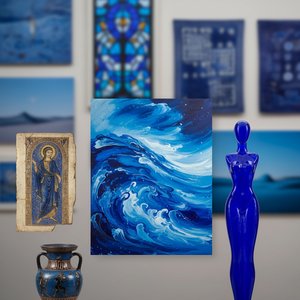
The Allure of Azure: Exploring the Symbolic & Aesthetic Depths of Blue in Art History
Explore the rich history of blue in art! Discover its symbolism, from ancient pigments to modern masterpieces by Kandinsky & Seurat. Uncover the psychological impact and cultural meanings behind this captivating hue.

고전 정물대에서 현대 추상까지: 빌라 공간을 고조시키는 예술적 재현의 미학
고전 정물화부터 현대 추상 미술까지, 빌라 공간을 품격 있게 변화시키는 예술 작품 선택 가이드 및 맞춤 제작 서비스 제공합니다. 아트 컨설팅으로 나만의 개성을 담은 럭셔리 인테리어를 완성하고 투자 가치까지 높여보세요.