


 실제 크기로 보기
 보내기
보내기 공유하기
공유하기
 상세 보기
상세 보기 가이드 보기

 이미지 다운로드
 유사 작품 더 보기
 X-레이
X-레이 슬라이드 쇼 보기
 통계 정보
통계 정보The Parrot Man


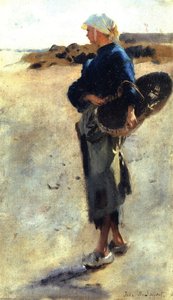
Discover Max Liebermann’s ‘The Parrot Man,’ a vibrant Impressionist oil painting capturing urban life & exotic beauty. Explore rich textures & expressive lines in this unique 19th-century artwork.
 상세 보기
상세 보기
맥스 리버만(1847-1935): 독일 인상주의를 대표하는 화가. 근대 생활 풍경, 섬세한 초상화, 잔잔한 정원 그림으로 유명합니다. 베를린 분리파의 선구자로서 혁신적인 예술을 선보였습니다.
핸드메이드 유화 복제화
작가가 직접 캔버스에 손으로 그린 유화 작품으로, 원하는 크기와 액자로 맞춤 제작해 드립니다. ( 프린트 판매로 전환 디지털 이미지 판매 채널로 전환)




P118B ₩10

P118H ₩10

P118W ₩10

P438Z ₩10

P508JH ₩12

P508YH ₩12

P805H ₩10

P805Z ₩10

P919BZ ₩10

P919G ₩10

P919XJ ₩10

P959ZH ₩10

P968JZ ₩12

W106C ₩8

W218G ₩10

W218JH ₩8

W218Y ₩10

W307PJ ₩10

W316G ₩10

W316PJ ₩8

W316Y ₩10

W398PJ ₩8

W4111J ₩10

W500HY ₩15

W500JH ₩15

W692G ₩12

W849H ₩8

W940BG ₩15

W953PJ ₩8




표준 규격
맞춤 제작
CM
INCH
작품의 원본 비율을 그대로 유지하는 프리셋 사이즈 중에서 선택해 보세요.
Loading sizes...

가로 너비
높이
액자나 벽면 크기에 맞춰 필요한 가로와 세로 길이를 입력해 주세요. 본 작품은 수작업으로 제작되므로, 요청하신 비율에 따라 작가가 그림의 가장자리를 조금 더 넓게 그리거나 일부를 조정하여 작업할 수 있습니다. 작업 시작 전, 최종 확인을 위해 디지털 목업 이미지를 보내드립니다. 이 페이지에 표시된 이미지는 실제 결과물과 다를 수 있으며, 오직 목업 이미지만이 정확한 결과물을 보여줍니다.
변경 가능한 예시: 얼굴을 고객님의 사진으로 교체, 반려동물 추가(예: 고양이를 강아지로 변경), 배경에 숨겨진 메시지 삽입, 배경 풍경 또는 요소 변경 등
주문 완료 후 TopImpressionists.com 팀에서 상세 안내를 위해 고객님께 이메일을 보내드리며, 미리보기 시안을 함께 제공해 드립니다.
주문 완료 후 TopImpressionists.com 팀에서 상세 안내를 위해 고객님께 이메일을 보내드리며, 미리보기 시안을 함께 제공해 드립니다.


 유리 옵션은 110cm 미만 크기에서만 선택 가능합니다.

The Parrot Man
재현 매체
복제본 규격
-


총 결제 금액
₩ 369717
A Vibrant Snapshot of Urban Life
Max Liebermann's “The Parrot Man,” painted in 1902, isn’t merely a depiction of a street vendor; it’s a carefully constructed tableau brimming with the energy and complexities of early 20th-century Berlin. The painting captures a scene unfolding on what appears to be a bustling promenade or park – a vibrant hub of commerce and casual encounters. Liebermann masterfully uses loose, impressionistic brushstrokes to convey not just the visual appearance but also the atmosphere of the moment: a sense of lively movement, dappled light, and the slightly chaotic beauty of everyday life. The composition is dominated by the central figure of the vendor, his posture radiating confidence as he displays his exotic wares – a collection of brilliantly colored parrots perched on his arms. The blurred background figures, rendered with quick, expressive lines, suggest a continuous flow of activity, drawing the viewer into this intimate slice of urban existence.
Impressionistic Technique and Layered Texture
Liebermann’s technique is a fascinating blend of realism and impressionism. He meticulously observes the details – the folds in the vendor's clothing, the texture of the pavement, the iridescent sheen of the parrot feathers – yet he deliberately avoids photographic precision. Instead, he employs thick impasto brushwork, particularly noticeable on the birds themselves, creating a rich, tactile surface that invites close inspection. The use of color is equally deliberate; blues and greens dominate, reflecting the natural environment, while bursts of red from the parrots inject energy and visual interest. The flattened perspective, characteristic of Impressionism, contributes to the painting’s immediacy, pulling the viewer directly into the scene. Liebermann's skillful manipulation of light and shadow adds depth and a sense of realism despite the overall loose style.
Symbolic Layers: Commerce, Exoticism, and Berlin Identity
“The Parrot Man” is more than just a charming street scene; it’s laden with symbolic meaning. The vendor himself represents commerce and the entrepreneurial spirit of Berlin at the turn of the century – a city rapidly modernizing and embracing new economic opportunities. The parrots, imported from distant lands, embody exoticism and the allure of the “new world,” reflecting Berlin's position as a gateway to Europe and beyond. However, there’s also an element of melancholy in the scene. The vendor’s focused gaze suggests a solitary profession, hinting at the isolation that can accompany commerce. Furthermore, the painting subtly captures the spirit of Berlin itself – a city teeming with life, diversity, and a unique blend of tradition and modernity.
A Legacy of Observation: Liebermann's Artistic Vision
Max Liebermann’s “The Parrot Man” exemplifies his distinctive approach to art. Born in 1847, he initially pursued a more conventional path but ultimately found his true calling in painting. Influenced by Impressionism and Realism, Liebermann developed a unique style characterized by keen observation, masterful technique, and a deep understanding of human psychology. His ability to capture fleeting moments of beauty and emotion resonated with audiences and cemented his place as one of Germany’s most important artists. Reproductions of “The Parrot Man” offer a captivating glimpse into this world, allowing viewers to appreciate Liebermann's artistic vision and the vibrant spirit of early 20th-century Berlin.
질의응답
"The Parrot Man"의 저작권 상태가 현재와 같은 이유는 무엇인가요?
막스 리버만의 "The Parrot Man"은(는) 퍼블릭 도메인 - 저작권 보호 기간이 만료되었습니다 상태입니다. 저작권 보호 기간은 작가 사후를 기준으로 산정되며, 막스 리버만은(는) 1935년에 작고하였습니다.
막스 리버만의 "The Parrot Man"에 관한 통계 정보는 어디에서 확인할 수 있나요?
막스 리버만의 "The Parrot Man"의 통계 페이지에서는 해당 작품의 월간 방문 수, 작가의 가장 많이 조회된 작품과의 비교, 그리고 방문자 유입 경로 등 공개 방문 통계를 제공합니다.
막스 리버만의 "The Parrot Man"은 어디에서 다운로드할 수 있나요?
막스 리버만의 "The Parrot Man"은(는) 디지털 이미지로 고해상도 디지털 이미지 다운로드할 수 있으며, 작품의 다운로드 페이지에서 다운로드 가능합니다.
관련 작품들


작가 소개
빛에 잠긴 삶: 막스 리버만 세계
1847년 베를린의 부유한 유대인 가정에서 태어난 막스 리버만의 길은 독일을 대표하는 인상주의 화가가 되는 것이 예정된 것은 아니었다. 처음에는 베를린 대학에서 법학과 철학이라는 존경받는 직업으로 향했지만, 그의 진정한 소명은 법정보다는 캔버스에서 훨씬 더 강력하게 울려 퍼졌다. 그러나 이 초기 지적 탐구의 시기는 의심할 여지 없이 그의 관찰력 있는 눈과 주변 세계를 묘사하는 사려 깊은 접근 방식을 형성했다. 바이마르, 파리, 네덜란드에서의 연구는 진정으로 그의 예술적 열정을 불붙였고, 다양한 스타일을 접하고 섬세한 빛과 색 감각으로 순간의 정수를 포착하는 데 전념한 경력의 기반을 마련했다. 그는 그가 본 것을 단순히 묘사한 것이 아니라, 경험의 본질을 캔버스에 옮긴 것이다. 리버만의 초기 작품은 종종 노동 계층의 일상생활 장면을 자연주의적으로 표현했는데, 이는 당시 유행하던 낭만적인 미학에 도전하는 것이었다. 이러한 그림들은 사회적 논평을 의도한 것이 아니라 인간 존재에 대한 정직한 묘사였으며, 존엄성과 존경심으로 가득 차 있었다.독일 맥락에서 인상주의 수용
리버만의 예술적 발전은 프랑스 사실주의와 특히 떠오르는 인상주의 운동에 대한 노출의 영향을 크게 받았다. 에두아르 마네의 정신 – 그의 대담함, 학문적 관습 거부, 현대 생활에 대한 집중 – 은 리버만에게 깊이 공명했다. 그러나 그는 파리에서 본 것을 단순히 복제하지 않았고, 대신 이러한 원칙을 독일적인 감각에 맞게 적용하여 자신만의 독특한 인상주의를 창조했다. 그의 팔레트는 더 밝아졌고, 붓놀림은 더 느슨하고 자발적이 되었으며, 주제는 부르주아 계층의 여가 생활과 반나제 호수 근처 정원의 평화로운 아름다움으로 옮겨갔다. 특히 이 정원은 그의 경력 전반에 걸쳐 반복되는 모티프가 되어 급변하는 외부 세계로부터의 안식처를 제공하고 빛과 분위기를 탐구하기 위한 끊임없는 영감을 제공했다. 그는 꽃과 잎을 그리는 데 그치지 않았고, 여름의 느낌, 햇볕의 따뜻함, 나뭇잎 사이로 부드럽게 불어오는 바람을 포착했다. 풍경화 외에도 리버만은 매우 인기 있는 초상화가로서 명성을 얻었으며 알베르트 아인슈타인과 파울 폰 히덴부르크와 같은 인물의 상징적인 묘사를 포함하여 200개 이상의 의뢰 작품을 완성했다. 이러한 초상화는 단순한 외모가 아니라 미묘한 몸짓과 표정을 통해 피사체의 내면 생활을 드러내는 통찰력 있는 성격 연구였다.예술적 자유의 옹호자
리버만은 단순히 그림을 그리는 데 만족하지 않았고, 적극적으로 예술 혁신과 독립을 옹호했다. 전통적인 예술 기관이 가하는 질식 제약을 인식한 그는 1898년 베를린 분리파를 이끌며 10년 이상 이 아방가르드 그룹의 주도적인 역할을 했다. 분리파는 기존 규범에 도전하고 학문적 전통의 틀에서 벗어나 활동하는 예술가들을 위한 플랫폼을 제공했다. 이러한 예술적 자유에 대한 그의 노력은 자신의 작품을 넘어 확장되었고, 리버만은 예술가가 정치적 또는 이데올로기적 압력으로부터 간섭 없이 자신의 비전을 탐구할 수 있어야 한다고 열정적으로 믿었다. 1909년 프로이센 아카데미 오브 아트에 선출되고 1920년에 학장으로 취임한 것은 독일 미술계에서 그의 영향력이 커지고 있음을 증명했지만, 이러한 지위는 또한 반유대주의와 민족주의의 고조하는 조류와 마주하게 되었다.변화하는 세계의 그림자: 유산과 회복력
나치즘의 부상은 리버만의 후기 세월에 어두운 그림자를 드리웠다. 차별에 대한 그의 원칙적인 입장은 1933년 프로이센 아카데미에서 사임하게 되었는데, 이는 자신의 가치를 타협하기를 거부하는 용감한 행동이었다. 박해의 강도가 높아짐에도 불구하고 그는 계속해서 그림을 그렸고, 예술에서 위안과 목적을 찾았다. 그는 1935년 베를린에서 세상을 떠났으며 풍부한 회화, 판화 유산과 예술적 자유에 대한 깊은 헌신을 남겼다. 그의 아내 마르타는 홀로코스트의 비극적인 증거인 강제 이주를 피하기 위해 1943년에 자살했다. 전쟁 후 수년간 리버만의 작품은 다소 간과되었지만, 최근 몇 년 동안 독일 인상주의와 현대 미술사에 대한 그의 기여에 대한 새로운 감상이 나타났다. 오늘날 그는 뛰어난 화가일 뿐만 아니라 예술적 표현의 용감한 옹호자이자 폭정에 대한 상징으로 기억되고 있다. 그의 그림은 빛나는 아름다움, 통찰력 있는 관찰과 지속적인 인간성으로 계속해서 관객을 사로잡고 있다.주요 업적 및 지속적인 영향
- "사원 안의 열두 살 예수": 이 초기 작품은 전통적인 종교적 아이콘에 도전하는 반유대인적인 예수를 독특하게 묘사하여 상당한 논쟁을 불러일으켰다.
- 베를린 분리파 리더십: 이 아방가르드 운동을 주도한 그의 중요한 역할은 예술적 규범에 도전하고 독일 현대 미술의 길을 열었다.
- 프로이센 아카데미 오브 아트 학장: 나치즘의 부상으로 인해 타협되었지만 그의 예술적 장점에 대한 중요한 인정이었다.
- 탁월한 초상화: 200개 이상의 의뢰 초상화를 통해 피사체의 본질을 포착하는 그의 능력은 그를 선도적인 초상화가로 확고히 했다.
- 독일 인상주의에 대한 영향: 리버만은 인상주의 원칙을 독특한 독일 맥락으로 성공적으로 번역하여 여러 세대의 예술가들에게 영감을 주었다.

막스 리버만
1847 - 1935 , 독일
작가 정보 요약
- Artistic Movement Or Style: 인상주의
- Artists Or Movements Influenced By This Artist: ['독일 인상주의']
- Artists Who Influenced This Artist: ['에두아르 마네']
- Date Of Birth: 1847년 7월 20일
- Date Of Death: 1935년 2월 8일
- Full Name: 맥스 리버만
- Nationality: 독일인
- Notable Artworks (List Of Titles):
- 12세 예수...
- 네덜란드 농가...
- 닥터 린데 초상
- Place Of Birth (City And Country): 베를린, 독일
관련 기사

The Timeless Beauty of Oil on Panel: Capturing Light and Texture through the Impressionist Lens
Discover the exquisite depth of oil on panel. Explore how Impressionist masters captured light and texture through tactile brushwork, and learn how to bring these museum-quality, hand-painted masterpieces into your home with expert curation.

Capturing the Soul: The Ethereal Magic and Timeless Technique of Impressionist Portraiture
Discover the ethereal beauty of Impressionist portraiture. Explore how masters like Monet and Renoir captured light and soul through brushwork, and learn how to bring this timeless magic into your home with exquisite, hand-painted oil reproductions from TopImpressionists.com.

The Soul of Impressionism: Why Oil on Canvas Captures Eternal Light and Timeless Emotion
Discover the enchanting alchemy of Impressionism. Explore how the mastery of oil on canvas, through glazing and impasto, captures eternal light and emotion. Perfect for lovers of Monet and Van Gogh seeking the profound depth of hand-painted fine art.

The Timeless Charm of Oil on Board: Reimagining Texture and Light through the Impressionist Lens
Discover the profound intimacy of oil on panel. Explore how Impressionist masters used rigid supports to capture light, texture, and impasto depth through exquisite, handmade oil reproductions for discerning collectors.

From Fleeting Moments to Eternal Masterpieces: Transform Your Memories into Bespoke Impressionist Oil Paintings
Elevate your cherished memories with TopImpressionists.com. We transform your photos into exquisite, hand-painted Impressionist oil masterpieces. Experience the timeless texture of real brushstrokes and professional artistry to create a lasting legacy for your home.
