
 미리보기
미리보기
 공유하기
공유하기 공유하기
공유하기
 상세 정보
상세 정보 가이드 보기

 다운로드
다운로드
 유사 작품 더 보기
 X-레이
X-레이 슬라이드 쇼 보기
 질의응답
질의응답 통계 정보
통계 정보The Siblings


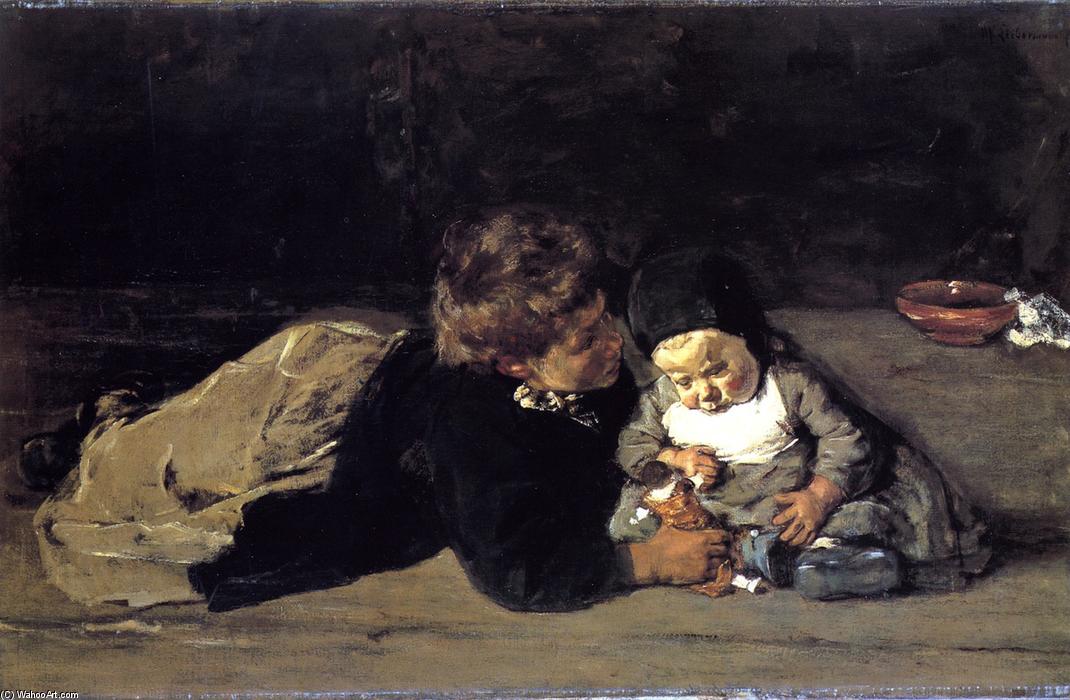
This painting by Max Liebermann exemplifies Impressionistic style, characterized by loose brushwork and tonal variations to depict a heartwarming scene of human interaction. Employing wet-on-wet technique on canvas, Liebermann skillfully captures fleeting moments with sensitivity to light and color, reflecting themes of caregiving and connection within an understated interior setting.
 더 보기
더 보기
맥스 리버만(1847-1935): 독일 인상주의를 대표하는 화가. 근대 생활 풍경, 섬세한 초상화, 잔잔한 정원 그림으로 유명합니다. 베를린 분리파의 선구자로서 혁신적인 예술을 선보였습니다.
지클레 / 아트 프린트
빠른 제작과 다양한 마감 옵션을 제공하는 박물관 수준의 지클레이 및 캔버스 프린트. ( 수작업 채색 복제본 주문하기 디지털 이미지로 전환)




P118B ₩10

P118H ₩10

P118W ₩10

P438Z ₩10

P508JH ₩12

P508YH ₩12

P805H ₩10

P805Z ₩10

P919BZ ₩10

P919G ₩10

P919XJ ₩10

P959ZH ₩10

P968JZ ₩12

W106C ₩8

W218G ₩10

W218JH ₩8

W218Y ₩10

W307PJ ₩10

W316G ₩10

W316PJ ₩8

W316Y ₩10

W398PJ ₩8

W4111J ₩10

W500HY ₩15

W500JH ₩15

W692G ₩12

W849H ₩8

W940BG ₩15

W953PJ ₩8




표준 규격
맞춤형
CM
INCH
작품의 원본 비율을 그대로 유지하는 프리셋 사이즈 중에서 선택해 보세요.
Loading sizes...

가로 너비
세로 길이
액자나 벽면 크기에 맞춰 필요한 가로와 세로 길이를 입력해 주세요. 프린트는 원본 이미지보다 크게 제작할 수 없으며 오직 자르는 것만 가능하므로, 비율이 다른 사이즈를 선택할 경우 이미지의 일부가 잘려 나갈 수 있습니다. 인쇄 작업에 들어가기 전, 최종 확인을 위해 디지털 목업을 보내드립니다. 이 페이지에 표시된 이미지는 실제 잘리는 영역을 나타내지 않으며, 오직 목업을 통해서만 정확한 확인이 가능합니다.


 유리 옵션은 110cm 미만 크기에서만 선택 가능합니다.

The Siblings
지클레 / 아트 프린트
복제본 크기
-


최종 결제 금액
₩ 93908
A Tender Encounter in Monochrome
In the quietude of Max Liebermann’s 1876 masterpiece, “The Siblings,” time seems to suspend its forward march, allowing a singular moment of human connection to breathe. This monochrome triumph is far more than a mere study of figures; it is a profound exploration of familial tenderness and the soft, unspoken language of intimacy. As the eye meets the canvas, one is immediately drawn into a world of diffused light and tonal harmony, where a man and a child are captured in a fleeting tableau of closeness. The painting transcends its simple subject matter to become a distillation of emotion, rendered with a precision that speaks to the soul as much as it does to the intellect.
The composition is masterfully understated, centering the viewer's attention on the intimate core of the foreground. Here, the figures occupy a simple ground plane, their proximity creating a palpable sense of warmth and protection. While subtle, indistinct individuals linger in the background, they serve only as contextual anchors, ensuring that the primary focus remains fixed upon the bond between the two central subjects. This arrangement creates an inviting depth, drawing collectors and admirers alike into a private, domestic sanctuary that feels both timeless and deeply personal.
Impressionistic Light and Fluid Technique
Liebermann, a leading proponent of Impressionism in Germany, utilizes a technique that prioritizes the ephemeral quality of light over the rigid constraints of photographic realism. Through the skillful application of a wet-on-wet technique, the artist allows colors and tones to blend seamlessly across the canvas, generating a soft, hazy luminescence. This method imbues the scene with an ethereal glow, as if the very air within the room is heavy with memory and quietude. The brushstrokes are loose and organic, characteristic of the Impressionist movement, favoring the suggestion of texture and form over meticulous, sharp-edged detail.
The monochromatic palette—a sophisticated arrangement of blacks, whites, and varying shades of gray—plays a crucial role in the painting's atmospheric success. By stripping away the distraction of color, Liebermann directs our attention to the subtle interplay of shadow and light. This tonal mastery creates a sense of depth and volume, where the soft edges of clothing and facial features emerge from the shadows with a gentle, rhythmic grace. For the interior designer, such a piece offers a sophisticated anchor for a room, providing a neutral yet emotionally resonant focal point that complements both classical and contemporary decor.
A Legacy of Emotion and Connection
To understand “The Siblings,” one must consider the historical currents flowing through Liebermann’s early career. Painted during his formative years in Paris and Weimar, the work reflects the burgeoning fascination with capturing everyday life and subjective experience that defined the era. Much like his contemporaries Monet and Renoir, Liebermann sought to move beyond academic stiffness, embracing a style that mirrored the shifting moods of the natural and domestic worlds. This piece stands as a testament to his ability to translate the essence of human experience onto canvas.
Beyond its technical brilliance, the painting carries a profound symbolic weight. The focus on the relationship between the man and the child evokes universal themes of caregiving, protection, and the enduring strength of familial bonds. There is a palpable sense of nostalgia and quiet contemplation within the frame, making it an ideal acquisition for those who seek art that offers more than mere decoration. It is a piece that invites long periods of reflection, offering a window into a moment of shared attention that remains as poignant today as it was in 1876.
질의응답
"The Siblings"에서 매체와 움직임은 어떻게 결합되어 있나요?
막스 리버만의 "The Siblings"은 Oil On Canvas 기법과 Impressionistic Style 양식이 결합된 작품입니다. 기법과 양식은 작품의 제작 방식과 예술적 스타일을 나타냅니다.
"The Siblings"은 어떤 기법으로 제작되었나요?
막스 리버만의 "The Siblings"의 재료는 Oil On Canvas입니다. 복제화는 이 기법 특유의 질감을 그대로 구현하는 것을 목표로 합니다.
막스 리버만의 "The Siblings"에서 예술 사조와 시대상은 어떻게 맞닿아 있나요?
막스 리버만의 "The Siblings"은(는) Impressionistic Style 사조와 19세기 미술 시대의 만남을 보여줍니다.


작가 정보
빛에 잠긴 삶: 막스 리버만 세계
1847년 베를린의 부유한 유대인 가정에서 태어난 막스 리버만의 길은 독일을 대표하는 인상주의 화가가 되는 것이 예정된 것은 아니었다. 처음에는 베를린 대학에서 법학과 철학이라는 존경받는 직업으로 향했지만, 그의 진정한 소명은 법정보다는 캔버스에서 훨씬 더 강력하게 울려 퍼졌다. 그러나 이 초기 지적 탐구의 시기는 의심할 여지 없이 그의 관찰력 있는 눈과 주변 세계를 묘사하는 사려 깊은 접근 방식을 형성했다. 바이마르, 파리, 네덜란드에서의 연구는 진정으로 그의 예술적 열정을 불붙였고, 다양한 스타일을 접하고 섬세한 빛과 색 감각으로 순간의 정수를 포착하는 데 전념한 경력의 기반을 마련했다. 그는 그가 본 것을 단순히 묘사한 것이 아니라, 경험의 본질을 캔버스에 옮긴 것이다. 리버만의 초기 작품은 종종 노동 계층의 일상생활 장면을 자연주의적으로 표현했는데, 이는 당시 유행하던 낭만적인 미학에 도전하는 것이었다. 이러한 그림들은 사회적 논평을 의도한 것이 아니라 인간 존재에 대한 정직한 묘사였으며, 존엄성과 존경심으로 가득 차 있었다.독일 맥락에서 인상주의 수용
리버만의 예술적 발전은 프랑스 사실주의와 특히 떠오르는 인상주의 운동에 대한 노출의 영향을 크게 받았다. 에두아르 마네의 정신 – 그의 대담함, 학문적 관습 거부, 현대 생활에 대한 집중 – 은 리버만에게 깊이 공명했다. 그러나 그는 파리에서 본 것을 단순히 복제하지 않았고, 대신 이러한 원칙을 독일적인 감각에 맞게 적용하여 자신만의 독특한 인상주의를 창조했다. 그의 팔레트는 더 밝아졌고, 붓놀림은 더 느슨하고 자발적이 되었으며, 주제는 부르주아 계층의 여가 생활과 반나제 호수 근처 정원의 평화로운 아름다움으로 옮겨갔다. 특히 이 정원은 그의 경력 전반에 걸쳐 반복되는 모티프가 되어 급변하는 외부 세계로부터의 안식처를 제공하고 빛과 분위기를 탐구하기 위한 끊임없는 영감을 제공했다. 그는 꽃과 잎을 그리는 데 그치지 않았고, 여름의 느낌, 햇볕의 따뜻함, 나뭇잎 사이로 부드럽게 불어오는 바람을 포착했다. 풍경화 외에도 리버만은 매우 인기 있는 초상화가로서 명성을 얻었으며 알베르트 아인슈타인과 파울 폰 히덴부르크와 같은 인물의 상징적인 묘사를 포함하여 200개 이상의 의뢰 작품을 완성했다. 이러한 초상화는 단순한 외모가 아니라 미묘한 몸짓과 표정을 통해 피사체의 내면 생활을 드러내는 통찰력 있는 성격 연구였다.예술적 자유의 옹호자
리버만은 단순히 그림을 그리는 데 만족하지 않았고, 적극적으로 예술 혁신과 독립을 옹호했다. 전통적인 예술 기관이 가하는 질식 제약을 인식한 그는 1898년 베를린 분리파를 이끌며 10년 이상 이 아방가르드 그룹의 주도적인 역할을 했다. 분리파는 기존 규범에 도전하고 학문적 전통의 틀에서 벗어나 활동하는 예술가들을 위한 플랫폼을 제공했다. 이러한 예술적 자유에 대한 그의 노력은 자신의 작품을 넘어 확장되었고, 리버만은 예술가가 정치적 또는 이데올로기적 압력으로부터 간섭 없이 자신의 비전을 탐구할 수 있어야 한다고 열정적으로 믿었다. 1909년 프로이센 아카데미 오브 아트에 선출되고 1920년에 학장으로 취임한 것은 독일 미술계에서 그의 영향력이 커지고 있음을 증명했지만, 이러한 지위는 또한 반유대주의와 민족주의의 고조하는 조류와 마주하게 되었다.변화하는 세계의 그림자: 유산과 회복력
나치즘의 부상은 리버만의 후기 세월에 어두운 그림자를 드리웠다. 차별에 대한 그의 원칙적인 입장은 1933년 프로이센 아카데미에서 사임하게 되었는데, 이는 자신의 가치를 타협하기를 거부하는 용감한 행동이었다. 박해의 강도가 높아짐에도 불구하고 그는 계속해서 그림을 그렸고, 예술에서 위안과 목적을 찾았다. 그는 1935년 베를린에서 세상을 떠났으며 풍부한 회화, 판화 유산과 예술적 자유에 대한 깊은 헌신을 남겼다. 그의 아내 마르타는 홀로코스트의 비극적인 증거인 강제 이주를 피하기 위해 1943년에 자살했다. 전쟁 후 수년간 리버만의 작품은 다소 간과되었지만, 최근 몇 년 동안 독일 인상주의와 현대 미술사에 대한 그의 기여에 대한 새로운 감상이 나타났다. 오늘날 그는 뛰어난 화가일 뿐만 아니라 예술적 표현의 용감한 옹호자이자 폭정에 대한 상징으로 기억되고 있다. 그의 그림은 빛나는 아름다움, 통찰력 있는 관찰과 지속적인 인간성으로 계속해서 관객을 사로잡고 있다.주요 업적 및 지속적인 영향
- "사원 안의 열두 살 예수": 이 초기 작품은 전통적인 종교적 아이콘에 도전하는 반유대인적인 예수를 독특하게 묘사하여 상당한 논쟁을 불러일으켰다.
- 베를린 분리파 리더십: 이 아방가르드 운동을 주도한 그의 중요한 역할은 예술적 규범에 도전하고 독일 현대 미술의 길을 열었다.
- 프로이센 아카데미 오브 아트 학장: 나치즘의 부상으로 인해 타협되었지만 그의 예술적 장점에 대한 중요한 인정이었다.
- 탁월한 초상화: 200개 이상의 의뢰 초상화를 통해 피사체의 본질을 포착하는 그의 능력은 그를 선도적인 초상화가로 확고히 했다.
- 독일 인상주의에 대한 영향: 리버만은 인상주의 원칙을 독특한 독일 맥락으로 성공적으로 번역하여 여러 세대의 예술가들에게 영감을 주었다.

막스 리버만
1847 - 1935 , 독일
작가 정보 요약
- Artistic Movement Or Style: 인상주의
- Artists Or Movements Influenced By This Artist: ['독일 인상주의']
- Artists Who Influenced This Artist: ['에두아르 마네']
- Date Of Birth: 1847년 7월 20일
- Date Of Death: 1935년 2월 8일
- Full Name: 맥스 리버만
- Nationality: 독일인
- Notable Artworks (List Of Titles):
- 12세 예수...
- 네덜란드 농가...
- 닥터 린데 초상
- Place Of Birth (City And Country): 베를린, 독일
관련 콘텐츠

Capturing the Light: A Journey Through the Ethereal Magic of Impressionism and Post-Impressionism
Embark on a cultural journey through the luminous world of Impressionism. Discover the profound beauty of Monet, Van Gogh, and Cézanne through expert art history insights and explore how to bring these timeless masterpieces into your home with museum-quality hand-painted reproductions.
