
 PrintWallArt
 188519th Century
 36.0 x 52.0 cm
 Science Museum
빠른 제작과 다양한 마감 옵션을 제공하는 박물관 품질의 지클레이 또는 캔버스 프린트. ( 손으로 그린 그림 구매 이미지 구매)





























작품의 원본 비율을 유지하는 미리 설정된 크기 중에서 선택하세요.

특정 프레임이나 공간에 맞춰 직접 치수를 입력하실 수 있습니다. 선택하신 사이즈가 원본 이미지의 비율과 일치하지 않을 경우, 작품을 크롭(자르기)하거나 이미지를 대칭 또는 단색 채우기로 확장하여 제작합니다. 제작 시작 전, 최종 확인을 위해 디지털 목업이 전송됩니다.
화면상의 미리보기는 실제 크롭이나 확장 상태를 반영하지 않으므로, 최종 구도는 오직 목업을 통해서만 정확하게 확인하실 수 있습니다.
맞춤 사이즈 제작도 가능하지만, 원본 비율을 유지하기 위해서는 사전 정의된 목록에서 치수를 선택하시는 것을 권장합니다.

One Sided Free Trade
복제본 크기
Vincent van Gogh, a name synonymous with passionate brushstrokes and intensely personal expression, remains one of the most recognizable figures in art history. Born in 1853 in Groot-Zundert, Netherlands, his life was tragically short – just 37 years – yet during that brief period, he produced over 2,100 artworks: paintings, drawings, and prints that continue to captivate audiences worldwide. More than simply a painter, Van Gogh was an innovator who fundamentally altered the course of modern art, paving the way for Expressionism and influencing countless artists who followed.
Van Gogh’s early life offered little indication of his future artistic destiny. He was the eldest son of a Dutch Reformed minister and a bookseller's daughter, and initially pursued various paths – working as an art dealer, a missionary in Belgium, and even a teacher. These experiences, marked by periods of loneliness and disillusionment, profoundly shaped his worldview and fueled a deep-seated desire to connect with humanity through his work. He was keenly aware of the changing artistic landscape, particularly influenced by the Impressionists and the burgeoning Symbolist movement, though he ultimately forged his own unique style, characterized by its bold colors, dynamic brushwork, and emotional intensity.
Van Gogh’s formal art training was limited. He began drawing as a child and diligently studied drawing manuals, particularly Charles Bargue's *Exercises au fusain*, seeking to master the fundamentals of perspective and figure drawing. His early works, primarily created in Nuenen (1883-1885), focused on depicting peasant life – scenes of farmers, laborers, and their simple routines. These paintings, rendered in muted tones, reflect his desire to capture the dignity and hardship of rural existence. The *Potato Eaters* (1885), a monumental work showcasing a peasant family sharing a meager meal, exemplifies this early period, demonstrating Van Gogh’s commitment to portraying the lives of ordinary people with empathy and realism.
A pivotal moment in his artistic development occurred when he moved to Paris in 1886. Here, he encountered the vibrant world of Impressionism and Post-Impressionism, encountering artists like Monet, Renoir, and Degas. He was particularly drawn to the Impressionists’ use of light and color, but quickly surpassed them in his expressive intensity. His palette became brighter, his brushstrokes more energetic, and his subject matter expanded beyond rural scenes to include portraits, landscapes, and still lifes. The influence of Japanese prints – characterized by their bold outlines, flat planes of color, and unconventional perspectives – is also evident in his work during this period.
In 1888, Van Gogh moved to Arles in the south of France, seeking to establish an artist’s colony. He envisioned a community where artists could live and work together, fostering creativity and mutual support. This period marked a surge of intense artistic productivity – he painted over 30 canvases in just a few months, producing masterpieces such as *Sunflowers*, *Bedroom in Arles*, and *The Yellow House*. These works are characterized by their vibrant colors, dynamic compositions, and emotional depth. The use of complementary color combinations—particularly yellows and blues—created a heightened sense of visual excitement.
However, Van Gogh’s time in Arles was also marked by increasing mental instability. He struggled with bouts of depression and anxiety, exacerbated by his isolation and the failure to attract fellow artists to his colony. He famously cut off part of his ear during a psychotic episode, leading to hospitalization and a period of confinement at the Saint-Paul-de-Mausole asylum in Saint-Rémy.
Despite his mental health struggles, Van Gogh continued to paint prolifically during his time at Saint-Rémy and later in Auvers-sur-Oise. His *Starry Night* (1889), painted from the window of his asylum room, is arguably his most iconic work – a swirling, dreamlike depiction of the night sky filled with emotion and spiritual yearning. His final paintings, including *Wheatfield with Crows* (1890), are characterized by their somber colors, turbulent brushwork, and sense of impending doom.
Van Gogh died on July 29, 1890, at the age of 37, from a gunshot wound inflicted by himself. During his lifetime, he sold only one painting (*The Red Vineyard*), but after his death, his work gained increasing recognition and acclaim. Today, Vincent van Gogh is celebrated as a visionary artist whose innovative techniques and deeply personal vision continue to resonate with audiences around the world. His legacy lies not just in his stunning artworks, but also in his unwavering commitment to expressing his inner world through color and form – a testament to the power of art to reveal the complexities of human experience.

1853 - 1902 , United Kingdom

Explore the history of mountain painting! Discover Romantic masterpieces & key artists like Dahl & Calame. Learn about the Sublime & Picturesque aesthetics and find your perfect artwork at TopImpressionists.

폴 세잔의 시대를 초월하는 명작 25점을 만나보세요. 인상주의를 넘어 후기 인상주의를 개척한 화가의 예술 세계와 정물화, 풍경화 속 숨겨진 이야기를 TopImpressionists에서 감상하세요. 고품질 아트 프린트와 캔버스 액자로 공간에 예술을 더해보세요! 지금 바로 컬렉션을 탐험하세요.
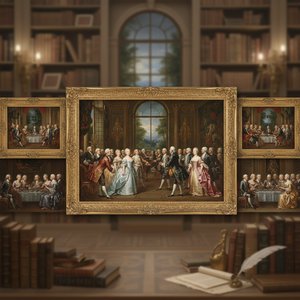
Explore the timeless elegance of formal gatherings through the lens of art history. Discover how master painters captured social grace, status, and atmosphere in iconic group portraits and ballroom scenes.

호안 미로의 최고 걸작 25선을 만나보세요. 꿈과 상상의 세계를 담은 추상 미술 작품들의 탄생 비화와 예술적 의미를 탐구합니다. TopImpressionists.com에서 고품질 미로 그림을 감상하고, 공간에 특별한 색채를 더해보세요! 지금 바로 컬렉션을 확인하세요.

빛과 색채의 마법사 르누아르! 인상주의 대표 화가 르누아르의 명작 25선을 만나보세요. '물랭 드 라 갈레트', '우산 속의 소녀들' 등 시대를 초월하는 아름다움을 TopImpressionists에서 감상하고, 특별한 공간을 완성하세요. 지금 바로 온라인 컬렉션을 탐험하세요!


최신 미술 뉴스, 특별 혜택 및 인테리어 아이디어를 가장 먼저 만나보세요.
프로젝트에 대해 알려주시면 저희 미술 전문가들이 맞춤형 아트 제안 3가지를 전달해 드립니다.
당신만을 위한 맞춤형 옵션 3가지를 무료로 추천해 드립니다!


 미리보기
미리보기
 공유하기
공유하기 공유하기
공유하기
 상세 정보
상세 정보

 다운로드
다운로드
 유사 작품
유사 작품 X-레이
X-레이 슬라이드 쇼
 더 보기
더 보기









 유리 옵션은 110cm 미만 크기에서만 선택 가능합니다.


