
원하는 크기와 액자로 주문 제작되는, 작가들이 직접 캔버스에 손으로 그린 유화 작품입니다. ( 프린트 주문으로 전환 이미지로 전환)
작품의 원본 비율을 유지하는 미리 설정된 크기 중에서 선택하세요.

특정 프레임이나 공간에 맞도록 직접 크기를 입력할 수 있습니다. 선택하신 크기가 원본 이미지의 비율과 일치하지 않는 경우, 작품을 자르거나 추가적인 손으로 그린 요소를 사용하여 그림을 확장합니다. 제작 시작 전 승인을 위해 디지털 목업을 보내드립니다.
화면 미리 보기는 실제 자르기 또는 확장을 반영하지 않습니다. 최종 구성은 목업을 통해서만 정확하게 확인하실 수 있습니다.
맞춤 크기 제작도 가능하지만, 원본 비율을 유지하기 위해 사전 정의된 목록에서 크기를 선택하시는 것을 권장합니다.

Spring (Flora)
복제본 크기
In the vibrant, tumultuous heart of 17th-century Rome, a painter emerged who could capture not just the grandeur of history, but the raw, kinetic energy of movement itself. Michelangelo Cerquozzi, affectionately remembered by history as Michelangelo delle Battaglie—Michelangelo of the Battles—was a virtuoso of the Italian Baroque. Born in 1602 to a prosperous Roman family, Cerquozzi was destined for a life steeped in the cultural richness of his city. His journey into the world of fine art began at the tender age of twelve, when he entered the studio of Giuseppe Cesari. This apprenticeship placed him within a lineage of profound importance, as Cesari’s studio was the very same space where the legendary Caravaggio had once honed his transformative skills. It was in this atmosphere of dramatic light and shadow that Cerquozzi first learned to observe the world.
As his talent matured, Cerquozzi became a pivotal figure in a unique artistic movement known as the Bamboccianti. This group of painters, largely comprised of Flemish and Dutch artists active in Rome, sought to move away from the idealized, lofty subjects of high Renaissance art in favor of something far more intimate and grounded. They turned their brushes toward the everyday lives of the lower classes—the peasants, travelers, and laborers inhabiting the Roman countryside. Cerquiozzi embraced this spirit with remarkable fervor. His genre scenes are masterclasses in narrative intimacy, capturing the unvarnished reality of street life and rural landscapes with a delicate touch that feels both spontaneous and deeply observed.
The brilliance of Cerquozzi’s technique lies in his ability to synthesize the meticulous detail of Northern European realism with the dramatic flair of the Italian Baroque. His early years were marked by a profound connection to the Dutch and Flemish masters residing in Rome. He lived and worked alongside figures such as Jacob de Hase, a specialist in battle scenes, and the Dutch painters Paulus Bor and Jan Harmansz. These associations were not merely social; they were transformative. From these masters, he inherited a fascination with texture, light, and the precise rendering of small-scale details that define the "cabinet painting" style—works designed for the private contemplation of sophisticated collectors.
This influence is most evident in his celebrated battle paintings. Unlike the sweeping, epic compositions of history painters who focused on political triumphs, Cerquozzi’s battles often feel visceral and immediate. He captures the dust rising from galloping hooves, the glint of steel, and the chaotic, swirling motion of cavalry engagements. Yet, even within these scenes of conflict, there is a profound sense of composition and balance. His ability to manage large numbers of figures without losing the clarity of the central action earned him his enduring nickname and solidified his reputation as one of the premier battle painters of the first half of the 17th century.
Beyond the smoke of the battlefield, Cerquozzi demonstrated a remarkable breadth of skill that allowed him to navigate various genres with ease. He was an accomplished still-life painter, often imitating the exquisite precision of Pietro Paolo Bonzi. In these works, he displayed a sensitive command over the depiction of organic forms, textures, and the play of light on inanimate objects, bringing a sense of quiet dignity to the simplest of subjects. His repertoire also extended into the realm of mythological and religious works, though it was in the depiction of the "lowly" and the "everyday" where his soul truly resided.
Cerquozzi’s professional standing was formally recognized when he joined the Accademia di San Luca in 1634. While he remained a member for nearly two decades, he famously resisted the strict academic decorum that demanded a certain level of idealized nobility in art. He preferred the grit and truth of the Roman streets. This rebellious spirit—a commitment to realism over artifice—is what makes his work so enduringly modern. When he passed away in 1660, he left behind a legacy that bridged the gap between the high drama of the Baroque and the intimate realism of Northern genre painting, ensuring that the humble scenes of Roman life would be immortalized through his brush.

1602 - 1660 , Italy

Elevate your interiors with impactful statement walls! Expert guide on scaling artwork for perfect proportions & design harmony. Custom solutions & free consultations at TopImpressionists.

Explore the captivating history of mythological narratives in Western art! From ancient Greece to modern masterpieces, discover iconic artworks & symbolism. Expert analysis and high-quality reproductions at TopImpressionists.

Journey through art history with our guide to 10 legendary oil on canvas masterpieces! Explore iconic works by Van Gogh, Monet & Rembrandt. Find museum-quality reproductions and elevate your home decor at . Discover all masterpieces online.
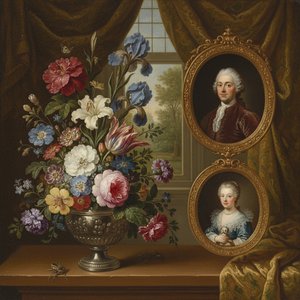
Discover the exquisite detail of Jan van Kessel the Elder's Baroque floral still lifes & captivating miniatures. Explore his artistic legacy, scientific precision, and lasting influence on 17th-century Flemish painting.

라파엘의 걸작 25선을 만나보세요. 르네상스 시대 예술가의 섬세한 기법과 영혼을 담은 명화들을 감상하고, 아테네 학당, 천사의 학교 등 대표 작품의 숨겨진 이야기를 TopImpressionists에서 확인하세요. 고급 아트 프린트로 공간에 우아함을 더해보세요! 지금 바로 컬렉션을 탐험하세요.


최신 미술 뉴스, 특별 혜택 및 인테리어 아이디어를 가장 먼저 만나보세요.
프로젝트에 대해 알려주시면 저희 미술 전문가들이 맞춤형 아트 제안 3가지를 전달해 드립니다.
당신만을 위한 맞춤형 옵션 3가지를 무료로 추천해 드립니다!


 미리보기
미리보기
 공유하기
공유하기 공유하기
공유하기
 상세 정보
상세 정보

 다운로드
다운로드
 유사 작품
유사 작품 X-레이
X-레이 슬라이드 쇼
 더 보기
더 보기






































 유리 옵션은 110cm 미만 크기에서만 선택 가능합니다.


