


 실제 크기로 보기
 보내기
보내기 공유하기
공유하기
 상세 보기
상세 보기 가이드 보기

 이미지 다운로드
 유사 작품 더 보기
 X-레이
X-레이 슬라이드 쇼 보기
 통계 정보
통계 정보Mimosas
 Oil On Canvas
- WallArt
- Post-Impressionism
 1952
1952- 19th Century
 100.0 x 65.0 cm
 Marubeni Gallery
 상세 보기
상세 보기
핸드메이드 유화 복제화
작가가 직접 캔버스에 손으로 그린 유화 작품으로, 원하는 크기와 액자로 맞춤 제작해 드립니다. ( 프린트 판매로 전환 디지털 이미지 판매 채널로 전환)




P118B $10

P118H $10

P118W $10

P438Z $10

P508JH $12

P508YH $12

P805H $10

P805Z $10

P919BZ $10

P919G $10

P919XJ $10

P959ZH $10

P968JZ $12

W106C $8

W218G $10

W218JH $8

W218Y $10

W307PJ $10

W316G $10

W316PJ $8

W316Y $10

W398PJ $8

W4111J $10

W500HY $15

W500JH $15

W692G $12

W849H $8

W940BG $15

W953PJ $8




표준 규격
맞춤 제작
CM
INCH
작품의 원본 비율을 그대로 유지하는 프리셋 사이즈 중에서 선택해 보세요.
Loading sizes...

가로 너비
높이
특정 프레임이나 공간에 맞춰 원하는 크기를 직접 입력하실 수 있습니다. 선택하신 크기가 원본 이미지의 비율과 일치하지 않을 경우, 작품을 자르거나 추가적인 수작업 요소를 더해 그림을 확장하여 제작합니다. 제작 시작 전, 최종 확인을 위해 디지털 목업을 보내드립니다.
화면상의 미리 보기는 실제 크롭(자르기)이나 확장된 상태를 완벽히 반영하지 않을 수 있습니다. 최종 구도는 오직 목업을 통해서만 정확하게 확인하실 수 있습니다.
맞춤 크기 제작도 가능하지만, 원본의 비율을 그대로 유지하기 위해서는 미리 정의된 목록에서 크기를 선택하시는 것을 권장합니다.
변경 가능한 예시: 얼굴을 고객님의 사진으로 교체, 반려동물 추가(예: 고양이를 강아지로 변경), 배경에 숨겨진 메시지 삽입, 배경 풍경 또는 요소 변경 등
주문 완료 후 TopImpressionists.com 팀에서 상세 안내를 위해 고객님께 이메일을 보내드리며, 미리보기 시안을 함께 제공해 드립니다.
주문 완료 후 TopImpressionists.com 팀에서 상세 안내를 위해 고객님께 이메일을 보내드리며, 미리보기 시안을 함께 제공해 드립니다.


 유리 옵션은 110cm 미만 크기에서만 선택 가능합니다.

Mimosas
재현 매체
복제본 규격
-


총 결제 금액
$ 269
A Symphony of Yellow: Moïse Kisling’s ‘Mimosas’
Moïse Kisling's “Mimosas,” painted in 1952, is more than just a still life; it’s a vibrant testament to the artist’s enduring fascination with beauty and abundance. This captivating work, measuring 100 x 65 cm, offers a glimpse into the world of a man who navigated the tumultuous shifts of the 20th century – a “king of Montparnasse” as he was affectionately known – and whose artistic legacy continues to resonate today. The painting’s immediate impact lies in its audacious use of color: a riot of golden mimosa blossoms erupting from a striking blue vase, all set against a deep, almost velvety green backdrop. This isn't merely representation; it’s an orchestrated emotional experience.
The Artist and His Vision
Born in Kraków in 1891, Moïse Kisling’s journey was one of constant evolution. Initially influenced by the rigorous training he received at the Krakow Academy of Fine Arts, his relocation to Paris in 1910 marked a pivotal moment. Immersed in the epicenter of modern art – Montmartre – he encountered and absorbed the revolutionary ideas of figures like Cézanne, Picasso, and Black, ultimately forging his own distinctive style. Kisling’s life was inextricably linked to the artistic currents of his time, from teaching in American schools during World War II to finally achieving recognition with a successful exhibition in France in 1951. His preference for evocative depictions of flowers, particularly the mimosa, reveals a deep appreciation for the transient beauty of nature and a desire to capture its essence with remarkable intensity.
Technique and Composition: A Painterly Masterpiece
- Realism Infused with Impressionism: Kisling’s technique skillfully blends realism with impressionistic touches. The meticulous rendering of the flower petals – their softness, slight blur, and rich texture – speaks to a dedication to detail, while the loose brushstrokes create an overall sense of movement and vibrancy.
- Vertical Emphasis & Volume: The composition is dominated by a strong vertical format, drawing the viewer’s eye upwards into the dense mass of blossoms. This deliberate choice amplifies the feeling of abundance and creates a powerful visual impact.
- Layered Depth: Through careful manipulation of tone and shadow, Kisling achieves a remarkable sense of three-dimensionality. The reflective red surface adds another layer to this spatial illusion, enhancing the realism of the scene.
Symbolism and Emotional Resonance
“Mimosas” transcends a simple botanical study; it’s laden with symbolic meaning. The profusion of yellow mimosa flowers – Kisling's favored subject – evokes notions of fertility, prosperity, and the fleeting beauty of life. The blue vase acts as a focal point, intensifying the impact of the golden blooms. The overall effect is one of warmth, vibrancy, and an almost intoxicating sense of joy. This painting embodies the spirit of its creator—a man who embraced life with passion and translated that enthusiasm into his art.


작가 소개
과도기를 거쳐 빚어진 삶
1891년 오스트리아-헝가리 제국 안에서 맥동하던 도시 크라쿠프에서 모이즈 키슬링(Moïse Kisling)으로 태어난 그는, 그 삶 자체가 20세기 초의 격동적인 물결을 고스란히 반영한 예술가였습니다. 어린 시절부터 그의 내면에는 분명한 예술적 감수성이 피어났고, 이는 그를 겨우 열다섯 살에 크라쿠프 미술 아카데미에 입학하게 했습니다. 요제프 판케비치(Józef Pankiewicz)의 지도를 받으며 그는 현대 미술의 중심지로 자리매김하던 파리에서 영감을 얻으라는 격려를 받습니다. 1910년, 키슬링은 이 결정적인 여정을 시작하며 몽마르트르의 활기 넘치는 예술 공동체에 자신을 몰입시켰고, 동료 망명 예술가들과 아방가르드 사상가들과 깊은 인연을 맺었습니다. 이 초기 시기는 그에게 매우 형성적이었습니다. 수많은 양식들을 접하며 그의 고유한 목소리가 은근하게 다듬어졌기 때문입니다. 그는 단순히 영향을 흡수하는 것에 머무르지 않았습니다. 평생에 걸친 종합과 혁신의 과정을 시작하고 있었던 것입니다. 몽마르트르의 보헤미안적인 분위기는 공유 스튜디오와 열정적인 토론들이 어우러져 젊은 예술가의 발전하는 재능을 위한 이상적인 용광로가 되어주었습니다.스타일의 형성: 입체주의와 표현주의 사이에서
키슬링의 예술적 성장은 어떤 단일 학파에 대한 경직된 고수라기보다는, 다양한 영향들을 유연하게 탐구해 나가는 과정으로 정의됩니다. 초기 작품들에서는 폴 세잔(Paul Cézanne)의 구조적인 혁신과 앙드레 드랭(André Derain)의 대담한 색채감이 엿보였으며, 앙드레 살몬 초상화(1912) 같은 작품에서 미묘한 입체주의적 경향이 나타나기도 했습니다. 하지만 제1차 세계대전의 발발은 전환점이 되었습니다. 유럽이 혼돈에 빠지면서, 키슬링의 스타일은 표현주의 쪽으로 중대한 변화를 겪게 됩니다. 이는 더 대담해진 색채, 더욱 감정적인 필치, 그리고 정서적 강렬함에 대한 높아진 집중도로 나타났습니다. 그는 정확한 드로잉 능력과 생동감 넘치는 팔레트를 균형 있게 맞추는 독특한 접근 방식을 개발했으며, 종종 인체를 명료함과 우아함으로 묘사했습니다. 둥근 형태의 우아함은 그의 작품의 특징이 되었는데, 이는 종종 아메데오 모딜리아니(Amedeo Modigliani)의 영향을 반영하는 듯했습니다. 길게 늘인 목선, 아몬드 모양의 눈, 섬세하게 표현된 입술 등은 키슬링 자신의 초상화 속에서도 울림을 주었습니다. 그럼에도 불구하고 그는 이러한 특징들에 자신만의 감수성을 불어넣었고, 빛과 그림자의 조작에 능하여 놀라운 깊이와 뉘앙스로 인물들을 생명력 있게 만드는 정교한 대비를 만들어냈습니다. 이 시기는 단순히 새로운 스타일을 채택하는 것에 관한 것이 아니었습니다. 그것은 전쟁 중인 세상의 불안과 불확실성을 전달할 수 있는 시각적 언어를 찾는 과정이었습니다.전쟁과 유배 속에서의 인정
전쟁으로 인한 혼란에도 불구하고, 키슬링은 파리 미술계 내에서 꾸준히 인정을 받았습니다. 1919년 드뤼에(Galerie Druet)에서의 전시회는 그의 진화하는 스타일을 선보이며 비평가들의 주목을 받았던 중요한 순간이었습니다. 그의 재능은 수집가들의 눈을 피하지 못했습니다. 1923년, 알베르 바른스(Albert Barnes)는 그의 그림 여러 점을 소장하며 그 작품의 질과 예술적 가치를 입증했습니다. 키슬링은 파리 미술계의 중심 인물이 되었으며, 작가, 시인, 화가, 조각가 등 다양한 창작자들을 한자리에 모으는 주간 만찬을 열어 지적인 교류와 협업의 분위기를 조성하는 것으로 알려졌습니다. 제1차 세계대전 중 프랑스 해외 군단에서의 복무는 그에게 큰 의미를 남겼으며, 소미 전투에서 입은 부상과 1915년 이후 얻게 된 프랑스 시민권은 그가 받아들인 조국에 대한 헌신을 강조했습니다. 이 경험은 그에게 깊은 영향을 미쳐, 그의 개인적인 정체성뿐만 아니라 예술 작품 속에 담긴 감정적 깊이까지 형성하는 데 기여했습니다. 다가오는 제2차 세계대전의 그림자는 키슬링을 유배지로 내몰았습니다. 그는 미국으로 이주하여 뉴욕과 워싱턴 D.C.에서 작품을 전시하며 유럽 전역에서 고조되는 박해를 피해 피신했습니다. 이 떠남의 시기는 분명 힘들었지만, 그에게 새로운 청중과 연결될 기회를 주었고 그의 예술적 비전을 더욱 다듬을 수 있게 해주었습니다.지속되는 유산: 파리 학파 그리고 그 너머
전쟁이 끝난 후, 키슬링은 1946년 프랑스로 돌아와 사나리쉬르메르(Sanary-sur-Mer)에 정착하여 1953년 사망할 때까지 계속 그림을 그렸습니다. 현재 사나리쉬르메르의 한 거리는 그의 이름을 따고 있으며, 이는 지역 사회와 더 넓은 미술계에 대한 그의 기여를 영원히 기리는 증거입니다. 키슬링의 작품은 후기 인상주의와 초기 표현주의의 정신을 구현하며, 현대 미술을 집단적으로 재편한 다양한 예술가들의 집합체인 파리 학파의 활기찬 태피스트리에 크게 기여했습니다. 정교함과 감정적 강렬함이 독특하게 결합된 그의 혁신적인 스타일은 오늘날까지도 예술가들에게 영감을 주고 관객들을 매료시키고 있습니다. 1953년에 그려진 빨간 소파 위의 큰 누드 조상은 그의 성숙한 스타일의 강력한 예시로, 생생한 색채와 표현적인 필치가 돋보이는 감각적인 걸작입니다. 제네바에 위치한 프티 팔레 미술관(Musée du Petit Palais)에는 그의 작품 중 가장 큰 컬렉션이 소장되어 있으며, 이는 그의 변치 않는 유산과 예술적 비전을 증명합니다. 모이즈 키슬링의 그림들은 예술사에서 중요한 시기를 강력하게 상기시켜 주며, 그가 용기, 감수성, 그리고 자신의 장인 정신에 대한 흔들림 없는 헌신으로 헤쳐나갔던 세상의 아름다움과 불안을 동시에 반영하고 있습니다. 다양한 영향들을 독특하게 개인적인 스타일로 종합해내는 그의 능력은 그를 현대 미술의 정전(canon) 속 중요한 인물로 자리매김하게 합니다.주요 특징 및 영향
- 영향: 폴 세잔, 앙드레 드랭, 아메데오 모딜리아니, 마르크 샤갈.
- 스타일: 후기 인상주의와 표현주의의 혼합으로, 생생한 색채, 표현적인 필치, 그리고 인체에 대한 초점이 특징입니다.
- 주제: 초상화(종종 모딜리아니를 연상시키는 길쭉한 형상을 특징으로 함), 누드, 풍경.
- 기법: 깊이와 뉘앙스를 창조하는 빛과 그림자의 능숙한 조작; 생동감 넘치는 팔레트와 균형 잡힌 드로잉.
- 역사적 배경: 두 차례의 세계 대전과 반유대주의의 부상을 포함하여 20세기 초반의 정치적, 사회적 격변에 깊이 영향을 받은 삶.

모이즈 키슬링
1891 - 1953
작가 정보 요약
- Artistic Movement Or Style: 후기 인상주의, 표현주의
- Artists Or Movements Influenced By This Artist: ['파리 학파']
- Artists Who Influenced This Artist:
- 폴 세잔
- 앙드레 드랭
- 아메데오 모딜리아니
- Date Of Birth: 1891
- Date Of Death: 1953
- Full Name: 모이즈 키슬링
- Nationality: 폴란드-프랑스
- Notable Artworks:
- 조산의 대형 누드
- 앙드레 살몬 초상화
- 르네 키슬링 부인
- Place Of Birth: 크라쿠프, 크로아티아
관련 기사

Blossoms of Time: A Historical & Aesthetic Exploration of Floral Painting Across Cultures
Explore the rich history of floral painting! Discover symbolism, techniques & masterpieces from Van Huysum to O'Keeffe. Expert insights for art lovers & collectors at TopImpressionists.

Silent Narratives: Exploring the Enduring Appeal of Still Life Painting Across Centuries
Explore the rich history of still life painting with TopImpressionists. Discover Dutch Masters, decode vanitas symbolism & learn about collecting timeless art. Expert insights and museum-quality reproductions.

Blossoming Symbolism: A Historical Journey Through Flowers in Western Painting
Explore the rich history of flower symbolism in Western painting! Discover how artists from the Renaissance to Modernism used blossoms to convey meaning, emotion & beauty. Learn about iconic artworks and movements.

Blossoms of Time: A Historical Journey Through Flower Painting
Explore the captivating history of flower painting! Discover Dutch masters, symbolic meanings, & botanical art. Expert insights & high-quality reproductions at TopImpressionists.
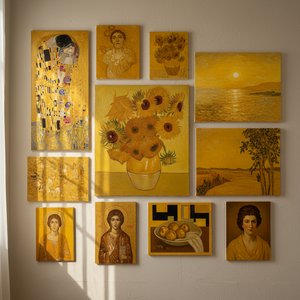
Golden Hues: Top 10 Paintings Dominated by Yellow Ochre |
Explore 10 iconic paintings bathed in golden yellow ochre! From Van Gogh's sunflowers to Monet’s haystacks, discover the stories behind these masterpieces. Find museum-quality art reproductions & elevate your home decor on .