

 미리보기
미리보기
 공유하기
공유하기 공유하기
공유하기
 상세 정보
상세 정보 가이드 보기

 다운로드
다운로드
 유사 작품 더 보기
 X-레이
X-레이 슬라이드 쇼 보기
 질의응답
질의응답 통계 정보
통계 정보Spring in Kaunas


 더 보기
더 보기
이 페이지에 표시된 작품은 저작권법의 보호를 받으며, 이에 따라 동일한 복제품을 제작하거나 판매하는 것은 법으로 금지되어 있습니다. 이러한 권리 보호는 다음과 같은 국제 협약에 따라 시행됩니다. 베른 협약 또한 다음에서 명시하는 법률을 포함한 국내법에 의해 보호됩니다. 미국 저작권법 제17조.
이 방식은 저작권 보호를 받는 예술 작품을 복제하거나 그대로 재현하는 것이 아니기에 저작권 규정을 완벽히 준수합니다. 대신, 이는 창의적인 재해석의 과정을 거칩니다. 즉, 원작에서 영감을 받되 원작과 동일하지 않은 새로운 회화 작품을 의미합니다.
지클레 / 아트 프린트
빠른 제작과 다양한 마감 옵션을 제공하는 박물관 수준의 지클레이 및 캔버스 프린트. ( 수작업 채색 복제본 주문하기 디지털 이미지로 전환)




P118B ₩10

P118H ₩10

P118W ₩10

P438Z ₩10

P508JH ₩12

P508YH ₩12

P805H ₩10

P805Z ₩10

P919BZ ₩10

P919G ₩10

P919XJ ₩10

P959ZH ₩10

P968JZ ₩12

W106C ₩8

W218G ₩10

W218JH ₩8

W218Y ₩10

W307PJ ₩10

W316G ₩10

W316PJ ₩8

W316Y ₩10

W398PJ ₩8

W4111J ₩10

W500HY ₩15

W500JH ₩15

W692G ₩12

W849H ₩8

W940BG ₩15

W953PJ ₩8




표준 규격
맞춤형
CM
INCH
작품의 원본 비율을 그대로 유지하는 프리셋 사이즈 중에서 선택해 보세요.
Loading sizes...

가로 너비
세로 길이
액자나 벽면 크기에 맞춰 필요한 가로와 세로 길이를 입력해 주세요. 프린트는 원본 이미지보다 크게 제작할 수 없으며 오직 자르는 것만 가능하므로, 비율이 다른 사이즈를 선택할 경우 이미지의 일부가 잘려 나갈 수 있습니다. 인쇄 작업에 들어가기 전, 최종 확인을 위해 디지털 목업을 보내드립니다. 이 페이지에 표시된 이미지는 실제 잘리는 영역을 나타내지 않으며, 오직 목업을 통해서만 정확한 확인이 가능합니다.


 유리 옵션은 110cm 미만 크기에서만 선택 가능합니다.

Spring in Kaunas
지클레 / 아트 프린트
복제본 크기
-


최종 결제 금액
₩ 94003
The Gentle Awakening: Capturing Spring's Spirit in Kaunas
Mstislav Dobuzhinsky’s 1923 watercolor, "Spring in Kaunas," is not merely a depiction of a season; it is an immersion into a moment of profound, quiet renewal. The painting washes over the viewer with the soft luminescence of early spring, transforming a specific landscape into a universal meditation on hope. One can almost feel the gentle warmth filtering through the air, carrying the scent of blossoming life. Dobuzhinsky masterfully captures this ephemeral quality, allowing the lush greens and delicate pastels to speak volumes about nature’s persistent cycle of rebirth.
A Symphony in Watercolor: Technique and Atmosphere
The technical brilliance of this piece lies in its handling of watercolor itself. The artist employs loose brushstrokes and translucent washes, techniques that lend the entire scene a breathy, atmospheric quality. There is no harsh edge; instead, colors bleed into one another—the blues meeting the pinks, the yellows mingling with various shades of green foliage. This blending creates depth while maintaining an ethereal softness. Compositionally, the eye is guided by the foreground fence, which acts as a subtle leading line drawing us deeper into the middle ground where trees and bushes undulate in organic forms. The background anchors this natural exuberance with the steadfast presence of Orthodox church spires, providing both scale and a counterpoint to the wildness of the flora.
Symbolism Woven into the Landscape
Beyond its immediate beauty, "Spring in Kaunas" resonates with deep symbolic weight. The blossoming flowers are the quintessential emblems of renewal, marking the passage from dormancy to vibrant life. Juxtaposed against this natural efflorescence is the prominent religious architecture. This pairing suggests a harmonious dialogue between the spiritual and the earthly—faith rooted deeply within the cycle of nature itself. It speaks to a tradition that finds its deepest meaning not in permanence, but in the continuous promise of return, the promise embodied by spring.
Echoes of Place and Time
While Dobuzhinsky is often known for his haunting explorations of urban decay, this work offers a beautiful counter-narrative. Painted in 1923, it captures a specific moment in the life of Kaunas, blending the enduring spirit of its culture with the vibrant energy of nature reclaiming space. The overall emotional impact is one of profound serenity mixed with an undeniable sense of anticipation—the hopeful sigh that accompanies the first truly warm day after a long winter. For collectors and designers alike, this piece offers not just decoration, but a palpable infusion of tranquil, optimistic energy into any space.
질의응답
므스티슬라프 도부진스키의 "Spring in Kaunas" 복제본은 어떤 용도로 활용하기에 좋나요?
므스티슬라프 도부진스키의 "Spring in Kaunas"은(는) Focal(으)로 활용하시기에 가장 좋습니다. 그 외에도 다양한 용도로 사용하실 수 있습니다.
므스티슬라프 도부진스키의 "Spring in Kaunas"에서 예술 사조와 시대상은 어떻게 맞닿아 있나요?
므스티슬라프 도부진스키의 "Spring in Kaunas"은(는) 작가의 근대 미술 시대 중 Impressionism 사조에 속합니다.
므스티슬라프 도부진스키의 "Spring in Kaunas"은(는) 누구에게 선물하기 좋을까요?
Spring in Kaunas은(는) Focal을(를) 위해 Seasonal Gift님께 드리는 선물로 추천합니다.
유사한 작품들


작가 정보
므스티슬라프 도부진스키: 도시의 퇴락을 그려낸 선구자
동시대의 다른 예술가들에 비해 이름이 덜 알려졌을지도 모르지만, 므스티슬라프 발레리아노비치 도부진스키(1875-1957)는 러시아 미술사에서 여전히 깊은 울림을 주는 인물로 남아 있습니다. 노브고로드에서 태어나 리투아니아의 혈통을 이어받은 그는 도시의 퇴락, 산업화된 풍경, 그리고 현대성이 초래한 심리적 고통을 잊히지 않는 필치로 탐구하며 자신만의 독창적인 예술적 목소리를 구축했습니다. 그의 작품은 단순히 무너져가는 건물들을 묘다하는 것에 그치지 않습니다. 그것은 급변하는 도시의 그림자 속에서 발견되는 고립과 불안, 그리고 기이한 아름다움을 향한 본능적인 표현입니다. 도부진스키가 남긴 유산은 20세기 러시아의 평범한 현실을 강력한 표현력을 지닌 이미지로 변모시켜, 오늘날의 관람객들에게도 여전히 깊은 공명을 일으키는 능력에 있습니다.초기 생애와 예술적 훈련
도부진스키의 예술적 여정은 소박하게 시작되었습니다. 그는 노브고로드의 화가 진흥 협회 드로잉 학교를 다닌 후, 상트페테르부르크 제국 대학교에서 법학을 공부하는 동시에 개인적인 미술 공부를 병행했습니다. 이러한 이중적인 탐구는 훗날 그의 작품 세계를 지탱할 끊임없는 지적 호기심을 반영합니다. 결정적으로 그는 뮌헨의 안톤 아즈베와 오스트리아-헝가리의 시몬 홀로시 같은 저명한 유럽 예술가들로부터 정식 교육을 받으며, 유겐트슈틸(아르누보)과 기타 동시대 미술 운동의 태동하는 영향력을 접하게 되었습니다. 이러한 초기 경험은 그의 기술적 숙련도를 형성했을 뿐만 아니라, 훗날 그만의 독특한 양식으로 통합될 더 넓은 예술적 어휘를 선사했습니다. 특히 18세기를 우아함과 세련미의 황금기로 이상화했던 '미르 이스쿠스스트바(Mir iskusstva)' 서클과의 교류는 사회 내 예술의 역할에 대한 그의 관점을 형성하는 데 중추적인 역할을 했으며, 이는 결국 그가 현대 도시 생활의 어두운 측면을 직시하게 만드는 계기가 되었습니다.표현주의적 도시 풍경 도부진스키의 예술적 돌파구는 급격한 산업화와 사회적 격변기 속에서 러시아의 도시 풍경을 탐구하면서 찾아왔습니다. 그는 동시대 많은 이들이 선호하던 이상적인 재현 방식을 거부하고, 공장과 공동주택, 그리고 북적이는 거리의 거친 현실에 집중했습니다. 그의 팔레트는 주로 침울한 갈색, 회색, 그리고 깊은 붉은색이 지배했는데, 이러한 색채들은 환경의 물리적 퇴락과 정서적 강렬함을 동시에 전달했습니다. 대담한 선과 극적인 대비는 도시적 삶에 내재된 폐쇄 공포와 소외감을 더욱 강조했습니다. 그의 작업은 단순히 건축적 변화를 기록한 것이 아니라, 그 공간 안에서 벌어지는 인간 조건에 대한 조사였습니다. 즉, 끊임없는 진보 속에서 나타나는 외로움과 절망, 그리고 생존을 위한 투쟁을 그려낸 것입니다. 표현주의의 영향은 부정할 수 없으나, 도부진스키는 자신의 개인적 경험과 관찰을 바탕으로 독자적인 러시아적 감수성을 발전시켰습니다.
주요 작품과 예술적 기법
도부진스키의 예술적 비전은 몇몇 핵심적인 작품들을 통해 극명하게 드러납니다. 예를 들어,유산과 역사적 의의
므스티슬라프 도부진스키의 작품은 20세기 초 러시아를 보여주는 기록물로서 중요한 역사적 가치를 지닙니다. 그는 농경 사회에서 산업 대도시로 전환되는 국가적 변혁의 결정적 순간을 포착했으며, 그 과정에서 나타난 사회적, 심리적 결과에 대해 비판적인 시각을 제시했습니다. 도시의 퇴락을 피하지 않고 묘사한 그의 방식은 아름다움과 진보에 대한 전통적인 관념에 도전하며, 관람객들로 하여금 현대성의 불편한 진실을 마주하게 했습니다. 비록 생전에는 널리 알려진 명성을 얻지 못했을지라도, 그의 작품은 이후 러시아 표현주의의 중대한 기여이자 현대 시대의 불안과 불확실성을 강력하게 투영한 것으로 인정받았습니다. 그의 영향력은 도시적 소외와 사회적 비판이라는 주제를 지속적으로 탐구해 온 후대 예술가들에게서 발견됩니다. 오늘날 도부진스키의 잊히지 않는 도시 풍경은 인간과 환경 사이의 관계에 대한 성찰을 계속해서 불러일으키며, 아름다움과 어둠 모두를 밝힐 수 있는 예술의 영원한 힘을 우리에게 상기시켜 줍니다.
므스티슬라프 도부진스키
1875 - 1957 , 러시아
작가 정보 요약
- Artistic Movement Or Style: 표현주의, 도시 풍경
- Artists Or Movements Influenced By This Artist: ['미르 이스쿠스스트바 (Mir iskusstva)']
- Artists Who Influenced This Artist:
- 안톤 아즈베 (Anton Ažbe)
- 시몬 홀로시 (Simon Hollósy)
- Date Of Birth: 1875년 8월 14일
- Date Of Death: 1957년 11월 20일
- Full Name: 므스티슬 발레리아노비치 도부진스키
- Nationality: 러시아-리투아니아
- Notable Artworks:
- 황혼 (Twilight)
- 프스코프 (Pskov)
- 10월의 전원시 (October Idyll)
- Place Of Birth: 러시아 노브고로드
관련 콘텐츠
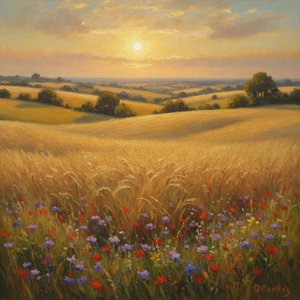
Golden Fields & Sun-Drenched Meadows: Capturing the Soul of Impressionist Landscapes
Immerse yourself in the luminous world of Impressionist landscapes. Discover how masters like Monet and Gauguin captured ephemeral light through plein air painting, and learn to bring the soul of sun-drenched meadows into your home with exquisite, hand-painted oil reproductions.

The Beauty of Impermanence: Capturing Decay through Impressionist Eyes
Explore the profound beauty of impermanence through Impressionist and Post-Impressionist eyes. Discover how masters like Monet and Van Gogh captured fleeting light and the poetic essence of nature's transitions in our deep dive into art history and emotional landscapes.

Capturing Light: The Ethereal Beauty and Timeless Legacy of Watercolor Landscapes
Embark on a visual journey through the ethereal beauty of watercolor landscapes. Discover how Impressionist masters captured light and emotion, and learn to bring this timeless, luminous elegance into your home with expert art curation and hand-painted reproductions.

Capturing the Soul: The Most Emotionally Moving Impressionist and Post-Impressionist Masterpieces
Discover the profound emotional depth of Impressionist and Post-Impressionist masterpieces. Explore how legends like Monet, Van Gogh, and Gauguin captured light and soul through evocative landscapes and vibrant brushwork for a timeless connection to art history.

Beyond the Light: Capturing Raw Emotion and Subjective Vision in Post-Impressionist Landscapes
Explore the profound emotional depth of Post-Impressionist landscapes. Discover how masters like Van Gogh moved beyond light to capture raw human feeling through vibrant color and expressive texture in this expert art history retrospective.