

 실제 크기로 보기
 보내기
보내기 공유하기
공유하기
 상세 보기
상세 보기 가이드 보기

 이미지 다운로드
 유사 작품 더 보기
 X-레이
X-레이 슬라이드 쇼 보기
 통계 정보
통계 정보Tancrede and Erminia

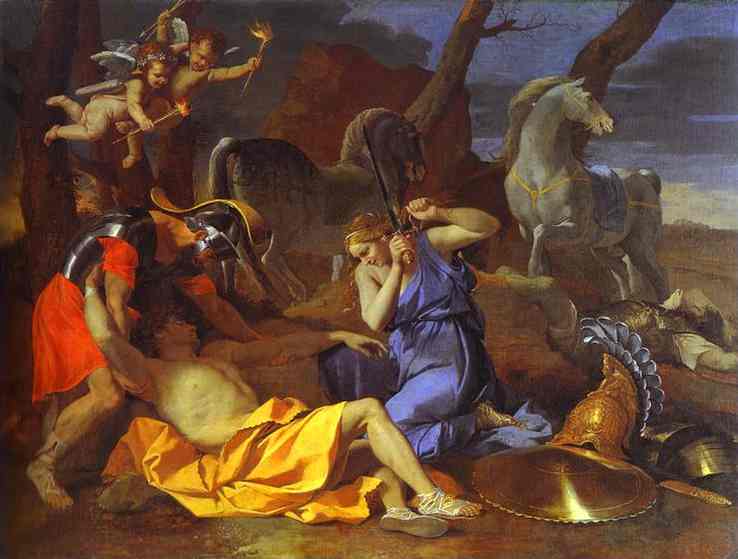
Nicolas Poussin's 'Tancred and Erminia' captures a dramatic mythological scene with intense emotion & classical precision. Explore the masterpiece’s narrative, composition, and artistic legacy at TopImpressionists.
 상세 보기
상세 보기
르아블
프랑스
니콜라 푸생
르아블, 앙데리
고대 로마의 영향을 받아 고요하고 균형 잡힌 풍경과 신화 속 이야기를 담은 프랑스 바로크 화가 니콜라 푸생. 그의 작품은 18세기 네오클래식 미술에 큰 영향을 미쳤습니다.
바로크, 고전주의
자크 루이 다비드
라파엘로
1594년
1665년
니콜라 푸생
프랑스
게르마니쿠스의 죽음
프랑스 르아블
파리
3
니콜라 푸생은 주로 어느 도시에서 활동했습니까?
지클레 / 아트 프린트
빠른 제작과 다양한 마감 옵션을 선택할 수 있는 박물관 수준의 지클레이 및 캔버스 프린트. ( 수작업 채색 복제본 주문하기 디지털 이미지 판매 채널로 전환)




P118B ₩10

P118H ₩10

P118W ₩10

P438Z ₩10

P508JH ₩12

P508YH ₩12

P805H ₩10

P805Z ₩10

P919BZ ₩10

P919G ₩10

P919XJ ₩10

P959ZH ₩10

P968JZ ₩12

W106C ₩8

W218G ₩10

W218JH ₩8

W218Y ₩10

W307PJ ₩10

W316G ₩10

W316PJ ₩8

W316Y ₩10

W398PJ ₩8

W4111J ₩10

W500HY ₩15

W500JH ₩15

W692G ₩12

W849H ₩8

W940BG ₩15

W953PJ ₩8




표준 규격
맞춤 제작
CM
INCH
작품의 원본 비율을 그대로 유지하는 프리셋 사이즈 중에서 선택해 보세요.
Loading sizes...

가로 너비
높이
액자나 벽면 크기에 맞춰 필요한 가로와 세로 길이를 입력해 주세요. 프린트는 원본 이미지보다 크게 제작할 수 없으며 오직 자르는 것만 가능하므로, 비율이 다른 사이즈를 선택할 경우 이미지의 일부가 잘려 나갈 수 있습니다. 인쇄 작업에 들어가기 전, 최종 확인을 위해 디지털 목업을 보내드립니다. 이 페이지에 표시된 이미지는 실제 잘리는 영역을 나타내지 않으며, 오직 목업을 통해서만 정확한 확인이 가능합니다.


 유리 옵션은 110cm 미만 크기에서만 선택 가능합니다.

Tancrede and Erminia
지클레 / 아트 프린트
복제본 규격
-


총 결제 금액
₩ 93564
A Vision of Myth and Romance
Nicolas Poussin’s “Tancred and Erminia” is not merely a depiction of a classical tale; it's an immersive experience, a carefully constructed tableau vivant that invites the viewer into a world of heightened emotion and profound contemplation. Painted around 1631-1634, during his most productive period in Rome, this work exemplifies Poussin’s mastery of capturing both the grandeur of antiquity and the delicate nuances of human feeling. The scene, drawn from Torquato Tasso's epic poem *Gerusalemme Illustre*, unfolds with a deliberate grace – a moment suspended between action and reflection, brimming with unspoken longing and impending conflict.
At first glance, the composition appears deceptively simple: a man, Tancred, holding his sword poised in readiness, stands beside a woman, Erminia, who clutches her bow. They are surrounded by a small group of figures – soldiers, attendants, and perhaps even a watchful shepherd – all rendered with an exquisite attention to detail that speaks volumes about Poussin’s meticulous technique. However, the painting's power lies not just in its subject matter but in the way Poussin orchestrates light, color, and spatial depth to create a deeply atmospheric effect. The use of *chiaroscuro*, the dramatic contrast between light and shadow, is particularly striking, drawing our eye to the central figures while subtly suggesting the turmoil beneath the surface.
The Classical Narrative and its Baroque Execution
The story itself is one of tragic romance. Tancred, a valiant warrior, has been wounded by Erminia’s father, the formidable King Anghiar. Erminia, deeply in love with Tancred, bravely offers to sacrifice herself to save his life, but he refuses her offer, fearing it would bring shame upon her family. The painting captures this pivotal moment – the hesitation before a potentially devastating choice, the unspoken sorrow and the resolute determination etched on their faces. Poussin skillfully employs classical motifs—the heroic posture of Tancred, the vulnerable beauty of Erminia—to elevate the narrative beyond a simple love story into a meditation on honor, duty, and sacrifice.
Despite its rootedness in classical mythology, “Tancred and Erminia” is undeniably a Baroque painting. Poussin’s use of rich, saturated colors – particularly the deep reds and blues – reflects the dramatic intensity characteristic of the era. Furthermore, his emphasis on line and form, combined with his masterful rendering of textures (the sheen of armor, the softness of fabric), creates a sense of visual dynamism that is both captivating and emotionally resonant. The figures are not simply depicted; they are sculpted into being, imbued with a palpable sense of life and movement.
Symbolism and Emotional Resonance
Beyond the immediate narrative, “Tancred and Erminia” is laden with symbolic meaning. The setting – a rugged, mountainous landscape bathed in golden light – evokes a sense of timelessness and spiritual significance. The presence of the shepherd suggests a connection to pastoral ideals, representing innocence and simplicity amidst the complexities of human affairs. Erminia’s bow and arrow are not merely weapons; they symbolize her willingness to defend Tancred, even at the cost of her own life. The shield on the ground hints at past battles and the enduring scars of conflict.
Ultimately, “Tancred and Erminia” is a painting that speaks to the universal themes of love, loss, and courage. It’s a poignant reminder of the choices we face in life and the sacrifices we make for those we cherish. Poussin's ability to capture these profound emotions with such exquisite beauty and technical skill ensures that this masterpiece continues to resonate with viewers centuries after its creation. A reproduction by TopImpressionists offers a remarkable opportunity to experience the full impact of this extraordinary work, bringing its timeless elegance into your home or studio.
질의응답
"Tancrede and Erminia"의 작가는 누구이며, 어떤 사조에 속하나요?
"Tancrede and Erminia"의 뒤에는 니콜라 푸생와 French Classicism 운동이 자리하고 있습니다.
니콜라 푸생의 다른 이름이나 별칭에는 무엇이 있나요?
니콜라 푸생은(는) 니꼴라 푸생, 니콜라스 푸생, 니콜라 푸쏀(으)로도 알려져 있습니다.
"Tancrede and Erminia"은 어떤 색채와 어떤 감정을 담아내고 있나요?
"Tancrede and Erminia"에서 Earthy 색조는 Melancholic 분위기를 자아냅니다.
작가 소개
빛과 이성의 조화: 니콜라 푸생의 삶과 예술
니콜라 푸생은 프랑스 바로크 회화를 대표하는 거장이지만, 그의 영혼은 대부분의 생애를 이탈리아 토양 속에서 키워냈습니다. 1594년 노르망디 레 안들리에서 태어난 그는 어린 시절부터 그림에 재능을 보였고, 지역 화가 퀴탱 바랭에게 기초적인 기법을 익혔습니다. 파리에서 잠시 활동하며 조르주 라레망과 페르디낭 엘레의 영향을 받았지만, 그의 예술적 운명을 결정짓는 것은 1624년 로마로 떠난 여정이었을 것입니다. 로마는 푸생에게 단순한 작업 공간 이상의 의미를 지녔습니다. 고대 문명의 심장부에서 그는 끊임없이 영감을 얻었고, 이는 그의 작품 전반에 걸쳐 나타나는 고전주의적 특징의 근원이 되었습니다. 초기에는 티치아노와 같은 베네치아 화가들의 영향을 받아 감각적인 색채를 탐구했지만, 곧 이성을 중시하고 명확한 구도를 선호하는 자신만의 스타일을 확립해 나갔습니다.로마 시대: 고전적 이상 추구
로마에서 푸생은 카시아노 달 포초와 같은 학자, 고고학자, 그리고 동료 화가들과 교류하며 지적인 토론을 나누었습니다. 특히 카시아노는 고대 유적을 꼼꼼하게 기록하는 데 몰두했는데, 이는 푸생에게 역사적 정확성과 시대를 초월한 아름다움을 작품에 담고자 하는 열망을 심어주었습니다. 그는 라파엘로의 작품들을 깊이 연구하며 조화로운 구성과 우아한 형태를 흡수했으며, 고대 조각상과 오비디우스의 『변신 이야기』와 같은 문학 작품에서도 영감을 얻었습니다. 이 시기 푸생은 점차 화려하고 감정을 격렬하게 드러내는 바로크 양식에서 벗어나 명확성, 균형, 그리고 선명한 구성을 강조하는 스타일을 발전시켰습니다. 그의 그림들은 종교적, 역사적 주제를 다루었지만, 단순한 이야기 전달을 넘어선 철학적 깊이와 상징적인 의미를 담고 있었습니다.역사, 신화, 그리고 신성: 주제의 다양성과 심오함
푸생은 다양한 주제를 탐구했지만, 그의 작품들은 일관되게 고전주의적 원칙에 기반했습니다. 그는 게르마니쿠스의 죽음과 같은 고대 역사를 묘사하며 비장하고 품위 있는 분위기를 연출했고, 신화 속 이야기를 통해 인간 본성을 탐구하며 도덕적인 교훈을 전달하고자 했습니다. 특히 *아르카디아* 시리즈는 그의 철학적 깊이를 보여주는 대표작으로, 죽음과 기억의 힘에 대한 성찰을 담고 있습니다. 또한 그는 *7가지 성사* 연작과 같이 종교적인 주제를 다루면서도 과도한 감정 표현을 자제하고 고요하고 엄숙한 분위기를 유지했습니다. 그의 후기 작품에서는 광활한 풍경이 더욱 중요하게 부각되었는데, 이는 현실과 이상이 조화를 이루는 아름다운 자연 경관을 통해 인간의 내면 세계를 표현하고자 한 시도였습니다.프랑스 예술에 미친 영향: 고전주의의 초석
푸생은 대부분의 생애를 이탈리아에서 보냈지만, 프랑스 예술에 지대한 영향을 미쳤습니다. 1640년 리슐리외 추기경의 요청으로 잠시 프랑스로 돌아가 왕실 화가가 되었으나, 궁중 생활의 부담과 권력 다툼을 견디지 못하고 곧 로마로 귀환했습니다. 그는 프랑스 왕립 회화 및 조각 아카데미에서 중요한 역할을 수행하며 고전주의 예술 교육의 기준을 확립하는 데 기여했습니다. 그의 엄격한 접근 방식과 지적인 깊이는 자크 루이 다비드와 폴 세잔과 같은 후대 화가들에게 영감을 주었으며, 단순한 스타일 모방을 넘어 프랑스 고전주의 미술의 초석을 다지는 역할을 했습니다. 푸생은 예술을 통해 이성과 아름다움을 추구하며 시대를 초월하는 가치를 창조하고자 했던 위대한 예술가였습니다.- 대표작: *게르마니쿠스의 죽음*, *7가지 성사 연작*, *로마의 길*, *맹인 오리온*, *계절*.
- 주요 특징: 고전적 구성, 선명한 윤곽선, 역사 및 신화 주제, 고요한 풍경.

니콜라 푸생
1594 - 1665 , 프랑스
작가 정보 요약
- 국적: 프랑스
- 영향받은 예술가:
- 자크 루이 다비드
- 폴 세잔
- 영향을 준 예술가:
- 라파엘로
- 티치아노
- 예술 사조: 바로크, 고전주의
- 전체 이름: 니콜라 푸생
- 주요 작품:
- Germanicus의 죽음
- 7가지 성사 연작
- 로마 도로
- 눈먼 오리온
- 계절
- 출생일: 1594년 6월
관련 기사

Drama and Light: Discover the Captivating Grandeur of Baroque Art
Immerse yourself in the dramatic splendor of Baroque art. Explore the profound impact of light, shadow, and the Counter-Reformation through an expert historical lens, celebrating the masters who defined an era of unparalleled grandeur and emotional intensity.


