


 실제 크기로 보기
 보내기
보내기 공유하기
공유하기
 상세 보기
상세 보기 가이드 보기

 이미지 다운로드
 유사 작품 더 보기
 X-레이
X-레이 슬라이드 쇼 보기
 Q&A
Q&A 통계 정보
통계 정보The window


Stargazing through a blue window scene by Oleksiy Potapenko captures dreamy depth; discover this vibrant piece of Ukrainian art today.
 상세 보기
상세 보기
A contemporary master of evocative storytelling, Oleksiy Andriyovich Potapenko captures profound moments of heritage in works like Chest and The window, inviting you to discover the quiet beauty within his textured canvases.
이 페이지에 표시된 작품은 저작권법의 보호를 받으며, 이에 따라 동일한 복제품을 제작하거나 판매하는 것은 법으로 금지되어 있습니다. 이러한 권리 보호는 다음과 같은 국제 협약에 따라 시행됩니다. 베른 협약 또한 다음에서 명시하는 법률을 포함한 국내법에 의해 보호됩니다. 미국 저작권법 제17조.
이 방식은 저작권 보호를 받는 예술 작품을 복제하거나 그대로 재현하는 것이 아니기에 저작권 규정을 완벽히 준수합니다. 대신, 이는 창의적인 재해석의 과정을 거칩니다. 즉, 원작에서 영감을 받되 원작과 동일하지 않은 새로운 회화 작품을 의미합니다.
지클레 / 아트 프린트
빠른 제작과 다양한 마감 옵션을 선택할 수 있는 박물관 수준의 지클레이 및 캔버스 프린트. ( 수작업 채색 복제본 주문하기 디지털 이미지 판매 채널로 전환)




P118B ₩10

P118H ₩10

P118W ₩10

P438Z ₩10

P508JH ₩12

P508YH ₩12

P805H ₩10

P805Z ₩10

P919BZ ₩10

P919G ₩10

P919XJ ₩10

P959ZH ₩10

P968JZ ₩12

W106C ₩8

W218G ₩10

W218JH ₩8

W218Y ₩10

W307PJ ₩10

W316G ₩10

W316PJ ₩8

W316Y ₩10

W398PJ ₩8

W4111J ₩10

W500HY ₩15

W500JH ₩15

W692G ₩12

W849H ₩8

W940BG ₩15

W953PJ ₩8




표준 규격
맞춤 제작
CM
INCH
작품의 원본 비율을 그대로 유지하는 프리셋 사이즈 중에서 선택해 보세요.
Loading sizes...

가로 너비
높이
액자나 벽면 크기에 맞춰 필요한 가로와 세로 길이를 입력해 주세요. 프린트는 원본 이미지보다 크게 제작할 수 없으며 오직 자르는 것만 가능하므로, 비율이 다른 사이즈를 선택할 경우 이미지의 일부가 잘려 나갈 수 있습니다. 인쇄 작업에 들어가기 전, 최종 확인을 위해 디지털 목업을 보내드립니다. 이 페이지에 표시된 이미지는 실제 잘리는 영역을 나타내지 않으며, 오직 목업을 통해서만 정확한 확인이 가능합니다.


 유리 옵션은 110cm 미만 크기에서만 선택 가능합니다.

The window
지클레 / 아트 프린트
복제본 규격
-


총 결제 금액
₩ 93398
A Celestial Glimpse Through Time
Olеksiy Andriyovich Potapenko’s "The window" invites the viewer into a space that feels both intimately personal and cosmically vast. It is more than just a depiction of an opening to the outside; it is a portal, a moment suspended between the contained reality of the room and the infinite mystery of the night sky. The composition immediately draws the eye through the crisp white frame of the window, suggesting a threshold—a place where introspection meets boundless possibility. The background, rendered in deep, evocative blues, is dusted with scattered stars, lending an ethereal depth that seems to recede far beyond the physical confines of the painting itself.
Composition and Evocative Detail
The meticulous arrangement of elements within this scene elevates it from a simple still life to a carefully orchestrated narrative. Notice the interplay between the mundane objects—the stately clock on the wall, the patiently waiting chair near the sill—and the celestial drama unfolding above. These domestic anchors ground the piece, giving weight to the ephemeral quality of the starlit view. Potapenko employs a technique that balances sharp, defined architectural lines with soft, atmospheric washes of color in the sky. This contrast is key; it allows the viewer's gaze to rest comfortably on the tangible details while simultaneously being pulled upward into the shimmering expanse.
Symbolism of Light and Passage
Symbolically, "The window" resonates deeply with themes of transition and perspective. Windows have always been potent symbols in art—they represent opportunity, connection, and the boundary between known worlds and the unknown. Here, under a canopy of stars, the passage of time, marked by the clock, seems to slow down or perhaps even become irrelevant against the backdrop of eternity. The open window suggests an invitation: an invitation to pause, to look outward, and to contemplate what lies beyond the immediate moment. It speaks to the human yearning for transcendence.
Bringing Cosmic Calm Home
For collectors and designers alike, this piece offers more than mere decoration; it offers an emotional anchor. Reproducing "The window" allows one to infuse a space with a sense of quiet wonder. Imagine this artwork gracing a living room or study—it transforms the architecture itself into part of the art experience. The vibrant yet soothing palette, dominated by deep blues and contrasted by brilliant white light, promises a focal point that calms the spirit while stimulating the imagination. It is a piece designed not just to be seen, but to be felt; a breath of cool, starlit air captured forever on canvas.
질의응답
Oleksiy Andriyovich Potapenko의 "The window"은(는) Contemporary 내에서 어떤 분위기를 자아내나요?
"The window"은 Contemporary 운동 내에서 Mysterious 정서를 담아내고 있습니다.
Oleksiy Andriyovich Potapenko의 "The window"을(를) 활용하기에 가장 좋은 용도와 공간은 무엇인가요?
"The window"은(는) Focal 용도로 추천하며, Lounge 공간에 배치하기 좋습니다.
Oleksiy Andriyovich Potapenko의 "The window"의 색채는 얼마나 조화로운가요?
"The window"의 색채 조화는 Softly Mixed Palette로 기록되어 있습니다.


관련 기사

Navy Hues & Masterpieces: 10 Iconic Paintings for Elegant Home Decor
Dive into a world of captivating navy hues! Explore 10 iconic paintings – from Van Gogh's 'Starry Night' to Monet’s seascapes. Discover the stories behind these masterpieces & find museum-quality art reproductions for your home at .

Top 10 Masterpieces for Your Living Room: Iconic Paintings & Art Decor Ideas |
Transform your living room with iconic art! Explore our guide to the Top 10 most famous paintings – from Van Gogh's Starry Night to Mona Lisa. Discover artist stories, techniques & find museum-quality reproductions for timeless decor. Explore the full collection on
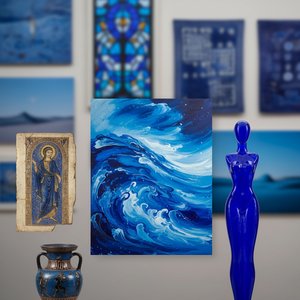
The Allure of Azure: Exploring the Symbolic & Aesthetic Depths of Blue in Art History
Explore the rich history of blue in art! Discover its symbolism, from ancient pigments to modern masterpieces by Kandinsky & Seurat. Uncover the psychological impact and cultural meanings behind this captivating hue.

Slate Blue Masterpieces: 10 Iconic Paintings & Timeless Home Decor Ideas
Immerse yourself in the captivating world of slate blue! Explore 10 iconic paintings by Monet, Van Gogh & Renoir. Discover their stories, techniques & find museum-quality art reproductions for your home at .

Marianne North's Masterpieces: 25 Botanical Paintings That Bloom With Adventure | TopImpressionists
Journey through the vibrant world of Marianne North’s botanical paintings! Explore 25 iconic artworks from this Victorian artist, celebrating exotic flora & travel. Find museum-quality reproductions and curated decor ideas at TopImpressionists.com.