
빠른 제작과 다양한 마감 옵션을 제공하는 박물관 품질의 지클레이 또는 캔버스 프린트. ( 손으로 그린 그림 구매 이미지 구매)





























작품의 원본 비율을 유지하는 미리 설정된 크기 중에서 선택하세요.

특정 프레임이나 공간에 맞춰 직접 치수를 입력하실 수 있습니다. 선택하신 사이즈가 원본 이미지의 비율과 일치하지 않을 경우, 작품을 크롭(자르기)하거나 이미지를 대칭 또는 단색 채우기로 확장하여 제작합니다. 제작 시작 전, 최종 확인을 위해 디지털 목업이 전송됩니다.
화면상의 미리보기는 실제 크롭이나 확장 상태를 반영하지 않으므로, 최종 구도는 오직 목업을 통해서만 정확하게 확인하실 수 있습니다.
맞춤 사이즈 제작도 가능하지만, 원본 비율을 유지하기 위해서는 사전 정의된 목록에서 치수를 선택하시는 것을 권장합니다.

Bufón y acróbata joven
복제본 크기
The painting Bufón y acróbata joven (Harlequin and Young Acrobat) is a remarkable work by Pablo Picasso, created in 1905. This masterpiece marks an important transition between two significant periods in Picasso's artistic career: his Blue Period and Rose Period. It showcases a shift towards warmer tones and a more optimistic subject matter while retaining the poignant emotional depth characteristic of his earlier works.
Picasso, born in Málaga, Spain, in 1881, is widely regarded as one of the most influential artists of the 20th century. His prolific output includes over 20,000 paintings, prints, drawings, sculptures, ceramics, theater sets, and costumes that convey myriad intellectual, political, social, and amorous messages. Bufón y acróbata joven was created during a pivotal moment in his artistic development, as he moved away from the somber blues and grays of his earlier Blue Period towards the more vibrant hues of his Rose Period. This transition reflects a change in Picasso's personal life and a broadening of his thematic concerns.
The composition of Bufón y acróbata joven is divided into three distinct sections: the background, the central figure (the young harlequin), and the foreground (the acrobat). The use of color in this work is particularly noteworthy. While the blue tones dominate the background and the harlequin's costume, warmer hues such as red and orange are used to highlight the acrobat's face and hands. This contrast creates a visual dynamism and draws attention to the figures’ expressions. Picasso employs a flattened perspective and simplified forms, characteristic of his evolving style. The lines are fluid and expressive, conveying a sense of movement and melancholy. The painting is executed in oil on canvas, allowing for rich layering of color and texture.
The figures themselves – the harlequin and the young acrobat – carry symbolic weight. Harlequins, often associated with theatrical performance and disguise, can represent vulnerability and hidden emotions. The young acrobat, poised and seemingly fragile, embodies youth, skill, and perhaps a sense of precariousness. Their intimate pose suggests a relationship built on shared experience and mutual support within the challenging world of the circus. The overall emotional impact is one of quiet contemplation and understated sadness, tinged with a glimmer of hope. Despite the shift towards warmer colors, a lingering melancholy from the Blue Period remains, creating a complex and deeply moving work.
Bufón y acróbata joven is an important example of Picasso's early work and demonstrates his evolving style during a critical period in his artistic development. This painting, along with other works from this time, laid the groundwork for Picasso's later innovations, including Cubism. It exemplifies his ability to synthesize diverse influences and create a uniquely personal visual language that would profoundly impact the course of 20th-century art.

1881 - 1973 , 스페인

파블로 피카소의 시대를 초월하는 25개의 걸작을 만나보세요. 입체주의부터 꿈까지, 각 작품에 담긴 예술과 영감을 TopImpressionists에서 감상하세요. 고품질 유화와 판화를 소장하고 특별한 공간을 완성해보세요! 지금 바로 TopImpressionists.com에서 컬렉션을 탐험하세요.

Immerse yourself in the captivating world of slate blue! Explore 10 iconic paintings by Monet, Van Gogh & Renoir. Discover their stories, techniques & find museum-quality art reproductions for your home at .
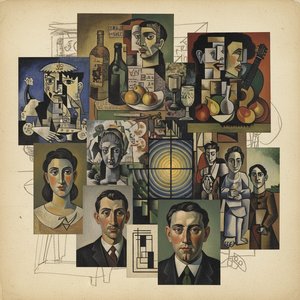
Explore 10 Cubist masterpieces by Picasso, Braque & more! Delve into the history of this revolutionary art movement. Find museum-quality reproductions and elevate your home decor with TopImpressionists. Discover all masterpieces on TopImpressionists.com

피카소, 브라크의 큐비즘 걸작 10선! 혁신적인 예술 세계를 만나보세요. 각 작품의 숨겨진 이야기와 감동을 TopImpressionists에서 경험하고, 당신의 공간에 특별한 예술적 영감을 더하세요. 지금 바로 TopImpressionists.com에서 모든 명작을 발견해보세요!

Explore the revolutionary art of Pablo Picasso with TopImpressionists.com. Discover Cubism's origins, symbolism in his masterpieces & investment insights for collectors. Expert appraisal & custom reproductions available.


최신 미술 뉴스, 특별 혜택 및 인테리어 아이디어를 가장 먼저 만나보세요.
프로젝트에 대해 알려주시면 저희 미술 전문가들이 맞춤형 아트 제안 3가지를 전달해 드립니다.
당신만을 위한 맞춤형 옵션 3가지를 무료로 추천해 드립니다!


 미리보기
미리보기
 공유하기
공유하기 공유하기
공유하기
 상세 정보
상세 정보

 다운로드
다운로드
 유사 작품
유사 작품 X-레이
X-레이 슬라이드 쇼

 더 보기
더 보기









 유리 옵션은 110cm 미만 크기에서만 선택 가능합니다.


