






























작품의 원본 비율을 유지하는 미리 설정된 크기 중에서 선택하세요.

특정 프레임이나 공간에 맞도록 직접 크기를 입력할 수 있습니다. 선택하신 크기가 원본 이미지의 비율과 일치하지 않는 경우, 작품을 자르거나 추가적인 손으로 그린 요소를 사용하여 그림을 확장합니다. 제작 시작 전 승인을 위해 디지털 목업을 보내드립니다.
화면 미리 보기는 실제 자르기 또는 확장을 반영하지 않습니다. 최종 구성은 목업을 통해서만 정확하게 확인하실 수 있습니다.
맞춤 크기 제작도 가능하지만, 원본 비율을 유지하기 위해 사전 정의된 목록에서 크기를 선택하시는 것을 권장합니다.

Cazo esmaltado
복제본 크기
Pablo Picasso's Cazo Esmaltado (Enameled Pot), painted in 1908, is far more than a depiction of humble kitchen objects. It stands as a pivotal moment in the artist’s journey and, indeed, in the history of art itself—a quiet revolution unfolding on canvas. The painting isn't simply *about* a pot, a cup, or a candle; it’s about how we see, how we represent reality, and the very foundations upon which artistic tradition had been built for centuries. It marks a decisive break from the past, signaling the imminent arrival of Cubism and forever altering the course of modern art.
The scene presented is deceptively simple: everyday items arranged on a table. But look closer, and conventional representation begins to dissolve. Picasso doesn’t offer us a single, fixed viewpoint; instead, he fractures these ordinary objects into geometric planes, presenting multiple perspectives simultaneously. The enameled pot, the central focus, isn't rendered with smooth curves and realistic shading. It is broken down, analyzed, and reassembled as a collection of angular forms. This deliberate distortion—this deconstruction of reality—is not an attempt to misrepresent; it’s an exploration of how we *perceive* form and space. The muted palette, dominated by blues, grays, and browns, further emphasizes this intellectual approach, prioritizing the analysis of structure over purely aesthetic concerns. The flattening of the composition, minimizing depth, reinforces the two-dimensionality of the canvas, reminding us that we are looking at a constructed image, not a window onto the world.
Cazo Esmaltado is considered one of the earliest examples of Analytical Cubism, a style Picasso pioneered alongside Georges Braque. This movement arose from a desire to move beyond the limitations of traditional perspective—a system that had dominated Western art since the Renaissance. Artists were increasingly questioning established norms in all areas of life, spurred by rapid technological advancements and societal shifts. The early 20th century was a period of immense change, and Cubism reflected this fragmentation and uncertainty. Picasso and Braque sought to represent subjects not as they appeared at a single moment in time, but as they existed in their totality—a composite of multiple viewpoints experienced over time. The choice of mundane objects – a pot, a cup, a bowl – wasn’t accidental; it signified an interest in exploring the essence of form itself, independent of narrative or emotional content. It was about stripping away the superficial and revealing the underlying structure of reality.
While Cazo Esmaltado doesn’t evoke sentimental emotions in a traditional sense, it possesses a powerful intellectual and aesthetic impact. It challenges viewers to actively engage with the artwork, forcing us to reconsider our assumptions about representation and perception. This isn't an image meant to be passively consumed; it demands contemplation. The painting’s influence on art history is undeniable. It served as a catalyst for countless subsequent movements—Futurism, Constructivism, Surrealism—each building upon Picasso’s revolutionary foundation. Today, *Enamel Saucepan* remains a testament to Picasso's genius and his enduring contribution to the evolution of modern art, a potent reminder that true innovation often lies in questioning everything we think we know.

1881 - 1973 , 스페인

Explore the revolutionary world of Cubist Still Life with TopImpressionists. Discover Picasso & Braque's groundbreaking techniques, its philosophical roots, and lasting impact on modern art. Expert insights for collectors.

TopImpressionists에서 개인의 순간을 영원히 담아내는 맞춤 오일 회화 정물화를 경험하세요. 숙련된 장인의 손길로 제작, 레스토랑 공간에 품격을 더하고 소중한 추억을 예술 작품으로 승화시킵니다. 지금 바로 문의하세요!

Explore the rich history of still life painting & the symbolism of fruit across art movements. Discover masterpieces from Caravaggio to Cézanne with TopImpressionists – expert guidance & museum-quality reproductions.
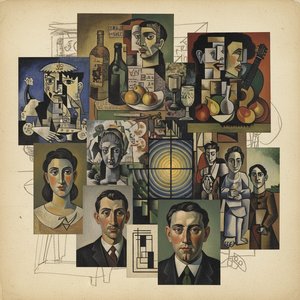
Explore 10 Cubist masterpieces by Picasso, Braque & more! Delve into the history of this revolutionary art movement. Find museum-quality reproductions and elevate your home decor with TopImpressionists. Discover all masterpieces on TopImpressionists.com

Explore 10 Cubist masterpieces by Picasso, Braque & more! Discover the stories behind these revolutionary paintings and their impact on modern art. Find museum-quality reproductions for your home at TopImpressionists.com – where art comes to life.


최신 미술 뉴스, 특별 혜택 및 인테리어 아이디어를 가장 먼저 만나보세요.
프로젝트에 대해 알려주시면 저희 미술 전문가들이 맞춤형 아트 제안 3가지를 전달해 드립니다.
당신만을 위한 맞춤형 옵션 3가지를 무료로 추천해 드립니다!

 Preview
 프린트 구매하기
 공유하기
공유하기 공유하기
공유하기
 상세 정보
상세 정보

 다운로드
다운로드
 유사 작품
유사 작품 X-레이
X-레이 슬라이드 쇼

 더 보기
더 보기









 유리 옵션은 110cm 미만 크기에서만 선택 가능합니다.


