






























작품의 원본 비율을 유지하는 미리 설정된 크기 중에서 선택하세요.

특정 프레임이나 공간에 맞춰 직접 치수를 입력하실 수 있습니다. 선택하신 사이즈가 원본 이미지의 비율과 일치하지 않을 경우, 작품을 크롭(자르기)하거나 이미지를 대칭 또는 단색 채우기로 확장하여 제작합니다. 제작 시작 전, 최종 확인을 위해 디지털 목업이 전송됩니다.
화면상의 미리보기는 실제 크롭이나 확장 상태를 반영하지 않으므로, 최종 구도는 오직 목업을 통해서만 정확하게 확인하실 수 있습니다.
맞춤 사이즈 제작도 가능하지만, 원본 비율을 유지하기 위해서는 사전 정의된 목록에서 치수를 선택하시는 것을 권장합니다.

Composition with a Skull
복제본 크기
Pablo Picasso’s "Composition with a Skull," created between 1912 and 1914 during his Synthetic Cubism period, is more than just a still life; it's a profound exploration of mortality, memory, and the evolving language of art. This work exemplifies Picasso's revolutionary approach to representation, breaking down traditional forms into fragmented geometric shapes while retaining an underlying sense of meaning and emotional resonance.
"Composition with a Skull" is a quintessential example of Synthetic Cubism. Unlike the earlier Analytical Cubism which focused on dissecting objects from multiple viewpoints, Synthetic Cubism saw Picasso and Braque incorporating collage elements – newspaper clippings, wallpaper fragments – alongside painted forms to create layered compositions. While this particular piece doesn't feature overt collage, it embodies the spirit of Synthetic Cubism through its flattened perspective, overlapping planes, and simplified shapes. The skull itself is not rendered realistically but rather constructed from geometric components—triangles, circles, and rectangles—creating a stylized yet recognizable image. The muted color palette – primarily browns, blacks, whites, and touches of ochre – contributes to the painting’s somber mood and reinforces its thematic focus on transience.
Created in the years leading up to World War I, "Composition with a Skull" reflects the anxieties and uncertainties of the era. The early 20th century was a period of rapid social and technological change, marked by both optimism and profound unease. The skull, a traditional symbol of mortality, takes on added significance within this context, perhaps representing the fragility of life in an increasingly unstable world. Picasso’s artistic experimentation during this time mirrored broader cultural shifts away from traditional values and towards new forms of expression that challenged conventional notions of beauty and representation.
The central motif of the skull is undeniably laden with symbolic weight. It serves as a memento mori—a reminder of death's inevitability—a common theme in art history. However, Picasso’s Cubist treatment transforms this traditional symbol into something more complex and ambiguous. The surrounding objects – musical instruments (possibly a guitar), playing cards, and what appears to be a framed picture – suggest themes of leisure, entertainment, and perhaps even memory or illusion. The fragmented nature of the composition itself can be interpreted as a metaphor for the fractured experience of modern life, where reality is often perceived through multiple perspectives and mediated by cultural constructs.
"Composition with a Skull" evokes a range of emotions—a sense of melancholy, contemplation, and perhaps even unease. The painting’s stark geometric forms and muted colors create a visually arresting image that demands attention while simultaneously conveying a feeling of quiet introspection. Despite its somber subject matter, the work is also intellectually stimulating, inviting viewers to engage with Picasso's innovative approach to representation and to consider the deeper philosophical questions it raises about life, death, and the nature of art itself.

1881 - 1973 , 스페인

파블로 피카소의 시대를 초월하는 25개의 걸작을 만나보세요. 입체주의부터 꿈까지, 각 작품에 담긴 예술과 영감을 TopImpressionists에서 감상하세요. 고품질 유화와 판화를 소장하고 특별한 공간을 완성해보세요! 지금 바로 TopImpressionists.com에서 컬렉션을 탐험하세요.

조르주 브라크의 시대를 초월한 25개의 걸작을 만나보세요. 입체주의를 개척한 프랑스 화가의 예술 세계와 숨겨진 이야기를 TopImpressionists에서 감상하고, 명작 유화 복제본으로 공간에 특별함을 더하세요. 지금 바로 컬렉션을 탐험하세요!
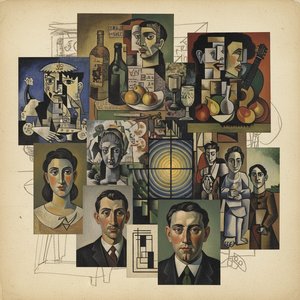
Explore 10 Cubist masterpieces by Picasso, Braque & more! Delve into the history of this revolutionary art movement. Find museum-quality reproductions and elevate your home decor with TopImpressionists. Discover all masterpieces on TopImpressionists.com

페르낭 레제의 최고 걸작 25선을 만나보세요. 큐비즘, 추상 미술의 거장이 그린 명작들의 탄생 비화와 예술적 의미를 탐구합니다. TopImpressionists에서 고품질 아트 프린트와 인테리어 액자로 공간에 예술을 더하세요. 지금 바로 컬렉션을 확인하세요!

뉴욕 메트로폴리탄 미술관 최고 걸작 25선을 만나보세요. 반 고흐, 모네 등 거장들의 숨겨진 이야기와 예술의 정수를 감상하세요. 홈 데코를 위한 명화 복제 작품은 TopImpressionists에서! 지금 바로 컬렉션을 탐험하세요.


최신 미술 뉴스, 특별 혜택 및 인테리어 아이디어를 가장 먼저 만나보세요.
프로젝트에 대해 알려주시면 저희 미술 전문가들이 맞춤형 아트 제안 3가지를 전달해 드립니다.
당신만을 위한 맞춤형 옵션 3가지를 무료로 추천해 드립니다!

 작품 구매하기
 공유하기
공유하기 공유하기
공유하기
 상세 정보
상세 정보

 다운로드
다운로드
 유사 작품
유사 작품 X-레이
X-레이 슬라이드 쇼

 더 보기
더 보기









 유리 옵션은 110cm 미만 크기에서만 선택 가능합니다.


