
빠른 제작과 다양한 마감 옵션을 제공하는 박물관 품질의 지클레이 또는 캔버스 프린트. ( 손으로 그린 그림 구매 이미지 구매)





























작품의 원본 비율을 유지하는 미리 설정된 크기 중에서 선택하세요.

특정 프레임이나 공간에 맞춰 직접 치수를 입력하실 수 있습니다. 선택하신 사이즈가 원본 이미지의 비율과 일치하지 않을 경우, 작품을 크롭(자르기)하거나 이미지를 대칭 또는 단색 채우기로 확장하여 제작합니다. 제작 시작 전, 최종 확인을 위해 디지털 목업이 전송됩니다.
화면상의 미리보기는 실제 크롭이나 확장 상태를 반영하지 않으므로, 최종 구도는 오직 목업을 통해서만 정확하게 확인하실 수 있습니다.
맞춤 사이즈 제작도 가능하지만, 원본 비율을 유지하기 위해서는 사전 정의된 목록에서 치수를 선택하시는 것을 권장합니다.

Don Quixote
복제본 크기
Pablo Picasso’s 1955 sketch, “Don Quixote,” isn't merely an illustration; it’s a distilled essence of Cervantes’ timeless tale and a profound meditation on the nature of illusion versus reality. Emerging from a period of intense experimentation within his artistic evolution, this work represents a shift towards a more direct and emotionally charged approach, mirroring the protagonist’s own struggle to reconcile his idealized vision with the harsh realities of the world. The stark simplicity of the composition – a predominantly white background punctuated by the figures of Don Quixote, his horse Rocinante, and Sancho Panza – immediately draws the viewer into a realm of heightened drama and symbolic weight.
The sketch’s power lies in its raw energy and expressive lines. Picasso abandons the meticulous detail of his earlier Cubist explorations, opting instead for bold, almost frantic strokes that convey both movement and vulnerability. The figures are rendered with an immediate, gestural quality, suggesting a fleeting moment captured on paper – a snapshot of a heroic delusion. Notice how the elongated form of Don Quixote dominates the scene, his posture radiating a desperate yearning for chivalric glory, while Sancho Panza, positioned beneath him, embodies a grounded practicality, a stark contrast to the knight’s fantastical pursuits. The horse and donkey are equally simplified, their forms echoing the dynamism of the human figures.
Picasso's decision to revisit Cervantes’ classic at this particular juncture in his career is deeply significant. Following the devastation of World War II, Europe was grappling with profound uncertainty and disillusionment. The themes of idealism, delusion, and the clash between fantasy and reality resonated powerfully within a continent scarred by conflict. The work can be seen as a reflection of these anxieties, mirroring the societal yearning for order amidst chaos.
Furthermore, Picasso’s exploration of Don Quixote aligns with his ongoing fascination with mythology and folklore. The image evokes echoes of medieval tapestries and woodcuts – a deliberate nod to the chivalric romances that fueled Quixote's delusions. The inclusion of elements like the sun (a potent symbol of authority and judgment) and the windmills, representing the obstacles in Quixote’s path, further enrich the work’s symbolic landscape. The sketch also subtly references the tradition of Spanish art, particularly its depictions of equestrian scenes, while simultaneously forging a distinctly modern aesthetic.
The sketch itself is executed primarily with charcoal and ink on paper, utilizing hatching techniques to create subtle gradations of tone and texture. The stark contrast between the white background and the dark figures amplifies the drama, emphasizing their isolation and vulnerability. Picasso’s loose, expressive lines suggest a spontaneous process – an immediate response to the subject matter rather than a carefully planned composition. This immediacy is crucial to the work's emotional impact, conveying a sense of urgency and raw feeling.
The choice of Arches paper—a high-quality, heavy weight surface known for its archival permanence—contributes significantly to the sketch’s visual presence. The textured surface allows the charcoal and ink to lay down with depth and richness, enhancing the work's tactile quality. It is a testament to Picasso’s commitment to using materials that would preserve his vision for generations to come.
“Don Quixote” transcends its subject matter to become a poignant meditation on the human condition. It speaks to our inherent desire for meaning and purpose, our tendency to project idealized visions onto the world, and the inevitable disappointment that arises when reality fails to meet our expectations. Picasso’s sketch is not simply a portrait of a literary hero; it's an invitation to contemplate the complexities of illusion, delusion, and the enduring power of storytelling – themes that continue to resonate deeply with audiences today.

1881 - 1973 , 스페인

파블로 피카소의 시대를 초월하는 25개의 걸작을 만나보세요. 입체주의부터 꿈까지, 각 작품에 담긴 예술과 영감을 TopImpressionists에서 감상하세요. 고품질 유화와 판화를 소장하고 특별한 공간을 완성해보세요! 지금 바로 TopImpressionists.com에서 컬렉션을 탐험하세요.

Explore 10 iconic white paintings by Monet, Whistler & Rothko! Discover the stories behind these serene masterpieces and their impact on art history. Find museum-quality reproductions for your home decor at .
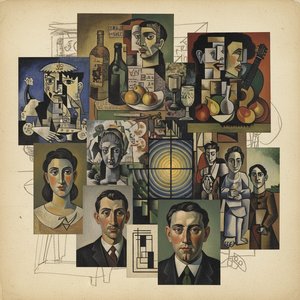
Explore 10 Cubist masterpieces by Picasso, Braque & more! Delve into the history of this revolutionary art movement. Find museum-quality reproductions and elevate your home decor with TopImpressionists. Discover all masterpieces on TopImpressionists.com

Explore 10 revolutionary Cubist portraits by Picasso, Braque & more! Discover the stories behind these iconic paintings and how they shaped modern art. Find museum-quality reproductions to elevate your home decor on TopImpressionists.com.

Explore 10 Cubist masterpieces by Picasso, Braque & more! Discover the stories behind these revolutionary paintings and their impact on modern art. Find museum-quality reproductions for your home at TopImpressionists.com – where art comes to life.


최신 미술 뉴스, 특별 혜택 및 인테리어 아이디어를 가장 먼저 만나보세요.
프로젝트에 대해 알려주시면 저희 미술 전문가들이 맞춤형 아트 제안 3가지를 전달해 드립니다.
당신만을 위한 맞춤형 옵션 3가지를 무료로 추천해 드립니다!


 미리보기
미리보기
 공유하기
공유하기 공유하기
공유하기
 상세 정보
상세 정보

 다운로드
다운로드
 유사 작품
유사 작품 X-레이
X-레이 슬라이드 쇼

 더 보기
더 보기









 유리 옵션은 110cm 미만 크기에서만 선택 가능합니다.


