
 Acrylic On CanvasWallArtNaive Art / Primitivism
 1906
1906 21.0 x 13.0 cm
빠른 제작과 다양한 마감 옵션을 제공하는 박물관 품질의 지클레이 또는 캔버스 프린트. ( 수제 페인팅으로 전환하기 이미지로 전환)





























작품의 원본 비율을 유지하는 미리 설정된 크기 중에서 선택하세요.

특정 프레임이나 공간에 맞춰 직접 치수를 입력하실 수 있습니다. 선택하신 사이즈가 원본 이미지의 비율과 일치하지 않을 경우, 작품을 크롭(자르기)하거나 이미지를 대칭 또는 단색 채우기로 확장하여 제작합니다. 제작 시작 전, 최종 확인을 위해 디지털 목업이 전송됩니다.
화면상의 미리보기는 실제 크롭이나 확장 상태를 반영하지 않으므로, 최종 구도는 오직 목업을 통해서만 정확하게 확인하실 수 있습니다.
맞춤 사이즈 제작도 가능하지만, 원본 비율을 유지하기 위해서는 사전 정의된 목록에서 치수를 선택하시는 것을 권장합니다.

El Tinen
복제본 크기
Pablo Picasso's "El Tinen," painted in 1906, isn’t merely a portrait; it’s a visceral glimpse into the nascent stages of his revolutionary exploration of Naive Art – or Primitivism. This gouache on paper work, measuring a modest 21 x 13 cm, pulsates with an arresting simplicity that belies its profound significance within Picasso's artistic journey. The subject is a man of robust features, a figure rendered with a directness and immediacy rarely seen in the art of his time. He wears a hat, a gesture both familiar and slightly unsettling, and stands before what appears to be a wall or building – a backdrop that anchors him firmly within a world stripped bare of academic convention.
The painting’s power resides in its deliberate rejection of refinement. Picasso consciously abandoned the meticulous detail and illusionistic depth favored by traditional European art. Instead, he embraced bold colors—a vibrant palette dominated by earthy tones punctuated by flashes of red and blue—and simplified forms to their essential elements. The large nose and open mouth, suggesting a shout or perhaps a primal expression of frustration, are not rendered with anatomical precision but rather as immediate, emotionally charged indicators. This approach aligns perfectly with the principles of Naive Art, where the artist’s personal vision and emotional response take precedence over technical skill.
Picasso's foray into Primitivism wasn’t born in a vacuum. His interest in African art, particularly masks and sculptures, played a crucial role in shaping his aesthetic sensibilities during this period. These works, characterized by their powerful symbolism and unadorned forms, provided a potent counterpoint to the prevailing artistic norms of Europe. Simultaneously, Picasso was deeply influenced by Henri Rousseau, a French painter who himself practiced Naive Art. Rousseau’s dreamlike landscapes and figures, often imbued with exotic imagery and a childlike quality, served as a model for Picasso's own experimentation. “El Tinen” can be seen as a synthesis of these influences—a deliberate attempt to capture the essence of human experience through a simplified, emotionally direct style.
The painting’s composition feels almost deliberately unbalanced, mirroring the raw energy and untamed spirit that characterized Picasso's exploration of this new artistic language. It’s a departure from the carefully constructed narratives of academic art, opting instead for a more immediate and intuitive connection with the viewer. The lack of detail forces us to engage directly with the figure’s expression, inviting speculation about his identity and motivations.
While “El Tinen” resists precise interpretation, its symbolic elements offer intriguing clues into Picasso's intentions. The man’s open mouth could represent anger, protest, or perhaps even a primal scream—a release of pent-up emotion. The hat, a common symbol of authority and social status, is rendered simply, almost anonymously, suggesting that the individual depicted transcends any specific identity. The background, a basic wall, further emphasizes this sense of detachment, isolating the figure within his own internal world.
Beyond its symbolic layers, “El Tinen” possesses a remarkable emotional resonance. The painting evokes a feeling of vulnerability and intensity—a raw depiction of human experience stripped bare of artifice. It’s a testament to Picasso's ability to capture the essence of a subject through simplification and directness, creating an image that lingers in the memory long after it has been viewed.
TopImpressionists offers meticulously crafted hand-painted reproductions of “El Tinen,” allowing art lovers to experience Picasso’s revolutionary style firsthand. Our skilled artisans faithfully recreate the painting's vibrant colors, bold brushstrokes, and expressive forms, ensuring that every detail is captured with exceptional accuracy. This reproduction provides a stunning addition to any collection or interior space, bringing a touch of modern art history into your home.
Whether you’re an avid collector, an admirer of Picasso's work, or simply seeking a unique piece of art décor, our “El Tinen” reproduction is a compelling choice. It’s more than just a print; it’s a window into the mind of one of the 20th century’s most influential artists – a testament to the power of simplicity and emotional expression.

1881 - 1973 , 스페인

파블로 피카소의 시대를 초월하는 25개의 걸작을 만나보세요. 입체주의부터 꿈까지, 각 작품에 담긴 예술과 영감을 TopImpressionists에서 감상하세요. 고품질 유화와 판화를 소장하고 특별한 공간을 완성해보세요! 지금 바로 TopImpressionists.com에서 컬렉션을 탐험하세요.

엘 그레코의 영혼을 담은 걸작 25선을 만나보세요. 스페인 화가 엘 그레코의 종교화, 마니에리스모 스타일, 그리고 그의 대표작들을 TopImpressionists에서 감상하고 특별한 인테리어 아트 아이디어를 얻으세요. 지금 바로 컬렉션을 탐험하세요!

뉴욕 메트로폴리탄 미술관 최고 걸작 25선을 만나보세요. 반 고흐, 모네 등 거장들의 숨겨진 이야기와 예술의 정수를 감상하세요. 홈 데코를 위한 명화 복제 작품은 TopImpressionists에서! 지금 바로 컬렉션을 탐험하세요.
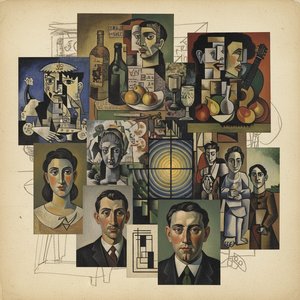
Explore 10 Cubist masterpieces by Picasso, Braque & more! Delve into the history of this revolutionary art movement. Find museum-quality reproductions and elevate your home decor with TopImpressionists. Discover all masterpieces on TopImpressionists.com

Explore 10 Cubist masterpieces by Picasso, Braque & more! Discover the stories behind these revolutionary paintings and their impact on modern art. Find museum-quality reproductions for your home at TopImpressionists.com – where art comes to life.


최신 미술 뉴스, 특별 혜택 및 인테리어 아이디어를 가장 먼저 만나보세요.
프로젝트에 대해 알려주시면 저희 미술 전문가들이 맞춤형 아트 제안 3가지를 전달해 드립니다.
당신만을 위한 맞춤형 옵션 3가지를 무료로 추천해 드립니다!


 미리보기
미리보기
 공유하기
공유하기 공유하기
공유하기
 상세 정보
상세 정보

 다운로드
다운로드
 유사 작품
유사 작품 X-레이
X-레이 슬라이드 쇼
 더 보기
더 보기









 유리 옵션은 110cm 미만 크기에서만 선택 가능합니다.


