

 미리보기
미리보기
 공유하기
공유하기 공유하기
공유하기
 상세 정보
상세 정보 가이드 보기

 다운로드
다운로드
 유사 작품 더 보기
 X-레이
X-레이 슬라이드 쇼 보기
 질의응답
질의응답 통계 정보
통계 정보Fairground


 더 보기
더 보기
이 페이지에 표시된 작품은 저작권법의 보호를 받으며, 이에 따라 동일한 복제품을 제작하거나 판매하는 것은 법으로 금지되어 있습니다. 이러한 권리 보호는 다음과 같은 국제 협약에 따라 시행됩니다. 베른 협약 또한 다음에서 명시하는 법률을 포함한 국내법에 의해 보호됩니다. 미국 저작권법 제17조.
이 방식은 저작권 보호를 받는 예술 작품을 복제하거나 그대로 재현하는 것이 아니기에 저작권 규정을 완벽히 준수합니다. 대신, 이는 창의적인 재해석의 과정을 거칩니다. 즉, 원작에서 영감을 받되 원작과 동일하지 않은 새로운 회화 작품을 의미합니다.
지클레 / 아트 프린트
빠른 제작과 다양한 마감 옵션을 제공하는 박물관 수준의 지클레이 및 캔버스 프린트. ( 수작업 채색 복제본 주문하기 디지털 이미지로 전환)




P118B ₩10

P118H ₩10

P118W ₩10

P438Z ₩10

P508JH ₩12

P508YH ₩12

P805H ₩10

P805Z ₩10

P919BZ ₩10

P919G ₩10

P919XJ ₩10

P959ZH ₩10

P968JZ ₩12

W106C ₩8

W218G ₩10

W218JH ₩8

W218Y ₩10

W307PJ ₩10

W316G ₩10

W316PJ ₩8

W316Y ₩10

W398PJ ₩8

W4111J ₩10

W500HY ₩15

W500JH ₩15

W692G ₩12

W849H ₩8

W940BG ₩15

W953PJ ₩8




표준 규격
맞춤형
CM
INCH
작품의 원본 비율을 그대로 유지하는 프리셋 사이즈 중에서 선택해 보세요.
Loading sizes...

가로 너비
세로 길이
액자나 벽면 크기에 맞춰 필요한 가로와 세로 길이를 입력해 주세요. 프린트는 원본 이미지보다 크게 제작할 수 없으며 오직 자르는 것만 가능하므로, 비율이 다른 사이즈를 선택할 경우 이미지의 일부가 잘려 나갈 수 있습니다. 인쇄 작업에 들어가기 전, 최종 확인을 위해 디지털 목업을 보내드립니다. 이 페이지에 표시된 이미지는 실제 잘리는 영역을 나타내지 않으며, 오직 목업을 통해서만 정확한 확인이 가능합니다.


 유리 옵션은 110cm 미만 크기에서만 선택 가능합니다.

Fairground
지클레 / 아트 프린트
복제본 크기
-


최종 결제 금액
₩ 93362
Pablo Picasso’s “Fairground”: A Proto-Cubist Glimpse into Modernity
Pablo Picasso's "Fairground," painted in 1900, stands as a pivotal work bridging the gap between his Blue Period and the explosive emergence of Cubism. More than just a depiction of a bustling public gathering, it’s a carefully constructed exploration of form, perspective, and the nascent anxieties of a rapidly changing world – a visual precursor to some of Picasso's most enduring masterpieces. This early surrealist endeavor reveals a restless mind grappling with new ways of seeing and representing reality, laying the groundwork for his revolutionary contributions to 20th-century art.
The scene unfolds within a darkened space, dominated by a stage or theater setting – a common motif in Picasso’s work during this period. A collection of figures are arranged before this implied performance, their postures and gazes suggesting an atmosphere of anticipation and quiet excitement. The composition is strikingly geometric, characterized by simplified shapes and muted tones, a departure from the more naturalistic approaches of his earlier years. Two prominent chairs – one centrally positioned and another situated towards the right – act as anchors within the scene, subtly manipulating perspective and drawing the viewer’s eye into the heart of the gathering. These aren't merely furniture; they are carefully placed elements that contribute to a sense of depth and spatial ambiguity, hinting at the fragmented nature of perception that would become central to Cubism.
The Proto-Cubist Seed
“Fairground” is widely considered a crucial stepping stone in Picasso’s development towards Proto-Cubism. This transitional phase, occurring around 1907, saw artists like Picasso experimenting with radically reducing forms to their essential geometric components and flattening traditional perspective. Unlike the fully realized Cubism of later years, which involved presenting multiple viewpoints simultaneously on a single canvas, Proto-Cubism focused on breaking down objects into simplified shapes and planes – a technique clearly evident in “Fairground.” The painting’s muted color palette—primarily browns, grays, and ochres—further emphasizes this reductionist approach, prioritizing structure over vibrant representation. It's a deliberate move away from the emotional intensity of the Blue Period and the warmer tones of the Rose Period, signaling a shift towards a more analytical and intellectual style.
Contextualizing Surrealism and Early Modernity
While often categorized as Proto-Cubist, “Fairground” also possesses elements that resonate with the emerging Surrealist movement. The distorted figures, ambiguous spatial relationships, and dreamlike atmosphere evoke a sense of unease and psychological complexity – qualities associated with Surrealist art. Painted at the cusp of the 20th century, this work reflects broader artistic trends challenging traditional notions of representation and exploring the subconscious mind. It’s a moment where Picasso was actively dismantling established conventions, paving the way for radical innovations in visual language.
A Legacy of Innovation
Picasso's “Fairground” is not merely a charming depiction of a fair; it’s a testament to his pioneering spirit and his profound influence on modern art. Its geometric forms, flattened perspective, and muted color palette foreshadowed the revolutionary developments that would define Cubism and profoundly impact subsequent generations of artists. The painting continues to captivate viewers with its unique blend of structural rigor and subtle emotionality, serving as a powerful reminder of Picasso’s role in shaping the course of art history. For those seeking to delve deeper into this fascinating period of artistic experimentation, resources like Pablo Picasso’s biography and detailed analyses of Proto-Cubism on platforms such as Wikipedia (Proto-Cubism on Wikipedia) offer invaluable insights.
질의응답
"Fairground"이(가) 파블로 피카소의 가장 인기 있는 작품 중 하나인가요?
파블로 피카소의 "Fairground"의 기록된 인기도는 Iconic입니다.
"Fairground"은(는) 어떤 공간에서 어떤 용도로 활용하기에 좋을까요?
"Fairground"은(는) Statement 용도로 추천하며, Living Room 공간에 배치하기 좋습니다.
파블로 피카소의 "Fairground"의 엑스레이(X-ray) 이미지를 확인할 수 있을까요?
"Fairground"은 작품의 X선 분석 페이지에서 층별로 자세히 살펴볼 수 있습니다. 이 뷰어는 보존 과학자의 라이트 벤치(light bench)에서 영감을 얻었으며, 이미지의 11가지 광학적 판독값을 제공합니다.


작가 정보
유년 시절과 가족, 그리고 예술적 훈련
1881년 10월 25일, 스페인 말라가의 한 도시에서 파블로 피카소라는 소년이 세상에 첫발을 내디뎠습니다. 그는 마리아 피카소 이 로페스와 화가의 길을 걸으며 붓의 무게와 캔버스의 규율을 누구보다 잘 이해하고 있었던 호세 루이스 블라스코 사이에서 태어났습니다. 아주 어린 시절부터 이 아이는 그림을 향한 억누를 수 없는 갈망을 보여주었는데, 이러한 재능은 그가 처음 말을 떼기 시작했을 때부터 이미 나타나고 있었습니다. 화가였던 아버지는 아들 안에서 타오르는 예술적 불꽃을 발견하고, 그 싹트기 시작한 재능을 길러주는 것을 자신의 소명으로 삼았습니다. 아버지의 세심하고도 엄격한 지도 아래, 소년은 인체 드로잉의 기초와 유화의 복잡한 기법들을 익혔으며, 옛 거장들의 작품을 완벽하게 모사하고 석고상의 형태를 연구하며 예술적 기틀을 다져나갔습니다.
가족의 여정은 결국 아 코루냐를 거쳐 바르셀로나로 이어졌지만, 성장의 시간들은 고요하고도 무거운 슬픔의 그림자에 가려져 있었습니다. 파블로가 겨우 일곱 살이었을 때, 그의 누이 콘치타가 디프테리아로 세상을 떠난 것입니다. 이른 시기에 겪은 상실의 경험은 가정에 깊은 흔적을 남겼고, 그 침울한 정서는 훗날 그의 작품 세계를 관통하는 색조 속에 미묘하게 스며들게 됩니다. 이러한 슬픔의 무게에도 불구하고, 그의 기술적 성장은 놀라울 정도로 빨랐습니다. 불과 열세 살의 나이에 그는 이미 바르셀로나의 심화 과정을 위한 엄격한 입학 시험을 치르고 있었습니다. 다른 학생들이 자신의 실력을 증명하기 위해 몇 주 동안 고군분투할 때, 그는 단 일주일 만에 모든 요건을 완수하며 스승들조차 경외감을 느끼게 할 만큼 천부적인 정밀함을 보여주었습니다.
스페인에서의 형성기
1891년, 가족이 아 코루냐로 이주하면서 소년의 발걸음은 말라가의 따스함을 뒤로하고 새로운 여정을 시작했습니다. 이는 변화하는 풍경 속에서 예술적 기량이 무르익어가는 시기였으며, 소년은 예술 교육이라는 정형화된 체계 속으로 서서히 발을 들였습니다. 연필과 종이를 다루는 손길에는 이미 놀라운 재능이 깃들어 있었고, 그 정교한 움직임은 종종 스승들을 경악하게 만들었습니다. 바르셀로나 미술 학교에서 수학하던 시절, 그의 천재성은 이미 아카데미의 전통적인 수업 내용을 앞서 나가기 시작했습니다. 끊임없이 더 높은 곳을 갈망하던 그는 결국 마드리드의 산 페르난도 왕립 아카데미에 발을 들이며, 거장들이 세워둔 엄격한 기대치에 맞서 자신의 한계를 시험하기 시작했습니다.
이 시기 가족의 삶에는 짙은 그림자가 드리워졌습니다. 누이 콘치타가 디프테리아로 세상을 떠나며 가족의 마음속에 무거운 슬픔이 내려앉았기 때문입니다. 이 비극적인 상실은 가족을 바르셀로나로 이끌었고, 이 도시는 훗날 그의 초기 예술적 발달에 있어 핵심적인 무대가 됩니다. 바르셀로나의 거리에서 젊은 예술가는 이미 아버지의 화풍을 단순히 모방하는 수준을 넘어서고 있었습니다. 그는 학문적 규율이라는 엄격한 제약에 끊임없이 저항하는, 가슴 속에 요동치는 영혼을 가진 예술가였습니다. 그는 정해진 틀에 갇히기보다 옛 거장들의 작품 속에 자신을 침잠시키며, 세상을 바라보는 자신만의 독창적인 시선을 찾기 위해 고군분투했습니다.
- 첫 영성체 (1896)
- 과학과 자선 (1897)
푸른 시대와 장밋빛 시대
청년 시절의 파블로 피카소는 삶의 궤적을 따라 나아가며, 그의 붓터치 사이로 깊은 우울의 그림자가 스며들기 시작했습니다. 1901년에서 1904년 사이, 그는 흔히 '푸른 시대(Blue Period)'라 불리는 시기에 접어듭니다. 이 시대는 개인적인 고난의 무게와 그를 둘러싼 사회적 고통에 대한 예민한 인식으로부터 탄생했습니다. 그는 소외된 이들에게 시선을 돌려, 외로운 이들과 눈먼 이들, 그리고 구걸하는 이들을 인디고와 아즈르 색조의 침울한 단색조로 그려냈습니다. 이 캔버스들은 단순히 인물을 묘사하는 것에 그치지 않고, 마치 그의 내면 풍경을 투영하듯 고립된 감각을 포착해 냈습니다. 차가운 색채들은 멀고도 냉혹하게 느껴지는 세상을 거울처럼 비추고 있었습니다.
1904년에 이르러 그림자는 서서히 물러나기 시작했고, 그 자리는 기질과 색채의 변화로 채워졌습니다. 이러한 전환은 1906년경까지 이어진 '장밋빛 시대(Rose Period)'로 이어졌습니다. 무겁게 가라앉았던 푸른빛은 분홍색, 주황색, 빨간색과 같은 더 따뜻하고 낙관적인 색조에 자리를 내주었습니다. 이 시기에는 예술적 소재 또한 변화하여, 곡예사나 광대와 같은 서커스 단원들의 모습에 자주 집중했습니다. 이 시대의 작품들은 색채의 온도가 변화함에 따라 세상에 반응하는 한 인간의 모습을 보여주며, 슬픔의 심연에서 벗어나 더욱 미묘하고 다채로운 현실로 나아가는 과정을 그려냈습니다.
- 1901: 사바르테스(Sabartes)
- 1905: 곡예사 가족(The Family of Saltimbanques)
입체주의의 탄생과 진화
1904년 파리에 정착했을 무렵, 예술가의 끊임없는 탐구 정신은 이미 시각의 전통적인 규칙을 해체할 방법을 갈구하고 있었습니다. 그는 결코 고립된 채 작업하지 않았습니다. 대신 그는 수 세기 동안 캔버스를 이해해 온 방식으로부터 급진적인 탈피를 선언하며 입체주의(Cubism) 운동을 공동 창시했습니다. 이 시기는 견고한 세계가 기하학적 형태의 모자이크로 산산조각 나기 시작한 심오한 실험의 시대였습니다. 그는 대상을 단 하나의 고정된 원근법이라는 환상에서 해방시켜, 여러 각도에서 동시에 보여줌으로써 사물의 본질을 포착하고자 했습니다.
이 혁명의 첫 단계는 분석적 입체주의(Analytic Cubism)로 알려져 있습니다. 이 단계에서 그는 절제된 색조를 사용하여, 마치 대상에 대해 시각적 부검을 수행하듯 형태를 파편화된 중첩된 평면들로 해체했습니다. 색채는 대개 차분하고 엄숙하여, 관람자의 시선이 색조의 따스함보다는 구도의 구조와 복잡한 기하학적 형태에 집중되도록 유도했습니다. 이는 '보는 행위'에 대한 지적이고도 절제된 접근 방식이었습니다.
예술적 사유가 진화함에 따라 그는 종합적 입체주의(Synthetic Cubism)로 나아갔으며, 이 시기는 '결정체 시대'라고도 불립니다. 이 접근법은 천 조각이나 신문 스크랩 같은 콜라주 요소를 캔버스 표면에 직접 통합하기 시작하면서 작품에 새로운 질감을 부여했습니다. 이러한 방식은 그가 이전의 순수하게 분석적인 해체에서 벗어나, 현실을 재구성하는 보다 건설적인 방식으로 의미와 재료의 층위를 쌓아 올릴 수 있게 해주었습니다. 이 시기의 작품들은 예술이라는 언어 자체를 끊임없이 재창조하고자 했던 그의 강렬한 열망을 반영하고 있습니다.
- 아비뇽의 처녀들 (1907)
- 삼인조 음악가 (1921)
주요 작품과 예술적 이정표
1907년은 그의 붓끝을 통해 세상을 바라보는 방식에 있어 심오한 전환점이 된 해였습니다. 아비뇽의 처녀들을 탄생시키며, 그는 공간과 형태를 규정하던 전통적인 규칙들을 해체하기 시작했습니다. 이 작품은 청년 시절의 자연주의적 화풍에서 벗어나, 곧 시각적 사고의 새로운 시대를 정의하게 될 파편화된 현실로 나아가는 신호탄이 되었습니다. 그는 더 이상 세상을 단순히 관찰하는 것에 머물지 않았습니다. 대신 세상의 근저에 흐르는 구조를 이해하기 위해 그것을 산산조각 내기 시작한 것입니다.
인간이 초래한 갈등의 혼돈은 종종 비극에 대한 그의 가장 강력한 응답 속에 녹아들었습니다. 1937년, 바스크 지방의 마을을 덮친 참혹한 폭격 소식인 게르니카의 비극이 그에게 전해졌습니다. 이 사건은 희생자들의 고통을 담아낸 거대한 유화 작품 게르니카를 탄생시키는 계기가 되었습니다. 그는 흑백과 회색의 극명한 팔레트를 통해 찔린 말의 고통, 비명을 지르는 여인들, 그리고 쓰러진 병사의 모습을 그려냈습니다. 이 작품은 전쟁의 폭력성에 대한 묵직하고도 단색적인 응답으로 오늘날까지 남아 있습니다.
그의 예술적 영향력은 노년에 이르러서도 먼 도시의 공공 광장까지 뻗어 나갔습니다. 1967년, 그는 시카고시에 코르텐(COR-TEN) 강철로 제작된 무제(無題)의 기념비적 조각품을 기증했습니다. 자신의 애프건 하운드인 '카불'의 머리를 형상화했다고 언급된 이 거대한 50피트 높이의 구조물은 데일리 플라자의 도시 경관을 완전히 바꾸어 놓았습니다. 도시의 심장부에서 대담하고 추상적인 존재감을 드러낸 이 작품은, 그의 끊임없는 예술적 영혼이 유화와 캔버스를 넘어 무거운 금속 안에서도 이토록 쉽게 형상을 찾아낼 수 있음을 증명해 보였습니다.
기법과 양식의 진화
그의 손은 결코 하나의 방식에 안주하지 않았으며, 자신이 바라보는 세상을 해체할 새로운 방법을 끊임없이 갈구했습니다. 청년 시절의 절제된 유화 작업에서부터 성숙기에 접어들며 보여준 촉각적인 실험들에 이르기까지, 그는 불안정하면서도 역동적인 에너지로 세월을 관통하며 변화해 나갔습니다. 그는 콜라주 기법을 적극적으로 수용하여 신문 스크랩과 천 조각들을 작품 속으로 끌어들였고, 이를 통해 캔버스의 평면성을 거부하는 풍부한 질감의 층위를 쌓아 올렸습니다. 이러한 새로운 형태에 대한 갈증은 조각의 영역으로까지 이어졌습니다. 그는 전통적인 석조 조각의 틀을 벗어나 다양한 재료를 결합하여 형상을 구축하는 입체적 실험을 감행했습니다. 파스텔의 부드러운 촉감부터 연필의 빠르고 단호한 선에 이르기까지, 그는 수많은 도구를 자유자재로 다루며 자신의 예술적 영감을 표현해 냈습니다.
그의 시야가 확장됨에 따라, 그는 때때로 앞으로 나아가기 위해 과거를 되돌아보기도 했습니다. 그는 신고전주의의 무게감 속으로 다시 뛰어들어, 묵직한 조각적 존재감을 지닌 거대하고 기념비적인 인물상들을 빚어냈습니다. 이는 과거로의 퇴행이 아니라, 인간 형상이 지닌 중력과 본질을 탐구하기 위한 여정이었습니다. 이후 그는 초현실주의의 왜곡된 원근법에 매료되어, 무의식의 이미지를 활용해 관람객을 꿈결 같은 상태로 인도했습니다. 그는 단순히 대상을 그리는 것에 그치지 않고, 대상을 끊임없이 질문했습니다. 때로는 대상을 기하학적 형태로 파편화함으로써, 우리가 현실을 여러 각도에서 동시에 어떻게 인식하는지를 보여주었습니다. 그의 예술 세계는 구조가 지닌 질서와 감정이 분출하는 혼돈 사이의 끊임없는 투쟁이었습니다.
- 게르니카 (1937)
- 아비뇽의 처녀들 (1907)
- 아비뇽의 처녀들 (1907)
유산과 영향력
파블로 피카소의 창조적 생애가 일으킨 파동은 파리와 프랑스 남부에 위치한 그의 작업실 벽을 넘어 저 멀리까지 울려 퍼졌습니다. 그는 입체주의(Cubism)라는 혁명적인 운동을 공동 창시함으로써, 전통적인 원근법의 규칙을 파괴하고 파편화된 새로운 현실을 드러내며 눈이 세상을 지각하는 방식을 근본적으로 바꾸어 놓았습니다. 이러한 변화는 단순히 캔버스 위의 변화에 그치지 않았습니다. 그것은 사물의 표면 너머를 바라보도록 다음 세대들을 독려하며, 20세기 예술의 흐름 전체를 새로운 방향으로 전환시킨 거대한 움직임이었습니다. 그는 전통이라는 굴레에 묶이기를 거부하는 끊임없는 탐구 정신을 지니고 있었으며, 인간 존재의 복잡성을 표현하기 위해 끊임없이 새로운 시각적 언어를 갈구했습니다.
그의 영향력은 사회적 양심과 세계적인 상징의 영역으로도 확장되었습니다. 평화를 향한 그의 깊은 헌신은 비둘기를 인류의 집단적 희망과 연결하는 보편적인 상징으로 탈바꿈시켰으며, 이는 그의 개인적인 신념을 전 세계적인 울림으로 승화시킨 행보였습니다. 스페인 내전부터 세계 대전에 이르기까지, 그는 자신이 살았던 시대의 가장 격렬한 격변을 온몸으로 통과했습니다. 그러한 혼돈을 시각적 언어로 번역해내는 그의 탁월한 능력 덕분에, 그의 작품은 인간 조건의 본질을 비추는 거울로 남을 수 있었습니다. 그의 영향력은 단 한 번의 사건이 아니라, 현대 문화의 근간을 형성하며 끊임없이 진화하고 흐르는 거대한 존재감이었습니다.
- 게르니카 (Guernica) (1937)
- 아비뇽의 처녀들 (Les Demoiselles d'Avignon) (1907)
- 시카고 피카소 (The Chicago Picasso) (1967)
오늘날 그의 작품을 만날 수 있는 곳
파리의 피카소 미술관 복도를 걷는 것은 예술가의 끊임없는 열망이 여전히 숨 쉬고 있는 성소로 들어서는 것과 같습니다. 이 파리의 예술 기관은 초기 시절의 침울한 실험적 시도부터 현대적 시각을 재정의한 급진적인 변화에 이르기까지, 그의 사상이 진화해 온 궤적을 깊이 있게 들여다볼 수 있는 기회를 제공합니다. 만약 그의 예술적 뿌리를 찾아 떠나고 싶다면, 스페인의 피카소 미술관 말라가(Museo Picasso Málaga)가 그 해답이 되어줄 것입니다. 이곳은 그의 초기 훈련과 형성기 시절을 빚어낸 바로 그 땅 위에 자리 잡고 있어, 그의 시작과 맞닿아 있는 특별한 연결 고리를 선사합니다.
마드리드의 레이나 소피아 미술관에는 전쟁의 혼돈에 응답하며 남긴 묵직하고 단색조적인 고통의 흔적이 머물고 있습니다. 거대한 회색과 검은색의 유화 작품인 게르니카가 바로 이곳에 자리하여, 폭격당한 마을의 비극과 마주하는 강렬한 충격을 안겨줍니다. 대서양 건너 뉴욕의 메트로폴리탄 미술관은 그의 방대한 예술적 성취 중 상당 부분을 보존하고 있어, 관람객들이 광활하고 국제적인 컬렉션 속에서 그의 다채로운 양식들을 조우할 수 있게 합니다. 이 기관들은 끊임없는 재창조의 삶을 살았던 한 예술가의 시각적 언어를 지켜내는 가장 중요한 수호자들입니다.
- 게르니카 (1937)
- 아비뇽의 처녀들 (1907)
- 세 명의 음악가 (1921)
- 앙브루아즈 볼라르의 초상 (1910)
- 아비뇽의 젊은 여인들 (1907)

파블로 피카소
1881 - 1973 , 스페인
작가 정보 요약
- Artistic Movement Or Style: 입체주의, 초현실주의
- Artists Or Movements Influenced By This Artist:
- 입체주의
- 현대 미술
- Artists Who Influenced This Artist:
- 벨라스케스
- 고야
- 마티스
- Date Of Birth: 1881
- Date Of Death: 1973
- Full Name: 파블로 디에고 호세 루이스 피카소
- Nationality: 스페인
- Notable Artworks:
- 아비뇽의 처녀들
- 게르니카
- 낡은 기타리스트
- 라 비
- 곡예사 가족
- Place Of Birth: 스페인 말라가
관련 콘텐츠

Pablo Picasso: A Revolutionary Vision – Cubism, Symbolism & Enduring Legacy
Explore the revolutionary art of Pablo Picasso with TopImpressionists.com. Discover Cubism's origins, symbolism in his masterpieces & investment insights for collectors. Expert appraisal & custom reproductions available.

Cubist Expression: 10 Masterpieces That Revolutionized Modern Art | TopImpressionists
Explore 10 Cubist masterpieces by Picasso, Braque & more! Discover the stories behind these revolutionary paintings and their impact on modern art. Find museum-quality reproductions for your home at TopImpressionists.com – where art comes to life.

Cubist Portraits: 10 Masterpieces That Revolutionized Art | TopImpressionists
Explore 10 revolutionary Cubist portraits by Picasso, Braque & more! Discover the stories behind these iconic paintings and how they shaped modern art. Find museum-quality reproductions to elevate your home decor on TopImpressionists.com.

Mastering Cubism: An Essential Guide to the Revolutionary Artworks of Pablo Picasso
Explore the profound evolution of Cubism through an expert analysis of Pablo Picasso's revolutionary works. From Analytical to Synthetic Cubism, discover the techniques that redefined modern art and learn how to curate these iconic masterpieces for your private collection.
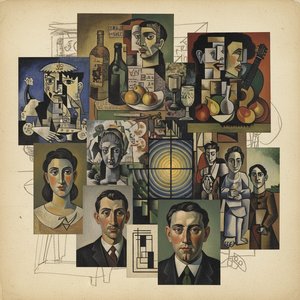
Cubism's Revolution: 10 Masterpieces That Redefined Modern Art | TopImpressionists
Explore 10 Cubist masterpieces by Picasso, Braque & more! Delve into the history of this revolutionary art movement. Find museum-quality reproductions and elevate your home decor with TopImpressionists. Discover all masterpieces on TopImpressionists.com
테마, 스타일, 특징별로 분류된 작품들을 만나보세요.


