






























작품의 원본 비율을 유지하는 미리 설정된 크기 중에서 선택하세요.

특정 프레임이나 공간에 맞도록 직접 크기를 입력할 수 있습니다. 선택하신 크기가 원본 이미지의 비율과 일치하지 않는 경우, 작품을 자르거나 추가적인 손으로 그린 요소를 사용하여 그림을 확장합니다. 제작 시작 전 승인을 위해 디지털 목업을 보내드립니다.
화면 미리 보기는 실제 자르기 또는 확장을 반영하지 않습니다. 최종 구성은 목업을 통해서만 정확하게 확인하실 수 있습니다.
맞춤 크기 제작도 가능하지만, 원본 비율을 유지하기 위해 사전 정의된 목록에서 크기를 선택하시는 것을 권장합니다.

Head 4
복제본 크기
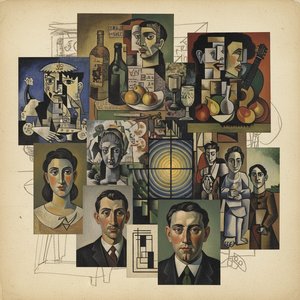
Pablo Picasso's "Head 4," a captivating exploration of duality and the fragmented self, stands as a testament to the artist’s relentless experimentation with form and emotion. This striking image presents a head composed of two distinct faces – one female, one male – an immediately arresting visual paradox that invites prolonged contemplation. The painting’s power lies not just in its subject matter but also in Picasso's masterful manipulation of color, texture, and the unsettling arrangement of multiple eyes, creating a deeply layered and psychologically resonant work.
"Head 4" firmly establishes itself within the context of Picasso’s pivotal contribution to Cubism. Emerging in the early years of the 20th century, Cubism sought to dismantle traditional notions of perspective and representation, presenting subjects from multiple viewpoints simultaneously. Picasso, alongside Georges Braque, pioneered this revolutionary style, moving away from single-point perspective towards a fractured, geometric approach. In "Head 4," we witness this technique employed with remarkable intensity; the faces are not simply depicted as unified entities but rather broken down into their constituent parts, reassembled in an unsettling and dynamic composition. The deliberate distortion of form reflects a broader artistic movement challenging viewers to reconsider how they perceive reality.
The pairing of male and female faces within "Head 4" is laden with symbolic weight. It’s widely interpreted as an exploration of the inherent tensions between masculinity and femininity, or perhaps a broader meditation on the complexities of human identity. The proliferation of eyes throughout the canvas adds another layer of meaning. Eyes are universally recognized as windows to the soul, yet here they appear multiplied and often averted, suggesting a sense of isolation, anxiety, or even madness. This repetition evokes themes of mortality and the fragility of consciousness – recurring motifs in Picasso’s oeuvre, particularly following the loss of his sister. The work can be seen as a visual representation of the internal struggle between opposing forces within the human psyche.
Picasso's technique in "Head 4" is characterized by bold, expressive brushstrokes and a vibrant palette. He employs contrasting colors – cool blues and greens juxtaposed with warm reds and yellows – to heighten the visual impact and emphasize the duality of the subject matter. The layering of paint creates a rich textural surface, inviting tactile engagement even through a reproduction. The artist’s use of impasto—thickly applied paint—adds further dynamism and emphasizes the fragmented nature of the composition. This meticulous attention to detail, combined with his innovative approach to form, demonstrates Picasso's mastery of oil painting techniques.
"Head 4" is not a comfortable image; it’s deliberately unsettling and thought-provoking. Its enduring appeal lies in its ability to tap into fundamental human anxieties about identity, perception, and the nature of reality. As one of Picasso's most enigmatic works, "Head 4" continues to fascinate and challenge viewers decades after its creation. A hand-painted reproduction offers a unique opportunity to experience this powerful artwork firsthand, appreciating the genius of Picasso’s vision and his profound impact on the course of modern art.

1881 - 1973 , 스페인
Explore 10 Cubist masterpieces by Picasso, Braque & more! Delve into the history of this revolutionary art movement. Find museum-quality reproductions and elevate your home decor with TopImpressionists. Discover all masterpieces on TopImpressionists.com

피카소, 브라크의 큐비즘 걸작 10선! 혁신적인 예술 세계를 만나보세요. 각 작품의 숨겨진 이야기와 감동을 TopImpressionists에서 경험하고, 당신의 공간에 특별한 예술적 영감을 더하세요. 지금 바로 TopImpressionists.com에서 모든 명작을 발견해보세요!

조르주 브라크의 시대를 초월한 25개의 걸작을 만나보세요. 입체주의를 개척한 프랑스 화가의 예술 세계와 숨겨진 이야기를 TopImpressionists에서 감상하고, 명작 유화 복제본으로 공간에 특별함을 더하세요. 지금 바로 컬렉션을 탐험하세요!

Explore 10 legendary 'Acrylic on Paper' masterpieces by artists like Helen Frankenthaler & Gerhard Richter. Discover abstract expressionism, color field painting & the evolution of modern art. Find museum-quality reproductions for your home at TopImpressionists.com.

AI 기반으로 스냅사진을 모네, 반 고흐, 피카소 스타일의 명작으로 변환하는 방법! TopImpressionists.com에서 예술적 영감을 얻고 맞춤형 작품을 제작해보세요. 전문가 컨설팅 제공.


최신 미술 뉴스, 특별 혜택 및 인테리어 아이디어를 가장 먼저 만나보세요.
프로젝트에 대해 알려주시면 저희 미술 전문가들이 맞춤형 아트 제안 3가지를 전달해 드립니다.
당신만을 위한 맞춤형 옵션 3가지를 무료로 추천해 드립니다!

 Preview
 프린트 구매하기
 공유하기
공유하기 공유하기
공유하기
 상세 정보
상세 정보

 다운로드
다운로드
 유사 작품
유사 작품 X-레이
X-레이 슬라이드 쇼

 더 보기
더 보기









 유리 옵션은 110cm 미만 크기에서만 선택 가능합니다.


