
빠른 제작과 다양한 마감 옵션을 제공하는 박물관 품질의 지클레이 또는 캔버스 프린트. ( 손으로 그린 그림 구매 이미지 구매)





























작품의 원본 비율을 유지하는 미리 설정된 크기 중에서 선택하세요.

특정 프레임이나 공간에 맞춰 직접 치수를 입력하실 수 있습니다. 선택하신 사이즈가 원본 이미지의 비율과 일치하지 않을 경우, 작품을 크롭(자르기)하거나 이미지를 대칭 또는 단색 채우기로 확장하여 제작합니다. 제작 시작 전, 최종 확인을 위해 디지털 목업이 전송됩니다.
화면상의 미리보기는 실제 크롭이나 확장 상태를 반영하지 않으므로, 최종 구도는 오직 목업을 통해서만 정확하게 확인하실 수 있습니다.
맞춤 사이즈 제작도 가능하지만, 원본 비율을 유지하기 위해서는 사전 정의된 목록에서 치수를 선택하시는 것을 권장합니다.

La jupe rouge
복제본 크기
“La Jupe Rouge” – “The Red Skirt” – is more than just a painting; it's a visceral distillation of emotion, a masterclass in Cubist fragmentation, and a poignant exploration of human vulnerability. Created in 1901 by Pablo Picasso during his formative years in Barcelona, this oil on canvas offers a glimpse into the artist’s burgeoning style and his nascent ability to convey profound psychological depth through seemingly simple forms. The work immediately draws the viewer in with its arresting simplicity: a woman, draped in a vibrant red garment, her hands pressed against her face, radiating an aura of quiet despair. It's a scene both intimate and unsettling, a snapshot of raw emotion rendered with Picasso’s signature innovative approach.
Picasso was deeply influenced by the artistic currents swirling around him at the time – the works of Velázquez and Goya, particularly their use of light and shadow to create dramatic effects, as well as the emerging ideas of Cézanne regarding form and space. However, he quickly moved beyond mere imitation, developing a distinctly personal style that would revolutionize European art. ‘La Jupe Rouge’ exemplifies this transition, showcasing his early experiments with Cubism, a movement he co-founded with Georges Braque. The painting isn't about literal representation; instead, it deconstructs the figure into geometric shapes and planes, presenting multiple perspectives simultaneously. This fragmentation is not arbitrary; it serves to heighten the sense of disorientation and emotional turmoil that permeates the scene.
‘La Jupe Rouge’ firmly establishes Picasso within the realm of Analytical Cubism, a phase characterized by an intense focus on dissecting objects into their fundamental geometric components. The background element – often interpreted as a vase or bottle – is rendered with similar meticulous detail, appearing almost like a separate entity superimposed upon the figure. This technique forces the viewer to actively engage with the painting, piecing together the fragmented image and reconstructing it in their own mind. Unlike later Synthetic Cubism, which incorporated brighter colors and collage elements, Analytical Cubism prioritizes monochrome palettes and a relentless pursuit of formal analysis.
The use of muted tones – predominantly blues and browns – contributes significantly to the painting’s somber mood. Picasso masterfully employs chiaroscuro, contrasting areas of light and shadow to sculpt the figure's form and emphasize her emotional state. The red skirt itself acts as a powerful visual anchor, drawing attention to the woman’s posture and adding a touch of dramatic intensity to the composition. It is a bold color choice that immediately commands the viewer's eye, suggesting both passion and perhaps even vulnerability.
Beyond its formal innovations, ‘La Jupe Rouge’ is rich in symbolic meaning. The woman’s posture – hands pressed against her face – universally represents grief, sorrow, or introspection. Her obscured eyes suggest a desire to shut out the world, while her downward gaze hints at a profound sense of despair. While Picasso himself rarely offered explicit interpretations of his work, art historians have suggested that the painting may be linked to themes of loss and loneliness prevalent during this period of his life.
The choice of a red skirt is particularly significant. Red is often associated with passion, love, and vitality, yet in this context, it seems to carry a darker connotation – perhaps representing the fading embers of lost affection or the pain of unfulfilled desires. The juxtaposition of this vibrant color against the muted background creates a compelling tension, amplifying the painting’s emotional impact.
‘La Jupe Rouge’ stands as a pivotal work in Picasso's artistic development and a cornerstone of Cubist theory. Its innovative use of fragmentation, its masterful manipulation of light and shadow, and its profound exploration of human emotion continue to resonate with viewers today. The painting’s influence can be seen in the works of countless artists who followed in Picasso’s footsteps, solidifying his place as one of the most important figures in 20th-century art. Reproductions of ‘La Jupe Rouge’, meticulously crafted by TopImpressionists.com, offer a remarkable opportunity to experience this iconic masterpiece firsthand, bringing its evocative power and artistic brilliance into your own space.

1881 - 1973 , 스페인

파블로 피카소의 시대를 초월하는 25개의 걸작을 만나보세요. 입체주의부터 꿈까지, 각 작품에 담긴 예술과 영감을 TopImpressionists에서 감상하세요. 고품질 유화와 판화를 소장하고 특별한 공간을 완성해보세요! 지금 바로 TopImpressionists.com에서 컬렉션을 탐험하세요.

Explore the rich symbolism of the red dress in art history! From ancient power displays to iconic portraits like Cézanne’s 'Madame Cezanne', discover the cultural and artistic significance behind this captivating color. Expert analysis & insights.
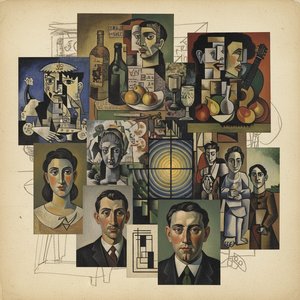
Explore 10 Cubist masterpieces by Picasso, Braque & more! Delve into the history of this revolutionary art movement. Find museum-quality reproductions and elevate your home decor with TopImpressionists. Discover all masterpieces on TopImpressionists.com

피카소, 브라크의 큐비즘 걸작 10선! 혁신적인 예술 세계를 만나보세요. 각 작품의 숨겨진 이야기와 감동을 TopImpressionists에서 경험하고, 당신의 공간에 특별한 예술적 영감을 더하세요. 지금 바로 TopImpressionists.com에서 모든 명작을 발견해보세요!

Explore the revolutionary world of Cubism. Discover how masters Pablo Picasso and Georges Braque dismantled reality through geometric abstraction to redefine modern art history.


최신 미술 뉴스, 특별 혜택 및 인테리어 아이디어를 가장 먼저 만나보세요.
프로젝트에 대해 알려주시면 저희 미술 전문가들이 맞춤형 아트 제안 3가지를 전달해 드립니다.
당신만을 위한 맞춤형 옵션 3가지를 무료로 추천해 드립니다!


 미리보기
미리보기
 공유하기
공유하기 공유하기
공유하기
 상세 정보
상세 정보

 다운로드
다운로드
 유사 작품
유사 작품 X-레이
X-레이 슬라이드 쇼

 더 보기
더 보기









 유리 옵션은 110cm 미만 크기에서만 선택 가능합니다.


