
빠른 제작과 다양한 마감 옵션을 제공하는 박물관 품질의 지클레이 또는 캔버스 프린트. ( 손으로 그린 그림 구매 이미지 구매)





























작품의 원본 비율을 유지하는 미리 설정된 크기 중에서 선택하세요.

특정 프레임이나 공간에 맞춰 직접 치수를 입력하실 수 있습니다. 선택하신 사이즈가 원본 이미지의 비율과 일치하지 않을 경우, 작품을 크롭(자르기)하거나 이미지를 대칭 또는 단색 채우기로 확장하여 제작합니다. 제작 시작 전, 최종 확인을 위해 디지털 목업이 전송됩니다.
화면상의 미리보기는 실제 크롭이나 확장 상태를 반영하지 않으므로, 최종 구도는 오직 목업을 통해서만 정확하게 확인하실 수 있습니다.
맞춤 사이즈 제작도 가능하지만, 원본 비율을 유지하기 위해서는 사전 정의된 목록에서 치수를 선택하시는 것을 권장합니다.

Le Gourmet
복제본 크기
Pablo Picasso's "Le Gourmet," painted in 1901 during his intensely evocative Blue Period, isn’t merely a portrait; it’s a poignant distillation of loneliness, poverty, and the quiet dignity of everyday existence. This seemingly simple depiction of a young girl seated at a table offers a profound glimpse into the artist's evolving worldview and his masterful manipulation of color and form. The painting, currently residing in the National Gallery of Art in Washington D.C., immediately draws the viewer in with its cool, monochromatic palette – primarily shades of blue, punctuated by subtle hints of brown and tawny yellow. This deliberate restriction of hues creates a mood of melancholy and introspection, mirroring the subject’s apparent isolation.
The girl herself is rendered with remarkable sensitivity. Her high forehead, snub nose, and rounded chin—features often associated with poverty and hardship—are presented not as markers of despair but rather as elements of her inherent beauty. Picasso's use of short, broken brushstrokes imbues the figure with a sense of fragility and vulnerability. Notice how he emphasizes her hands, delicately holding the bowl and spoon, suggesting a moment of quiet contemplation amidst a difficult reality. The simple act of eating becomes an emblem of survival, a small pleasure in a world devoid of warmth or comfort.
“Le Gourmet” is firmly rooted within the artist's Blue Period, a time marked by profound personal loss and a shift in artistic focus. Following the death of his sister, Fernande, Picasso experienced a period of intense grief and disillusionment. This emotional turmoil profoundly influenced his work, leading him to adopt a predominantly blue palette – symbolizing sorrow, melancholy, and spiritual suffering. The Blue Period wasn’t simply about depicting sadness; it was an attempt to grapple with mortality and the human condition through art. It's important to note that Picasso deliberately avoided overtly dramatic or violent imagery during this period, instead opting for scenes of quiet desperation and understated emotion.
The choice of blue is particularly significant in “Le Gourmet.” The cool tones evoke a sense of detachment and isolation, reflecting the girl’s solitary existence. However, within this somber atmosphere, subtle hints of warmth—the pink of her lips and cheeks, the tawny yellow of the bowl—suggest a flicker of hope or resilience. Picasso masterfully balances these contrasting elements, creating a complex and layered emotional experience for the viewer.
Picasso’s compositional choices further enhance the painting's impact. The vertical format emphasizes the girl’s stature, drawing attention to her face and hands—the focal points of the image. The table, extending diagonally into the scene, creates a sense of depth and anchors the subject within a confined space. The inclusion of the other figures – a man standing behind her and another in the background – subtly suggests a wider social context, hinting at the girl’s vulnerability within a larger community.
Technically, “Le Gourmet” showcases Picasso's developing skills as a painter. He employs a technique characterized by loose brushwork and a deliberate lack of detail, prioritizing emotional expression over precise representation. The use of overlapping planes and flattened perspective—a hallmark of early Cubism—creates an intriguing sense of spatial ambiguity. The painting’s surface is textured with visible brushstrokes, adding to its tactile quality and reinforcing the artist's expressive intent.
Beyond its immediate depiction of poverty and loneliness, “Le Gourmet” resonates with broader symbolic themes. The act of eating represents sustenance—both physical and emotional—a fundamental human need often denied to those marginalized by society. The girl’s quiet dignity in the face of adversity speaks to the resilience of the human spirit.
Picasso's “Le Gourmet” remains a powerful testament to his artistic genius and his ability to capture profound emotions through deceptively simple imagery. It is a poignant reminder of the struggles faced by vulnerable populations and a celebration of the enduring beauty found even in moments of quiet solitude. TopImpressionists offers meticulously crafted, hand-painted reproductions that faithfully recreate this iconic masterpiece, allowing you to experience its emotional depth and artistic brilliance firsthand.

1881 - 1973 , 스페인

파블로 피카소의 시대를 초월하는 25개의 걸작을 만나보세요. 입체주의부터 꿈까지, 각 작품에 담긴 예술과 영감을 TopImpressionists에서 감상하세요. 고품질 유화와 판화를 소장하고 특별한 공간을 완성해보세요! 지금 바로 TopImpressionists.com에서 컬렉션을 탐험하세요.

Immerse yourself in the captivating world of slate blue! Explore 10 iconic paintings by Monet, Van Gogh & Renoir. Discover their stories, techniques & find museum-quality art reproductions for your home at .

Transform your home with soulful blue art. From serene Monet impressions to modern textured sculptures, discover curated masterpieces designed to inspire calm. Explore expert art consultations and bespoke hand-painted reproductions to create your personal sanctuary.
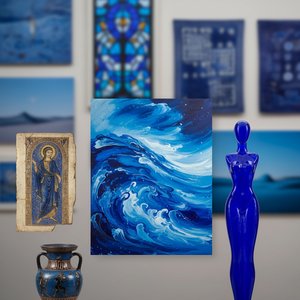
Explore the rich history of blue in art! Discover its symbolism, from ancient pigments to modern masterpieces by Kandinsky & Seurat. Uncover the psychological impact and cultural meanings behind this captivating hue.
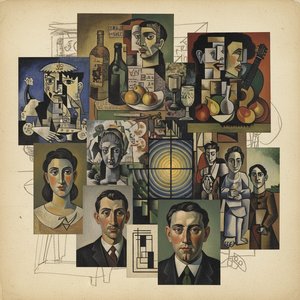
Explore 10 Cubist masterpieces by Picasso, Braque & more! Delve into the history of this revolutionary art movement. Find museum-quality reproductions and elevate your home decor with TopImpressionists. Discover all masterpieces on TopImpressionists.com


최신 미술 뉴스, 특별 혜택 및 인테리어 아이디어를 가장 먼저 만나보세요.
프로젝트에 대해 알려주시면 저희 미술 전문가들이 맞춤형 아트 제안 3가지를 전달해 드립니다.
당신만을 위한 맞춤형 옵션 3가지를 무료로 추천해 드립니다!


 미리보기
미리보기
 공유하기
공유하기 공유하기
공유하기
 상세 정보
상세 정보

 다운로드
다운로드
 유사 작품
유사 작품 X-레이
X-레이 슬라이드 쇼
 더 보기
더 보기









 유리 옵션은 110cm 미만 크기에서만 선택 가능합니다.


