


 미리보기
미리보기
 공유하기
공유하기 공유하기
공유하기
 상세 정보
상세 정보 가이드 보기

 다운로드
다운로드
 유사 작품
유사 작품 X-레이
X-레이 슬라이드 쇼
 통계 정보
통계 정보Peace

Experience 'Peace' by Pablo Picasso – a powerful anti-war masterpiece depicting suffering and resilience through bold colors & fragmented forms. A timeless symbol of humanity’s struggle for harmony.
 더 보기
더 보기
피카소(1881-1973)는 입체주의를 창시하고 구르니카와 아비뇽의 처녀들 등 혁신적인 작품으로 20세기 미술에 지대한 영향을 미친 스페인 화가입니다. 다양한 스타일을 섭렵하며 현대 미술의 거장이 되었습니다.
수제 유화 복제품
원하는 크기와 액자로 주문 제작되는, 작가들이 직접 캔버스에 손으로 그린 유화 작품입니다. ( 프린트 판매로 전환 디지털 이미지로 전환)




P118B $10

P118H $10

P118W $10

P438Z $10

P508JH $12

P508YH $12

P805H $10

P805Z $10

P919BZ $10

P919G $10

P919XJ $10

P959ZH $10

P968JZ $12

W106C $8

W218G $10

W218JH $8

W218Y $10

W307PJ $10

W316G $10

W316PJ $8

W316Y $10

W398PJ $8

W4111J $10

W500HY $15

W500JH $15

W692G $12

W849H $8

W940BG $15

W953PJ $8




표준 규격
맞춤형
CM
INCH
작품의 원본 비율을 유지하는 미리 설정된 크기 중에서 선택하세요.
Loading sizes...

가로 너비
세로 길이
특정 프레임이나 공간에 맞도록 직접 크기를 입력할 수 있습니다. 선택하신 크기가 원본 이미지의 비율과 일치하지 않는 경우, 작품을 자르거나 추가적인 손으로 그린 요소를 사용하여 그림을 확장합니다. 제작 시작 전 승인을 위해 디지털 목업을 보내드립니다.
화면 미리 보기는 실제 자르기 또는 확장을 반영하지 않습니다. 최종 구성은 목업을 통해서만 정확하게 확인하실 수 있습니다.
맞춤 크기 제작도 가능하지만, 원본 비율을 유지하기 위해 사전 정의된 목록에서 크기를 선택하시는 것을 권장합니다.
변경 가능한 예시: 얼굴을 고객의 사진으로 교체, 반려동물 추가(예: 고양이를 강아지로 변경), 배경에 숨겨진 메시지 삽입, 배경 풍경 또는 요소 변경 등
주문 후 TopImpressionists.com 팀에서 상세 안내를 위해 고객님께 이메일을 보내드리며, 미리보기 시안을 제공해 드립니다.
주문 후 TopImpressionists.com 팀에서 상세 안내를 위해 고객님께 이메일을 보내드리며, 미리보기 시안을 제공해 드립니다.


 유리 옵션은 110cm 미만 크기에서만 선택 가능합니다.

Peace
재현 기법
복제본 크기
-


최종 결제 금액
$ 269
The Genesis of a Symbol: Pablo Picasso’s “Peace”
Pablo Picasso's 1949 lithograph, "Peace," isn’t merely a depiction of a dove; it’s an embodiment of hope forged in the crucible of wartime devastation. Born from a commission for the Paris International Exposition, this work transcends its initial purpose as a poster to become one of the most enduring and universally recognized symbols of peace ever created. Picasso, deeply affected by the horrors of World War II and the burgeoning threat of nuclear conflict, responded with an image that resonated far beyond the confines of political discourse – a simple, yet profoundly moving representation of serenity amidst chaos.
The genesis of this iconic piece is inextricably linked to Picasso’s lifelong fascination with birds. Throughout his career, he frequently depicted them, often imbued with symbolic weight. His early association with Henri Matisse, who gifted him a snow-white pigeon – the model for this particular “Dove of Peace” – cemented this connection. This wasn't simply an artistic whim; it was a deliberate choice to utilize a creature universally associated with gentleness, freedom, and innocence. The selection of a dove as the emblem for peace speaks volumes about Picasso’s belief in the potential for harmony and reconciliation, even in the darkest of times.
Deconstructing the Image: Form and Technique
Unlike the more detailed and expressive “Dove of Peace” created in 1949, this particular iteration is strikingly minimalist. The composition relies heavily on stark black lines against a white background, creating an almost graphic quality. The dove itself is rendered with a simplified, almost childlike style – a deliberate choice that elevates its symbolic power. It’s not a realistic depiction; rather, it's a distilled essence of peace, instantly recognizable and universally understood.
- Line Work: Picasso employs bold, confident lines to define the form of the dove, conveying a sense of strength and stability despite its delicate subject matter.
- Negative Space: The use of negative space – the areas around and between the lines – is crucial to the image’s impact, creating an airy, ethereal quality that reinforces the feeling of serenity.
- Lithograph Technique: As a lithograph, the image was created using a complex process involving stone etching and printing. This technique lends itself perfectly to the clean lines and stark contrasts of the composition, emphasizing its graphic nature.
A Historical Echo: Guernica and the Call for Peace
The creation of “Peace” occurred in the aftermath of World War II, a period marked by unprecedented global conflict and widespread suffering. Picasso’s earlier masterpiece, *Guernica* (1937), painted in response to the bombing of the Basque town of Guernica during the Spanish Civil War, served as a powerful indictment of violence and destruction. The trauma of this event deeply affected Picasso, fueling his desire to create an image that offered a counterpoint to the horrors he had witnessed. “Peace,” therefore, can be seen as a direct response to *Guernica*, representing a yearning for reconciliation and a rejection of war’s devastating consequences.
The timing of its creation – 1949 – coincided with the United Nations' establishment and the growing international movement advocating for peace. Picasso’s image was adopted as an emblem by various peace organizations, further amplifying its message and solidifying its place in the global consciousness. It became a visual shorthand for hope amidst uncertainty, a reminder of humanity’s capacity for compassion and cooperation.
Beyond Representation: The Enduring Legacy
“Peace” is more than just an image; it's a testament to the power of art to transcend political boundaries and speak directly to the human spirit. Its simplicity, combined with its profound symbolism, has ensured its continued relevance across generations. Today, it remains one of the most recognizable symbols of peace in the world – a poignant reminder that even in times of conflict, the pursuit of harmony is always possible. Reproductions of this iconic lithograph continue to be sought after by collectors and interior designers alike, offering a tangible connection to a powerful message of hope and reconciliation.
작가 약력
혁명가의 삶: 파블로 피카소
파블로 루이스 페르난데스 데 파우라 히곤 라미레스 데 라 사티시마 트리니다드 루이즈 이 피카소, 줄여서 파블로 피카소는 20세기 미술의 지형을 완전히 바꿔놓은 스페인의 화가이자 조각가였습니다. 1881년 10월 25일 스페인 말라가에서 태어난 그는 어린 시절부터 그림에 천부적인 재능을 보였으며, 아버지 호세 루이스 블라스코의 지도를 받으며 미술 교육을 시작했습니다. 피카소의 삶은 끊임없는 실험과 혁신의 여정이었고, 그의 작품들은 시대의 변화를 반영하며 현대 미술의 새로운 가능성을 제시했습니다. 어린 시절부터 보여준 자연주의적 재능은 빠르게 발전하여, 그는 전통적인 회화 기법을 넘어 자신만의 독창적인 예술 세계를 구축해 나갔습니다. 가족과 함께 코루냐와 바르셀로나로 이주하면서 겪었던 개인적인 비극들은 그의 작품에 슬픔과 죽음이라는 주제를 깊숙이 새겨 넣었습니다.푸른 시대와 장밋빛 시대: 감정의 파노라마
20세기 초, 피카소는 예술 세계에 두 가지 중요한 시대를 선사했습니다. 바로 ‘푸른 시대(1901-1904)’와 ‘장밋빛 시대(1904-1906)’입니다. 푸른 시대는 개인적인 고통과 사회적 고난 속에서 탄생한 것으로, 깊은 푸르름과 청록색이 지배하는 그림들로 특징지어집니다. 이 시기의 작품에는 소외된 사람들 – 구걸쟁이, 맹인, 매춘부 – 가 등장하며, 그들의 고독과 절망을 섬세하게 표현하고 있습니다. 대표작인 <라 비(La Vie)>와 <낡은 기타리스트(The Old Guitarist)>는 이 시대의 감정을 극적으로 보여주는 작품들입니다. 그러나 개인적인 삶의 변화와 파리에 정착하면서, 피카소는 장밋빛 시대로 접어듭니다. 팔레트는 분홍색, 주황색, 빨간색 등 따뜻한 색조로 채워졌고, 그의 그림은 이전보다 훨씬 낙관적이고 생기 넘치는 분위기를 자아냈습니다. 특히 서커스 단원들을 소재로 한 작품들은 이 시대의 대표적인 특징을 잘 보여줍니다. <곡예사 가족(Family of Saltimbanques)>은 이러한 변화를 엿볼 수 있는 아름다운 작품입니다.입체주의 혁명: 시각적 현실의 해체와 재구성
1907년, 피카소는 예술 역사에 길이 남을 기념비적인 작품 <아비뇽의 처녀들(Les Demoiselles d'Avignon)>을 발표했습니다. 이 작품은 전통적인 원근법과 표현 방식을 완전히 파괴하고 새로운 시각적 언어를 제시하며 입체주의 운동의 시작을 알렸습니다. 조르주 브라크와의 긴밀한 협력을 통해 피카소는 사물을 기하학적인 형태로 분해하고 재구성하는 입체주의를 발전시켰습니다. 분석적 입체주의(1909-1912)는 제한된 색상 팔레트를 사용하여 사물의 형태를 해부학적으로 묘사한 반면, 종합적 입체주의(1912-1919)는 신문 조각이나 천 조각과 같은 콜라주 요소를 도입하여 작품에 새로운 질감과 복잡성을 더했습니다. 피카소는 단순히 세상을 재현하는 것을 넘어, 그것을 해체하고 자신만의 방식으로 재구성함으로써 현대 미술의 새로운 지평을 열었습니다.끊임없는 실험 정신: 신고전주의, 초현실주의 그리고 전쟁
1920년대에는 잠시 신고전주의 양식을 탐구하며 웅장한 인물들을 창조하기도 했습니다. 동시에 피카소는 떠오르는 초현실주의 운동과도 교류했지만, 그 흐름에 완전히 동화되지는 않았습니다. 이 시기의 작품들은 이전의 스타일적 영향과 초현실적인 이미지, 왜곡된 원근법이 혼합되어 그의 끊임없는 실험 정신을 보여줍니다. 스페인 내전의 참상은 피카소에게 깊은 영향을 미쳤고, 그는 그 고통스러운 현실에 대한 분노와 슬픔을 <게르니카(Guernica)>라는 거대한 작품으로 표현했습니다. 이 작품은 전쟁의 비극과 폭력성을 생생하게 묘사하며 평화와 사회 정의를 위한 강력한 메시지를 전달합니다. 1950년대와 60년대에도 피카소는 도자, 조각, 판화 등 다양한 매체를 탐구하며 예술적 경계를 넓혀갔습니다. 1961년 자클린 루크와의 결혼은 그의 개인적인 삶과 예술적 표현에 새로운 영감을 불어넣었습니다.불멸의 유산
1973년 4월 8일, 피카소는 프랑스 무앙에서 세상을 떠났지만, 그가 남긴 작품들은 여전히 우리에게 깊은 감동과 영감을 선사합니다. 그의 예술적 영향력은 현대 미술 전반에 걸쳐 광범위하게 퍼져 있으며, 수많은 후대 화가들에게 지대한 영향을 미쳤습니다. 5만 개 이상의 작품을 남긴 피카소는 단순한 화가를 넘어 시대의 혁신가이자 예술계의 거인이었습니다. 그의 삶과 작품은 끊임없는 도전과 실험 정신을 통해 현대 미술의 새로운 가능성을 제시했으며, 오늘날까지도 전 세계 사람들에게 영감을 주고 있습니다.
피카소
1881 - 1973 , 스페인
주요 정보
- 국적: 스페인
- 대표작:
- 레 데미젤 딩 아비뇽
- 게르니카
- 늙은 기타리스트
- 사망일: 1973년 4월 8일
- 출생일: 1881년 10월 25일
- 출생지: 말라가, 스페인
관련 기사 더 보기

Cubism Unveiled: How Picasso and Braque Redefined Modern Art through Geometric Revolution
Explore the revolutionary world of Cubism. Discover how Pablo Picasso and Georges Braque dismantled perspective to redefine modern art through geometric innovation and analytical mastery. An essential guide for art students, collectors, and history enthusiasts.

Cubism Unveiled: How Picasso and Braque Redefined Reality Through Geometric Abstraction
Explore the revolutionary world of Cubism. Discover how masters Pablo Picasso and Georges Braque dismantled reality through geometric abstraction to redefine modern art history.

Cubism Explained: How Picasso and Braque Shattered Reality to Redefine Modern Art
Master the complexities of Cubism with our expert guide. Explore how Picasso and Braque revolutionized modern art through fragmentation, multiple perspectives, and geometric innovation. Perfect for art students and collectors seeking deep historical insight.

Pablo Picasso: A Revolutionary Vision – Cubism, Symbolism & Enduring Legacy
Explore the revolutionary art of Pablo Picasso with TopImpressionists.com. Discover Cubism's origins, symbolism in his masterpieces & investment insights for collectors. Expert appraisal & custom reproductions available.
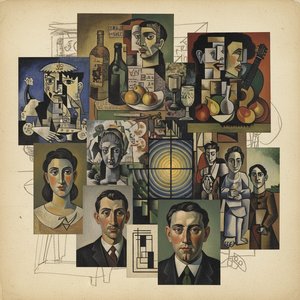
Cubism's Revolution: 10 Masterpieces That Redefined Modern Art | TopImpressionists
Explore 10 Cubist masterpieces by Picasso, Braque & more! Delve into the history of this revolutionary art movement. Find museum-quality reproductions and elevate your home decor with TopImpressionists. Discover all masterpieces on TopImpressionists.com
테마, 스타일 및 특징별로 분류된 작품들을 만나보세요.


