
빠른 제작과 다양한 마감 옵션을 제공하는 박물관 품질의 지클레이 또는 캔버스 프린트. ( 손으로 그린 그림 구매 이미지 구매)





























작품의 원본 비율을 유지하는 미리 설정된 크기 중에서 선택하세요.

특정 프레임이나 공간에 맞춰 직접 치수를 입력하실 수 있습니다. 선택하신 사이즈가 원본 이미지의 비율과 일치하지 않을 경우, 작품을 크롭(자르기)하거나 이미지를 대칭 또는 단색 채우기로 확장하여 제작합니다. 제작 시작 전, 최종 확인을 위해 디지털 목업이 전송됩니다.
화면상의 미리보기는 실제 크롭이나 확장 상태를 반영하지 않으므로, 최종 구도는 오직 목업을 통해서만 정확하게 확인하실 수 있습니다.
맞춤 사이즈 제작도 가능하지만, 원본 비율을 유지하기 위해서는 사전 정의된 목록에서 치수를 선택하시는 것을 권장합니다.

Science and Charity
복제본 크기
Pablo Picasso’s *Science and Charity*, painted in 1897 at the tender age of fifteen, stands as an arresting testament to his burgeoning artistic vision—a pivotal work that foreshadowed the revolutionary trajectory of Cubism. Born in Málaga, Spain, Picasso’s formative years were marked by profound familial loss; the untimely death of his sister Conchita from diphtheria profoundly impacted him and fueled a lifelong preoccupation with themes of suffering and compassion.
The painting depicts a solemn scene: a physician examining a sick woman while a nun offers solace. This juxtaposition immediately establishes a dialogue between reason and faith—a central concern within Picasso’s oeuvre during this period, mirroring the anxieties surrounding medical advancements amidst societal hardships. The cholera epidemic gripping Barcelona served as a catalyst for artistic reflection, prompting artists to grapple with questions of mortality and human vulnerability.
Picasso's stylistic choices reflect his absorption in academic tradition—a deliberate decision informed by his father’s influence and the prevailing artistic currents of the late nineteenth century. However, beneath the surface lies an experimental spirit, evident in the fragmented forms and muted palette characteristic of Picasso’s nascent exploration of Cubism.
The painting’s significance extends beyond its formal qualities; it embodies Picasso's profound empathy for human suffering—a sentiment powerfully conveyed through the expressive gestures of the figures. As Picasso himself noted, “At the end of the road death waits for everyone, even though the rich go in carriages and the poor on foot.” This poignant observation encapsulates the artist’s humanist perspective and underscores the enduring relevance of *Science and Charity* as a masterpiece of early modern art.
Located in Sala 03 of Museo Picasso, Barcelona, this iconic artwork continues to inspire admiration for its innovative style and emotional depth. Explore more about Pablo Picasso's artistic journey and his contribution to Cubism on Museo Picasso’s Official Website.

1881 - 1973 , 스페인
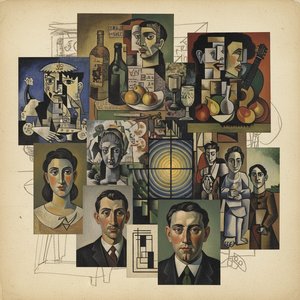
Explore 10 Cubist masterpieces by Picasso, Braque & more! Delve into the history of this revolutionary art movement. Find museum-quality reproductions and elevate your home decor with TopImpressionists. Discover all masterpieces on TopImpressionists.com

Explore 10 revolutionary Cubist portraits by Picasso, Braque & more! Discover the stories behind these iconic paintings and how they shaped modern art. Find museum-quality reproductions to elevate your home decor on TopImpressionists.com.

Explore 10 Cubist masterpieces by Picasso, Braque & more! Discover the stories behind these revolutionary paintings and their impact on modern art. Find museum-quality reproductions for your home at TopImpressionists.com – where art comes to life.

Explore the revolutionary art of Pablo Picasso with TopImpressionists.com. Discover Cubism's origins, symbolism in his masterpieces & investment insights for collectors. Expert appraisal & custom reproductions available.

Explore the profound evolution of Cubism through an expert analysis of Pablo Picasso's revolutionary works. From Analytical to Synthetic Cubism, discover the techniques that redefined modern art and learn how to curate these iconic masterpieces for your private collection.


최신 미술 뉴스, 특별 혜택 및 인테리어 아이디어를 가장 먼저 만나보세요.
프로젝트에 대해 알려주시면 저희 미술 전문가들이 맞춤형 아트 제안 3가지를 전달해 드립니다.
당신만을 위한 맞춤형 옵션 3가지를 무료로 추천해 드립니다!


 미리보기
미리보기
 공유하기
공유하기 공유하기
공유하기
 상세 정보
상세 정보

 다운로드
다운로드
 유사 작품
유사 작품 X-레이
X-레이 슬라이드 쇼
 더 보기
더 보기









 유리 옵션은 110cm 미만 크기에서만 선택 가능합니다.


