






























작품의 원본 비율을 유지하는 미리 설정된 크기 중에서 선택하세요.

특정 프레임이나 공간에 맞춰 직접 치수를 입력하실 수 있습니다. 선택하신 사이즈가 원본 이미지의 비율과 일치하지 않을 경우, 작품을 크롭(자르기)하거나 이미지를 대칭 또는 단색 채우기로 확장하여 제작합니다. 제작 시작 전, 최종 확인을 위해 디지털 목업이 전송됩니다.
화면상의 미리보기는 실제 크롭이나 확장 상태를 반영하지 않으므로, 최종 구도는 오직 목업을 통해서만 정확하게 확인하실 수 있습니다.
맞춤 사이즈 제작도 가능하지만, 원본 비율을 유지하기 위해서는 사전 정의된 목록에서 치수를 선택하시는 것을 권장합니다.

Seated harlequin
복제본 크기
Pablo Picasso's "Seated Harlequin," painted in 1923, is more than just a portrait; it’s a poignant exploration of melancholy and the complexities of human emotion rendered through the lens of Cubism. This artwork, housed within the Museum Folkwang, exemplifies Picasso's mastery of fragmented forms and his ability to convey profound feelings with seemingly abstract shapes.
The harlequin figure itself is rich in symbolic meaning. Traditionally a comedic character from commedia dell’arte, the harlequin represents duality – a blend of joy and sorrow, masking and revelation. Picasso's choice to depict this figure seated and withdrawn subverts the usual jovial portrayal. The slumped posture and downcast gaze suggest introspection and perhaps even loneliness. The costume, with its fragmented diamond patterns, visually reinforces the theme of brokenness and multifaceted identity. It’s a departure from the typical celebratory depiction, transforming the harlequin into a symbol of quiet contemplation.
“Seated Harlequin” is a prime example of Picasso's Cubist style, particularly his Synthetic Cubism phase. Unlike Analytical Cubism which focused on dissecting objects into their component parts, Synthetic Cubism reassembled these fragments to create new forms and perspectives. Notice how the figure isn’t rendered realistically; instead, it’s composed of geometric shapes – triangles, rectangles, and curves – arranged in a flattened space. The use of muted colors—primarily blues, browns, and ochres—further contributes to the painting's somber mood. The overlapping planes create a sense of depth while simultaneously denying traditional perspective. This deliberate distortion forces the viewer to actively engage with the artwork, piecing together the image and interpreting its meaning.
Painted in 1923, "Seated Harlequin" reflects a period of personal change for Picasso. His relationship with his first wife, Olga Khokhlova, was strained, and he was exploring new artistic directions. The harlequin figure can be interpreted as an autobiographical representation – a reflection of Picasso’s own internal struggles and the complexities of his emotional life. The artwork emerged during a time when Cubism had already revolutionized art but continued to evolve, pushing boundaries and challenging conventional notions of representation. It stands as a testament to Picasso's ongoing experimentation and his ability to adapt and innovate within his established style.
Despite its abstract nature, "Seated Harlequin" evokes a powerful emotional response. The painting’s quiet sadness is palpable; the figure seems lost in thought, burdened by an unspoken weight. The fragmented forms mirror the fractured state of mind, creating a sense of vulnerability and introspection. This artwork isn't about outward expression but rather about conveying inner turmoil through visual language. It invites viewers to contemplate themes of isolation, identity, and the complexities of human emotion – making it a timeless masterpiece that continues to resonate with audiences today.

1881 - 1973 , 스페인

파블로 피카소의 시대를 초월하는 25개의 걸작을 만나보세요. 입체주의부터 꿈까지, 각 작품에 담긴 예술과 영감을 TopImpressionists에서 감상하세요. 고품질 유화와 판화를 소장하고 특별한 공간을 완성해보세요! 지금 바로 TopImpressionists.com에서 컬렉션을 탐험하세요.

Explore 10 revolutionary Cubist portraits by Picasso, Braque & more! Discover the stories behind these iconic paintings and how they shaped modern art. Find museum-quality reproductions to elevate your home decor on TopImpressionists.com.

Explore 10 iconic portrait paintings – from Mona Lisa to Van Gogh’s self-portraits. Discover the stories behind these masterpieces, artistic techniques & find museum-quality art reproductions for your home at TopImpressionists.com.
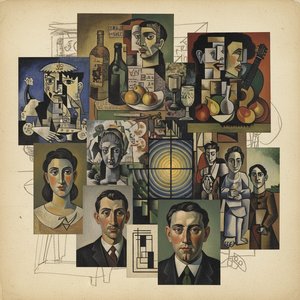
Explore 10 Cubist masterpieces by Picasso, Braque & more! Delve into the history of this revolutionary art movement. Find museum-quality reproductions and elevate your home decor with TopImpressionists. Discover all masterpieces on TopImpressionists.com

프랜시스 베이컨의 강렬하고 파격적인 세계로. 현대 미술 거장의 대표작 25선을 만나보세요. 절망, 고독, 인간 존재에 대한 깊은 성찰을 담은 작품들을 감상하고, TopImpressionists.com에서 최고 품질의 그림 복제본과 인테리어 아이디어를 찾아보세요.


최신 미술 뉴스, 특별 혜택 및 인테리어 아이디어를 가장 먼저 만나보세요.
프로젝트에 대해 알려주시면 저희 미술 전문가들이 맞춤형 아트 제안 3가지를 전달해 드립니다.
당신만을 위한 맞춤형 옵션 3가지를 무료로 추천해 드립니다!

 Preview
 작품 구매하기
 공유하기
공유하기 공유하기
공유하기
 상세 정보
상세 정보

 다운로드
다운로드
 유사 작품
유사 작품 X-레이
X-레이 슬라이드 쇼

 더 보기
더 보기









 유리 옵션은 110cm 미만 크기에서만 선택 가능합니다.


