
원하는 크기와 액자로 주문 제작되는, 작가들이 직접 캔버스에 손으로 그린 유화 작품입니다. ( 프린트 주문으로 전환 이미지로 전환)





























작품의 원본 비율을 유지하는 미리 설정된 크기 중에서 선택하세요.

특정 프레임이나 공간에 맞도록 직접 크기를 입력할 수 있습니다. 선택하신 크기가 원본 이미지의 비율과 일치하지 않는 경우, 작품을 자르거나 추가적인 손으로 그린 요소를 사용하여 그림을 확장합니다. 제작 시작 전 승인을 위해 디지털 목업을 보내드립니다.
화면 미리 보기는 실제 자르기 또는 확장을 반영하지 않습니다. 최종 구성은 목업을 통해서만 정확하게 확인하실 수 있습니다.
맞춤 크기 제작도 가능하지만, 원본 비율을 유지하기 위해 사전 정의된 목록에서 크기를 선택하시는 것을 권장합니다.

Seated nude
복제본 크기
Pablo Picasso's charcoal drawing, "Seated Nude," created in 1906, isn’t merely a depiction of a female figure; it’s a distilled essence of human vulnerability and introspection. This work, born from the fertile ground of Picasso’s early explorations into form and emotion, stands as a testament to his burgeoning Expressionist style – a departure from strict realism towards a more subjective and emotionally charged representation. The drawing captures a woman seated with her head subtly turned away, an act that immediately invites speculation about her thoughts and feelings. It's a pose of quiet contemplation, radiating a sense of both strength and delicate vulnerability.
The stark monochrome palette – shades ranging from deepest black to luminous white – amplifies the drawing’s dramatic impact. Picasso masterfully employs hatching and cross-hatching techniques, layering charcoal strokes to build volume and create an illusion of texture. These meticulous lines aren't intended to perfectly replicate anatomy; instead, they serve to convey a sense of weight, form, and the subtle nuances of light and shadow. The grainy quality of the charcoal itself adds another layer of tactile interest, grounding the image in the physicality of the medium.
Picasso’s lines are anything but precise. They're loose, gestural, and imbued with a dynamic energy that belies the seated posture. These aren’t the clean, defined contours of academic drawing; they’re expressive marks that capture the fleeting quality of movement and emotion. The simplified forms of the figure – particularly her face – emphasize emotional impact over anatomical accuracy. This deliberate distortion contributes to the overall sense of intensity and vulnerability. The dominant shapes are organic, mirroring the curves of the human body, yet Picasso subtly manipulates them, creating a feeling of both solidity and fluidity.
Notice how the background is deliberately minimal – suggesting a chair or bench rather than fully defining it. This strategic choice directs all attention to the central figure, reinforcing her isolation and contemplative state. The lighting, though implied, is directional, casting strong contrasts between light and shadow that sculpt the form and create a powerful sense of depth. The interplay of these elements creates a visual rhythm that draws the viewer into the woman’s internal world.
Created during a pivotal period in Picasso’s artistic development, “Seated Nude” reflects his ongoing exploration of human form and emotion. It aligns with his early interest in Iberian sculpture, which he encountered through an exhibition at the Louvre Museum in 1906. The influence of these ancient carvings is evident in the figure's broad-faced expression, elongated features, and a certain masklike quality – characteristics that Picasso consciously adopted to convey a sense of timelessness and universality. The drawing speaks to themes of melancholy and mortality, subtly echoing the personal tragedies that punctuated his early life.
Beyond its formal qualities, “Seated Nude” resonates with a profound emotional depth. The woman’s posture suggests introspection and quiet contemplation, inviting viewers to project their own feelings and experiences onto her image. It's a powerful reminder of the enduring human capacity for both vulnerability and resilience. This drawing is not simply a portrait; it’s an exploration of the inner landscape of the human spirit.

1881 - 1973 , 스페인

Explore the captivating world of Arturo Souto's abstract expressionism. Discover his unique style, emotional depth, and investment potential – a guide for discerning art collectors.

Explore 10 defining Cubist Expressionism masterpieces by Picasso, Braque & more. Discover the stories behind these bold, geometric paintings and bring museum-quality art to your home with TopImpressionists.com. Explore the full collection online.

에곤 시엘레 최고 걸작 25선을 만나보세요. 표현주의 화가 시엘레의 삶과 죽음, 불안을 담은 인물화 작품들을 감상하고 그 의미를 탐구합니다. TopImpressionists에서 명작 복제본으로 예술적인 공간을 완성하세요. 지금 바로 컬렉션을 확인하세요!
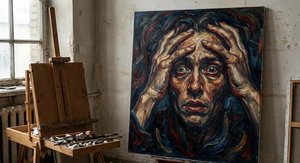
Explore the powerful world of Figurative Expressionism with TopImpressionists. Discover key artists like Kirchner & Beckmann, understand its emotional depth, and learn how to collect this influential 20th-century art movement.

Explore 10 iconic paintings dominated by charcoal tones – from Rembrandt's dramatic chiaroscuro to Goya’s expressive portraits. Discover the stories behind these masterpieces & find museum-quality art reproductions for your home at .


최신 미술 뉴스, 특별 혜택 및 인테리어 아이디어를 가장 먼저 만나보세요.
프로젝트에 대해 알려주시면 저희 미술 전문가들이 맞춤형 아트 제안 3가지를 전달해 드립니다.
당신만을 위한 맞춤형 옵션 3가지를 무료로 추천해 드립니다!


 미리보기
미리보기
 공유하기
공유하기 공유하기
공유하기
 상세 정보
상세 정보

 다운로드
다운로드
 유사 작품
유사 작품 X-레이
X-레이 슬라이드 쇼

 더 보기
더 보기









 유리 옵션은 110cm 미만 크기에서만 선택 가능합니다.


