
원하는 크기와 액자로 주문 제작되는, 작가들이 직접 캔버스에 손으로 그린 유화 작품입니다. ( 프린트 주문으로 전환 이미지로 전환)





























작품의 원본 비율을 유지하는 미리 설정된 크기 중에서 선택하세요.

특정 프레임이나 공간에 맞도록 직접 크기를 입력할 수 있습니다. 선택하신 크기가 원본 이미지의 비율과 일치하지 않는 경우, 작품을 자르거나 추가적인 손으로 그린 요소를 사용하여 그림을 확장합니다. 제작 시작 전 승인을 위해 디지털 목업을 보내드립니다.
화면 미리 보기는 실제 자르기 또는 확장을 반영하지 않습니다. 최종 구성은 목업을 통해서만 정확하게 확인하실 수 있습니다.
맞춤 크기 제작도 가능하지만, 원본 비율을 유지하기 위해 사전 정의된 목록에서 크기를 선택하시는 것을 권장합니다.

sleeping peasants
복제본 크기
Pablo Picasso's "Sleeping Peasants" (1919) offers a compelling glimpse into the artist’s exploration of Synthetic Cubism, moving beyond mere representation towards a powerful distillation of form and emotion. This large-scale oil on canvas isn’t simply *about* sleeping figures; it’s an investigation into how we perceive reality, memory, and the enduring connection between humanity and the land.
The painting depicts two peasants resting on the ground, surrounded by a collection of everyday objects – a guitar, bottles, and various implements suggestive of rural labor. However, Picasso doesn’t present this scene realistically. Instead, he fractures the figures and objects into geometric shapes, presenting multiple viewpoints simultaneously. This fragmentation isn't chaotic; it creates a dynamic composition where forms interlock and resonate with one another. The limited color palette, dominated by earthy tones – ochres, browns, and muted greens – reinforces the connection to the soil and the simplicity of peasant life.
“Sleeping Peasants” exemplifies Picasso’s mature Synthetic Cubist style. Emerging around 1912, this phase moved away from the analytical deconstruction of objects towards a rebuilding of form using simplified shapes and collage-like elements (though no actual collage is present here). Notice how Picasso uses planes of color to suggest volume and depth without relying on traditional perspective or shading. The figures aren’t modeled in a realistic way; they *are* the arrangement of planes. This technique emphasizes the two-dimensionality of the canvas while simultaneously creating a sense of spatial ambiguity.
Created in the aftermath of World War I, “Sleeping Peasants” reflects a broader cultural shift towards a desire for order and stability. Following years of upheaval, Picasso began exploring more traditional subjects – portraits, still lifes, and scenes of rural life – while continuing to innovate with Cubist forms. This period (roughly 1918-1925) is often referred to as his “classicizing” phase. The painting can also be seen in relation to Picasso’s lifelong fascination with the works of Old Masters like Poussin and Courbet, whose compositions often featured monumental figures in pastoral settings.
The sleeping peasants themselves are laden with symbolism. Sleep can represent peace, vulnerability, or even death. In this context, their slumber might be interpreted as a metaphor for the resilience of the rural working class, who continue to find moments of rest amidst hardship. The surrounding objects – the guitar suggesting music and community, the bottles hinting at sustenance and celebration – add layers of meaning. The overall effect is one of quiet contemplation and melancholic beauty. Despite the fragmented forms, the painting evokes a powerful sense of human connection to the land and to each other.
“Sleeping Peasants” is more than just a painting; it’s a testament to Picasso's genius and his ability to transform everyday subjects into profound artistic statements. It invites viewers to slow down, contemplate, and connect with the enduring themes of life, loss, and resilience.

1881 - 1973 , 스페인
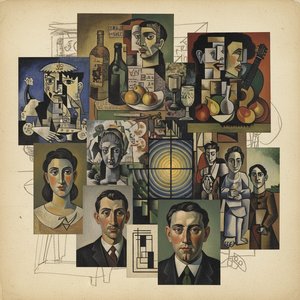
Explore 10 Cubist masterpieces by Picasso, Braque & more! Delve into the history of this revolutionary art movement. Find museum-quality reproductions and elevate your home decor with TopImpressionists. Discover all masterpieces on TopImpressionists.com

피카소, 브라크의 큐비즘 걸작 10선! 혁신적인 예술 세계를 만나보세요. 각 작품의 숨겨진 이야기와 감동을 TopImpressionists에서 경험하고, 당신의 공간에 특별한 예술적 영감을 더하세요. 지금 바로 TopImpressionists.com에서 모든 명작을 발견해보세요!

Explore the revolutionary world of Cubism with TopImpressionists. Discover Picasso & Braque's groundbreaking techniques, its philosophical roots, and lasting impact on modern art. Expert insights for collectors.

조르주 브라크의 시대를 초월한 25개의 걸작을 만나보세요. 입체주의를 개척한 프랑스 화가의 예술 세계와 숨겨진 이야기를 TopImpressionists에서 감상하고, 명작 유화 복제본으로 공간에 특별함을 더하세요. 지금 바로 컬렉션을 탐험하세요!

Explore the revolutionary art of Pablo Picasso with TopImpressionists.com. Discover Cubism's origins, symbolism in his masterpieces & investment insights for collectors. Expert appraisal & custom reproductions available.


최신 미술 뉴스, 특별 혜택 및 인테리어 아이디어를 가장 먼저 만나보세요.
프로젝트에 대해 알려주시면 저희 미술 전문가들이 맞춤형 아트 제안 3가지를 전달해 드립니다.
당신만을 위한 맞춤형 옵션 3가지를 무료로 추천해 드립니다!


 미리보기
미리보기
 공유하기
공유하기 공유하기
공유하기
 상세 정보
상세 정보

 다운로드
다운로드
 유사 작품
유사 작품 X-레이
X-레이 슬라이드 쇼

 더 보기
더 보기









 유리 옵션은 110cm 미만 크기에서만 선택 가능합니다.


