

 Oil On CanvasWallArtSurrealist Cubism
 1948
1948 175.0 x 250.0 cm




























작품의 원본 비율을 유지하는 미리 설정된 크기 중에서 선택하세요.

특정 프레임이나 공간에 맞도록 직접 크기를 입력할 수 있습니다. 선택하신 크기가 원본 이미지의 비율과 일치하지 않는 경우, 작품을 자르거나 추가적인 손으로 그린 요소를 사용하여 그림을 확장합니다. 제작 시작 전 승인을 위해 디지털 목업을 보내드립니다.
화면 미리 보기는 실제 자르기 또는 확장을 반영하지 않습니다. 최종 구성은 목업을 통해서만 정확하게 확인하실 수 있습니다.
맞춤 크기 제작도 가능하지만, 원본 비율을 유지하기 위해 사전 정의된 목록에서 크기를 선택하시는 것을 권장합니다.

The kitchen
복제본 크기
Pablo Picasso’s “The Kitchen,” painted in 1948, isn't merely a depiction of a domestic space; it’s a profound exploration of form, memory, and the artist’s own internal landscape. This oil on canvas masterpiece, measuring 175 x 250 cm, resides within the Musée national Picasso-Paris, yet its impact extends far beyond the walls of that institution. It represents a pivotal moment in Picasso's artistic evolution, showcasing his experimentation with monochrome palettes and a radical simplification of space – techniques deeply rooted in his ongoing investigation of Cubism and Surrealist influences.
The painting immediately captivates with its stark simplicity. A network of precise, almost architectural lines dominates the composition, structuring what appears to be an empty kitchen. These lines aren’t merely delineating shapes; they actively *create* them – concentric circles reminiscent of Spanish plates, a central target-like form, and subtle suggestions of furniture and objects. The deliberate absence of color, rendered in shades of gray, amplifies the impact of these geometric forms, forcing the viewer to engage with their spatial relationships and inherent tension. This monochromatic approach wasn’t simply a stylistic choice; it was a conscious decision to strip away superficiality and focus on the underlying structure of the scene.
While often interpreted as a representation of Picasso's Parisian kitchen at his studio, “The Kitchen” transcends a simple snapshot. The inclusion of the owl and turtledoves in the background introduces an element of mystery and perhaps even melancholy – recurring motifs in Picasso’s work reflecting themes of mortality and contemplation. These figures, rendered with minimal detail, seem to observe the stark geometry of the space, adding a layer of quiet observation to the composition. Some art historians suggest these birds allude to Picasso's personal life, particularly his loss of loved ones, while others see them as symbols of peace or vigilance within the artist’s creative world.
The Spanish plates themselves are arguably the painting’s most potent symbol. They evoke a sense of tradition, heritage, and perhaps even nostalgia for Picasso's Spanish roots. Their placement on the walls suggests a deliberate act of remembrance, anchoring the abstract space in a tangible connection to his past. The repetition of this simple form creates a rhythmic pattern that draws the eye across the canvas, inviting prolonged contemplation.
“The Kitchen” firmly establishes itself within Picasso's artistic trajectory by embodying principles of Cubism – particularly its fragmentation of space and multiple perspectives. However, it also demonstrates a growing interest in the subconscious and dreamlike imagery characteristic of Surrealism, as evidenced by the unsettling juxtaposition of geometric forms and symbolic figures. The influence of Giorgio de Chirico is palpable in the painting’s sense of alienation and the subtly unnerving atmosphere created by its stark simplicity.
Picasso's exploration of monochrome palettes during this period was part of a broader artistic investigation into the essence of form. He sought to distill objects down to their fundamental geometric components, challenging traditional notions of representation and pushing the boundaries of visual language. “The Kitchen” stands as a testament to his innovative spirit and his willingness to experiment with new approaches to painting.
TopImpressionists offers meticulously crafted, hand-painted oil reproduction reproductions of Pablo Picasso’s "The Kitchen," allowing you to bring this iconic artwork into your home or office. These reproductions capture the essence and beauty of the original while retaining the textural nuances and subtle details that define Picasso's masterful technique. Each reproduction is created using archival quality materials, ensuring its longevity and preserving the integrity of the artwork for generations to come. Explore our collection at TopImpressionists.com and experience the enduring power of this remarkable masterpiece.

1881 - 1973 , 스페인

파블로 피카소의 시대를 초월하는 25개의 걸작을 만나보세요. 입체주의부터 꿈까지, 각 작품에 담긴 예술과 영감을 TopImpressionists에서 감상하세요. 고품질 유화와 판화를 소장하고 특별한 공간을 완성해보세요! 지금 바로 TopImpressionists.com에서 컬렉션을 탐험하세요.
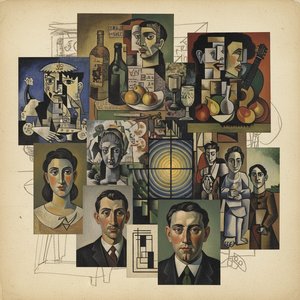
Explore 10 Cubist masterpieces by Picasso, Braque & more! Delve into the history of this revolutionary art movement. Find museum-quality reproductions and elevate your home decor with TopImpressionists. Discover all masterpieces on TopImpressionists.com

Explore 10 Cubist masterpieces by Picasso, Braque & more! Discover the stories behind these revolutionary paintings and their impact on modern art. Find museum-quality reproductions for your home at TopImpressionists.com – where art comes to life.

피카소, 브라크의 큐비즘 걸작 10선! 혁신적인 예술 세계를 만나보세요. 각 작품의 숨겨진 이야기와 감동을 TopImpressionists에서 경험하고, 당신의 공간에 특별한 예술적 영감을 더하세요. 지금 바로 TopImpressionists.com에서 모든 명작을 발견해보세요!

Explore 10 revolutionary Cubist portraits by Picasso, Braque & more! Discover the stories behind these iconic paintings and how they shaped modern art. Find museum-quality reproductions to elevate your home decor on TopImpressionists.com.


최신 미술 뉴스, 특별 혜택 및 인테리어 아이디어를 가장 먼저 만나보세요.
프로젝트에 대해 알려주시면 저희 미술 전문가들이 맞춤형 아트 제안 3가지를 전달해 드립니다.
당신만을 위한 맞춤형 옵션 3가지를 무료로 추천해 드립니다!

 Preview
 프린트 구매하기
 공유하기
공유하기 공유하기
공유하기
 상세 정보
상세 정보

 다운로드
다운로드
 유사 작품
유사 작품 X-레이
X-레이 슬라이드 쇼
 더 보기
더 보기









 유리 옵션은 110cm 미만 크기에서만 선택 가능합니다.


