





























작품의 원본 비율을 유지하는 미리 설정된 크기 중에서 선택하세요.

특정 프레임이나 공간에 맞도록 직접 크기를 입력할 수 있습니다. 선택하신 크기가 원본 이미지의 비율과 일치하지 않는 경우, 작품을 자르거나 추가적인 손으로 그린 요소를 사용하여 그림을 확장합니다. 제작 시작 전 승인을 위해 디지털 목업을 보내드립니다.
화면 미리 보기는 실제 자르기 또는 확장을 반영하지 않습니다. 최종 구성은 목업을 통해서만 정확하게 확인하실 수 있습니다.
맞춤 크기 제작도 가능하지만, 원본 비율을 유지하기 위해 사전 정의된 목록에서 크기를 선택하시는 것을 권장합니다.

The toilette
복제본 크기
In the quiet, sun-drenched summer of 1906, amidst the rugged beauty of the Pyrenees village of Gósol, Pablo Picasso captured a moment that would forever alter the trajectory of modern art. La Toilette is far more than a mere depiction of a daily ritual; it is a profound meditation on femininity and the dual nature of the human spirit. During this celebrated Rose Period, Picasso moved away from the somber, monochromatic tones of his Blue Period, embracing instead a palette of warm ochres, soft pinks, and muted reds. This shift in color was not merely aesthetic but emotional, signaling a period of relative stability and burgeoning passion fueled by his relationship with Fernande Olivier. In this intimate tableau, we find ourselves voyeurs to a private world, where the boundaries between the sensual and the modest begin to blur.
The composition presents a captivating study in contrasts, utilizing two figures—both modeled after Fernande—to explore different facets of womanhood. On one side, a nude figure stands frontally, her body caught in the act of self-admiration as she gazes into a mirror. This figure embodies a raw, uninhibited vitality, a celebration of the flesh that feels both timeless and immediate. In stark contrast, a second, clothed figure sits in profile, her demeanor quiet and perhaps even timid. Through this juxtaposition, Picasso creates a psychological depth that transcends the physical subject matter, inviting the viewer to contemplate the interplay between vulnerability and strength, between the public persona and the private self.
While La Toilette retains a certain charm reminiscent of Naïve Art, it is secretly pregnant with the revolutionary ideas that would soon birth Cubism. Picasso’s technique in this piece demonstrates a masterful command of flattened planes and geometric simplification. He eschews the heavy, academic realism of his predecessors, opting instead for broken brushstrokes and a deliberate reduction of form. By fragmenting the contours of the figures, he begins to experiment with how light and volume can be suggested through surface rather than traditional shading. This approach draws heavily from the influence of Paul Cézanne, whose work taught Picasso that an artist could capture the essence of a subject by treating nature through the cylinder, the sphere, and the cone.
For the discerning collector or interior designer, the allure of this piece lies in its ability to anchor a space with both historical weight and aesthetic grace. The painting’s soft, earthy tones allow it to integrate seamlessly into a variety of sophisticated environments, from a contemporary minimalist gallery setting to a classic, richly textured study. It possesses an understated elegance that does not demand attention through loudness, but rather commands it through its quiet, rhythmic composition. To possess a high-quality reproduction of this work is to bring a piece of art history’s most transformative era into one's personal sanctuary, offering a daily encounter with the very moment when the foundations of modernism were being laid.
Beyond its stylistic innovations, La Toilette is steeped in historical echoes. Picasso’s fascination with ancient iconography—particularly the dignified, profile-oriented depictions found in Egyptian art—is palpable here. By positioning his subjects with such monumental stillness, he elevates a mundane moment of grooming into something sacred and eternal. The mirror itself serves as a powerful symbol of introspection and the fragmented perception of reality, a theme that would become central to the Cubist movement. As we look upon this work, we are not just seeing a woman preparing for her day; we are witnessing the birth of a new way of seeing, where the subject is no longer a fixed entity but a collection of perspectives, moments, and emotions captured in a single, breathless instant.

1881 - 1973 , 스페인

파블로 피카소의 시대를 초월하는 25개의 걸작을 만나보세요. 입체주의부터 꿈까지, 각 작품에 담긴 예술과 영감을 TopImpressionists에서 감상하세요. 고품질 유화와 판화를 소장하고 특별한 공간을 완성해보세요! 지금 바로 TopImpressionists.com에서 컬렉션을 탐험하세요.
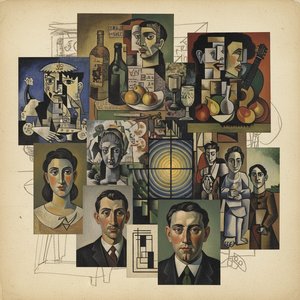
Explore 10 Cubist masterpieces by Picasso, Braque & more! Delve into the history of this revolutionary art movement. Find museum-quality reproductions and elevate your home decor with TopImpressionists. Discover all masterpieces on TopImpressionists.com

Explore the revolutionary art of Pablo Picasso with TopImpressionists.com. Discover Cubism's origins, symbolism in his masterpieces & investment insights for collectors. Expert appraisal & custom reproductions available.

피카소, 브라크의 큐비즘 걸작 10선! 혁신적인 예술 세계를 만나보세요. 각 작품의 숨겨진 이야기와 감동을 TopImpressionists에서 경험하고, 당신의 공간에 특별한 예술적 영감을 더하세요. 지금 바로 TopImpressionists.com에서 모든 명작을 발견해보세요!

Explore 10 revolutionary Cubist portraits by Picasso, Braque & more! Discover the stories behind these iconic paintings and how they shaped modern art. Find museum-quality reproductions to elevate your home decor on TopImpressionists.com.


최신 미술 뉴스, 특별 혜택 및 인테리어 아이디어를 가장 먼저 만나보세요.
프로젝트에 대해 알려주시면 저희 미술 전문가들이 맞춤형 아트 제안 3가지를 전달해 드립니다.
당신만을 위한 맞춤형 옵션 3가지를 무료로 추천해 드립니다!


 미리보기
미리보기
 프린트 구매
 공유하기
공유하기 공유하기
공유하기
 상세 정보
상세 정보

 다운로드
다운로드
 유사 작품
유사 작품 X-레이
X-레이 슬라이드 쇼

 더 보기
더 보기









 유리 옵션은 110cm 미만 크기에서만 선택 가능합니다.


