


 실제 크기로 보기
 보내기
보내기 공유하기
공유하기
 상세 보기
상세 보기 가이드 보기

 이미지 다운로드
 유사 작품 더 보기
 X-레이
X-레이 슬라이드 쇼 보기
 통계 정보
통계 정보Tomato plant
 캔버스에 유채
- 월아트
- Surrealism
 1944
1944- 근대
 92.0 x 73.0 cm
Explore the revolutionary art of Pablo Picasso (1881-1973), a Spanish painter & sculptor, co-founder of Cubism. Discover his iconic paintings, sculptures, and prints that redefined modern art with themes of abstraction, portraiture, and social commen
 상세 보기
상세 보기
피카소(1881-1973)는 입체주의를 창시하고 구르니카와 아비뇽의 처녀들 등 혁신적인 작품으로 20세기 미술에 지대한 영향을 미친 스페인 화가입니다. 다양한 스타일을 섭렵하며 현대 미술의 거장이 되었습니다.
지클레 / 아트 프린트
빠른 제작과 다양한 마감 옵션을 선택할 수 있는 박물관 수준의 지클레이 및 캔버스 프린트. ( 수작업 채색 복제본 주문하기 디지털 이미지 판매 채널로 전환)




P118B ₩10

P118H ₩10

P118W ₩10

P438Z ₩10

P508JH ₩12

P508YH ₩12

P805H ₩10

P805Z ₩10

P919BZ ₩10

P919G ₩10

P919XJ ₩10

P959ZH ₩10

P968JZ ₩12

W106C ₩8

W218G ₩10

W218JH ₩8

W218Y ₩10

W307PJ ₩10

W316G ₩10

W316PJ ₩8

W316Y ₩10

W398PJ ₩8

W4111J ₩10

W500HY ₩15

W500JH ₩15

W692G ₩12

W849H ₩8

W940BG ₩15

W953PJ ₩8




표준 규격
맞춤 제작
CM
INCH
작품의 원본 비율을 그대로 유지하는 프리셋 사이즈 중에서 선택해 보세요.
Loading sizes...

가로 너비
높이
특정 프레임이나 공간에 맞춰 직접 치수를 입력하실 수 있습니다. 선택하신 사이즈가 원본 이미지의 비율과 일치하지 않을 경우, 작품을 크롭(자르기)하거나 이미지를 대칭 또는 단색 채우기로 확장하여 제작합니다. 제작 시작 전, 최종 확인을 위해 디지털 목업이 전송됩니다.
화면상의 미리보기는 실제 크롭이나 확장 상태를 반영하지 않으므로, 최종 구도는 오직 목업을 통해서만 정확하게 확인하실 수 있습니다.
맞춤 사이즈 제작도 가능하지만, 원본 비율을 유지하기 위해서는 사전 정의된 목록에서 치수를 선택하시는 것을 권장합니다.


 유리 옵션은 110cm 미만 크기에서만 선택 가능합니다.

Tomato plant
지클레 / 아트 프린트
복제본 규격
-


총 결제 금액
₩ 95004
Pablo Picasso: A Revolutionary Artist
Pablo Ruiz y Picasso (1881-1973) stands as one of the most influential figures in 20th-century art, reshaping perceptions of painting and sculpture with his groundbreaking innovations. Born in Málaga, Spain, Picasso demonstrated artistic talent from a remarkably young age—his father, José Ruiz y Blasco, instilled in him early training that would propel him to unparalleled heights of creativity. The family’s relocation to A Coruña and later Barcelona fostered an environment ripe for artistic exploration, where Picasso challenged traditional academic instruction at the Royal Academy of San Fernando, prioritizing independent study alongside masters like Velázquez and Goya.The Blue and Rose Periods (1901-1906)
Picasso’s formative years witnessed the emergence of two distinct stylistic phases: The Blue Period (roughly 1901-1904) and The Rose Period (1904-1906). Characterized by somber hues—primarily blues and greens—the Blue Period reflected Picasso's preoccupation with themes of poverty, despair, and human suffering. Influenced by the suicide of his friend Carlos Casagemas, these paintings convey a palpable sense of melancholy and introspection. Simultaneously, The Rose Period introduced warmer tones—roses, reds, and yellows—expressing optimism and tenderness amidst depictions of circus performers, musicians, and family life. This stylistic shift signaled Picasso’s evolving artistic sensibilities and foreshadowed the monumental breakthroughs to come.Cubism: A Paradigm Shift
The true revolution arrived with Cubism, pioneered by Picasso alongside Georges Braque around 1907. Rejecting traditional perspective and representation, Cubist artists fragmented objects into geometric planes—cubes, spheres, and cylinders—presenting multiple viewpoints simultaneously on a single canvas. This radical approach challenged artistic conventions and paved the way for abstraction, fundamentally altering the course of modern art history. Picasso’s relentless experimentation with Cubism continued throughout his career, resulting in iconic masterpieces like Les Demoiselles d'Avignon and Guernica—works that remain profoundly influential today.Guernica: An Anti-War Icon
Painted in response to the bombing of Guernica during the Spanish Civil War in 1937, Guernica is arguably Picasso’s most enduring symbol of protest against violence and oppression. Executed in monochrome—black, white, and gray—the painting depicts a harrowing tableau of suffering humanity amidst chaos and destruction. Figures representing grief, terror, and resilience converge on a central pyramidal composition, conveying the devastating consequences of war with visceral intensity. Guernica transcends its historical context to become a universal indictment of brutality and an impassioned plea for peace—a testament to Picasso’s artistic genius and his unwavering commitment to social justice. ## Legacy and Influence Pablo Picasso's impact on art history is undeniable. His pioneering techniques, stylistic innovations, and thematic explorations continue to inspire artists worldwide. He redefined the boundaries of painting, sculpting, printmaking, and ceramics—leaving an indelible mark on the artistic landscape of the 20th century and beyond. Picasso’s legacy extends far beyond his individual artworks; he fostered a spirit of experimentation and challenged established norms, shaping the trajectory of modern art and cementing his place as one of history's greatest creative minds.작가 소개
혁명가의 삶: 파블로 피카소
파블로 루이스 페르난데스 데 파우라 히곤 라미레스 데 라 사티시마 트리니다드 루이즈 이 피카소, 줄여서 파블로 피카소는 20세기 미술의 지형을 완전히 바꿔놓은 스페인의 화가이자 조각가였습니다. 1881년 10월 25일 스페인 말라가에서 태어난 그는 어린 시절부터 그림에 천부적인 재능을 보였으며, 아버지 호세 루이스 블라스코의 지도를 받으며 미술 교육을 시작했습니다. 피카소의 삶은 끊임없는 실험과 혁신의 여정이었고, 그의 작품들은 시대의 변화를 반영하며 현대 미술의 새로운 가능성을 제시했습니다. 어린 시절부터 보여준 자연주의적 재능은 빠르게 발전하여, 그는 전통적인 회화 기법을 넘어 자신만의 독창적인 예술 세계를 구축해 나갔습니다. 가족과 함께 코루냐와 바르셀로나로 이주하면서 겪었던 개인적인 비극들은 그의 작품에 슬픔과 죽음이라는 주제를 깊숙이 새겨 넣었습니다.푸른 시대와 장밋빛 시대: 감정의 파노라마
20세기 초, 피카소는 예술 세계에 두 가지 중요한 시대를 선사했습니다. 바로 ‘푸른 시대(1901-1904)’와 ‘장밋빛 시대(1904-1906)’입니다. 푸른 시대는 개인적인 고통과 사회적 고난 속에서 탄생한 것으로, 깊은 푸르름과 청록색이 지배하는 그림들로 특징지어집니다. 이 시기의 작품에는 소외된 사람들 – 구걸쟁이, 맹인, 매춘부 – 가 등장하며, 그들의 고독과 절망을 섬세하게 표현하고 있습니다. 대표작인 <라 비(La Vie)>와 <낡은 기타리스트(The Old Guitarist)>는 이 시대의 감정을 극적으로 보여주는 작품들입니다. 그러나 개인적인 삶의 변화와 파리에 정착하면서, 피카소는 장밋빛 시대로 접어듭니다. 팔레트는 분홍색, 주황색, 빨간색 등 따뜻한 색조로 채워졌고, 그의 그림은 이전보다 훨씬 낙관적이고 생기 넘치는 분위기를 자아냈습니다. 특히 서커스 단원들을 소재로 한 작품들은 이 시대의 대표적인 특징을 잘 보여줍니다. <곡예사 가족(Family of Saltimbanques)>은 이러한 변화를 엿볼 수 있는 아름다운 작품입니다.입체주의 혁명: 시각적 현실의 해체와 재구성
1907년, 피카소는 예술 역사에 길이 남을 기념비적인 작품 <아비뇽의 처녀들(Les Demoiselles d'Avignon)>을 발표했습니다. 이 작품은 전통적인 원근법과 표현 방식을 완전히 파괴하고 새로운 시각적 언어를 제시하며 입체주의 운동의 시작을 알렸습니다. 조르주 브라크와의 긴밀한 협력을 통해 피카소는 사물을 기하학적인 형태로 분해하고 재구성하는 입체주의를 발전시켰습니다. 분석적 입체주의(1909-1912)는 제한된 색상 팔레트를 사용하여 사물의 형태를 해부학적으로 묘사한 반면, 종합적 입체주의(1912-1919)는 신문 조각이나 천 조각과 같은 콜라주 요소를 도입하여 작품에 새로운 질감과 복잡성을 더했습니다. 피카소는 단순히 세상을 재현하는 것을 넘어, 그것을 해체하고 자신만의 방식으로 재구성함으로써 현대 미술의 새로운 지평을 열었습니다.끊임없는 실험 정신: 신고전주의, 초현실주의 그리고 전쟁
1920년대에는 잠시 신고전주의 양식을 탐구하며 웅장한 인물들을 창조하기도 했습니다. 동시에 피카소는 떠오르는 초현실주의 운동과도 교류했지만, 그 흐름에 완전히 동화되지는 않았습니다. 이 시기의 작품들은 이전의 스타일적 영향과 초현실적인 이미지, 왜곡된 원근법이 혼합되어 그의 끊임없는 실험 정신을 보여줍니다. 스페인 내전의 참상은 피카소에게 깊은 영향을 미쳤고, 그는 그 고통스러운 현실에 대한 분노와 슬픔을 <게르니카(Guernica)>라는 거대한 작품으로 표현했습니다. 이 작품은 전쟁의 비극과 폭력성을 생생하게 묘사하며 평화와 사회 정의를 위한 강력한 메시지를 전달합니다. 1950년대와 60년대에도 피카소는 도자, 조각, 판화 등 다양한 매체를 탐구하며 예술적 경계를 넓혀갔습니다. 1961년 자클린 루크와의 결혼은 그의 개인적인 삶과 예술적 표현에 새로운 영감을 불어넣었습니다.불멸의 유산
1973년 4월 8일, 피카소는 프랑스 무앙에서 세상을 떠났지만, 그가 남긴 작품들은 여전히 우리에게 깊은 감동과 영감을 선사합니다. 그의 예술적 영향력은 현대 미술 전반에 걸쳐 광범위하게 퍼져 있으며, 수많은 후대 화가들에게 지대한 영향을 미쳤습니다. 5만 개 이상의 작품을 남긴 피카소는 단순한 화가를 넘어 시대의 혁신가이자 예술계의 거인이었습니다. 그의 삶과 작품은 끊임없는 도전과 실험 정신을 통해 현대 미술의 새로운 가능성을 제시했으며, 오늘날까지도 전 세계 사람들에게 영감을 주고 있습니다.
피카소
1881 - 1973 , 스페인
작가 정보 요약
- 국적: 스페인
- 대표작:
- 레 데미젤 딩 아비뇽
- 게르니카
- 늙은 기타리스트
- 사망일: 1973년 4월 8일
- 출생일: 1881년 10월 25일
- 출생지: 말라가, 스페인
관련 기사

Cubist Portraits: 10 Masterpieces That Revolutionized Art | TopImpressionists
Explore 10 revolutionary Cubist portraits by Picasso, Braque & more! Discover the stories behind these iconic paintings and how they shaped modern art. Find museum-quality reproductions to elevate your home decor on TopImpressionists.com.

Mastering Cubism: An Essential Guide to the Revolutionary Artworks of Pablo Picasso
Explore the profound evolution of Cubism through an expert analysis of Pablo Picasso's revolutionary works. From Analytical to Synthetic Cubism, discover the techniques that redefined modern art and learn how to curate these iconic masterpieces for your private collection.

Pablo Picasso: A Revolutionary Vision – Cubism, Symbolism & Enduring Legacy
Explore the revolutionary art of Pablo Picasso with TopImpressionists.com. Discover Cubism's origins, symbolism in his masterpieces & investment insights for collectors. Expert appraisal & custom reproductions available.

Cubist Expression: 10 Masterpieces That Revolutionized Modern Art | TopImpressionists
Explore 10 Cubist masterpieces by Picasso, Braque & more! Discover the stories behind these revolutionary paintings and their impact on modern art. Find museum-quality reproductions for your home at TopImpressionists.com – where art comes to life.
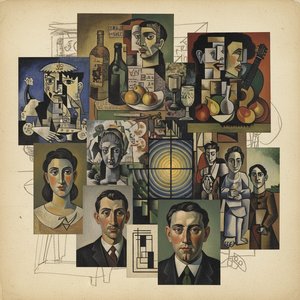
Cubism's Revolution: 10 Masterpieces That Redefined Modern Art | TopImpressionists
Explore 10 Cubist masterpieces by Picasso, Braque & more! Delve into the history of this revolutionary art movement. Find museum-quality reproductions and elevate your home decor with TopImpressionists. Discover all masterpieces on TopImpressionists.com
테마, 스타일, 특징별로 큐레이션된 작품들을 만나보세요.


