


 실제 크기로 보기
 보내기
보내기 공유하기
공유하기
 상세 보기
상세 보기 가이드 보기

 이미지 다운로드
 유사 작품 더 보기
 X-레이
X-레이 슬라이드 쇼 보기
 통계 정보
통계 정보Untitled (30)
 Oil On Canvas
- WallArt
- Naive Art / Primitivism
 1958
1958 46.0 x 55.0 cm
 상세 보기
상세 보기
온라인 미리보기보다 훨씬 뛰어난 품질의 고해상도 디지털 이미지를 구매해 보세요.
각 파일은 사내 전문가가 고급 도구와 숙련된 수동 리터칭 기술을 사용하여 세심하게 준비합니다. 우리는 모든 이미지가 탁월한 선명도, 정확한 색상 재현력, 그리고 미세한 디테일까지 완벽하게 갖추도록 보장합니다.
최종 파일은 전문적인 편집 및 인쇄 환경에서 즉시 사용할 수 있도록 최적화되어 72시간 이내에 이메일로 발송됩니다. 이는 세계적인 디자인 스튜디오, 출판사 및 갤러리가 신뢰하는 것과 동일한 품질입니다.
디지털 이미지
개인 소장 및 전시, 인쇄, 창작 프로젝트를 위한 고해상도 파일을 다운로드하세요. ( 프린트 판매로 전환 수작업 채색 복제본 주문하기)
모든 디지털 이미지 주문 시 제공되는 혜택
전문적인 디지털 이미지 전송 보장
TopImpressionists.com를 선택하시면 단순히 이미지를 받는 것을 넘어, 정밀한 보정 과정을 거쳐 완성된 전문적인 디지털 예술 작품을 만나보실 수 있습니다. 모든 작품에는 만족 보장 서비스가 함께 제공되며, 주문 시 다음과 같은 사항들이 자동으로 포함됩니다:

빠른 이메일 수령
주문 후 72시간 이내에 고해상도 디지털 이미지 파일이 이메일로 발송되며, 즉시 사용하실 수 있습니다.

AI 기술로 최적화된 디지털 파일
귀하의 작품은 고급 AI 기술과 정교한 수동 편집 과정을 거쳐 전문적으로 최적화되며, 이를 통해 디테일과 선명도, 색상의 정확도를 극대화합니다.

평생 무료 재전송 서비스
파일을 실수로 삭제하거나 분실하셨나요? 걱정 마세요. 언제든 무료로 다시 보내드립니다.

추가 수입 비용 없음 - 언제나
관세나 부가세, 배송비 부담 없이 작품을 즉시 소장하세요 - 디지털 다운로드는 언제나 면세 혜택이 적용됩니다.

정확한 색상 보장
전문적인 도구와 색상 관리 시스템을 통해 디지털 이미지가 원본의 색상을 최대한 정확하게 구현하도록 보장합니다.

100일 만족 보장제
구매하신 디지털 이미지에 만족하지 못하실 경우, 100일 이내에 별도의 조건 없이 수정 또는 100% 환불을 진행해 드립니다.

100% 환불 보장
만족스럽지 않으신가요? 디지털 파일을 받으신 후 100일 이내에 조건 없이 전액 환불해 드립니다.

대량 주문 할인
이미지 3매 구매 시 10% 할인 - 5매 구매 시 15% 할인 - 10매 이상 구매 시 20% 할인. 크리에이티브 프로젝트, 갤러리, 에이전시에 매우 유용합니다.
Pablo Picasso’s “Untitled (30): A Window into Primitivism
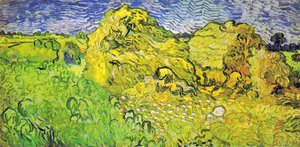
Pablo Picasso's "Untitled (30)," painted in 1958, isn’t merely a landscape; it’s an invitation to step through a portal into the artist’s deeply personal and remarkably consistent exploration of Naive Art. This work, rendered in oil on canvas measuring 46 x 55 cm, exemplifies Picasso's late-career fascination with a style that deliberately eschews academic training and embraces directness – a deliberate rejection of the complexities often associated with Western art traditions. The painting depicts a serene field punctuated by trees receding into a hazy distance, anchored by a simple, almost childlike building nestled amongst them. Yet, within this apparent simplicity lies a profound emotional resonance, a testament to Picasso’s ability to distill experience and feeling into its most essential elements.
Classified as belonging to the Naive Art or Primitivism movement, “Untitled (30)” reflects a deliberate return to a perceived ‘primitive’ approach. This wasn't about mimicking actual primitive art; rather, Picasso sought to capture the uninhibited expressiveness and lack of conscious self-awareness found in untrained artists – an intentional departure from the highly stylized and intellectualized approaches prevalent in much of 20th-century European painting. The bold colors—a vibrant green for the field, a warm yellow for the trees, punctuated by flashes of red, blue, and orange—are applied with broad, confident strokes, creating a sense of immediacy and raw energy. There’s no attempt at meticulous detail or realistic representation; instead, Picasso prioritizes conveying feeling through color and form.
Composition and the Illusion of Depth
The composition of “Untitled (30)” is deceptively straightforward. The field stretches horizontally across the canvas, drawing the eye into the distance where the trees gradually diminish in size. This creates a convincing sense of perspective, achieved not through complex linear techniques but through the skillful manipulation of color and value—lighter shades suggesting greater distance. The inclusion of the building in the background adds another layer to this illusion of depth, grounding the scene and providing a focal point for the viewer’s gaze. It's a subtle detail that elevates the painting beyond a simple depiction of nature, hinting at human presence within the landscape.
Picasso’s use of color is particularly noteworthy. He employs a palette that feels both familiar and slightly unsettling—a deliberate choice to evoke a sense of nostalgia or perhaps even unease. The colors aren't blended smoothly; instead, they are applied in distinct blocks, creating sharp contrasts and adding visual intensity. This technique contributes to the painting’s overall feeling of directness and immediacy, as if the artist has simply laid down his colors without hesitation or refinement.
A Bridge Between Styles: Picasso’s Experimentation
“Untitled (30)” is part of a larger body of work that demonstrates Picasso's ongoing exploration of Naive Art. He had been drawn to this style throughout his career, often using it as a means of self-expression and experimentation. Works like “Untitled (29),” “Untitled (39),” and “Untitled (43)” – all readily available for reproduction on TopImpressionists.com – share similar characteristics with "Untitled (30)" in terms of color palette, simplified forms, and a focus on emotional impact. These pieces reveal a consistent thread throughout Picasso’s artistic journey—a desire to break free from the constraints of academic tradition and explore new ways of representing the world.
Interestingly, Picasso's engagement with Naive Art wasn’t purely stylistic; it was also deeply philosophical. He saw in this style a purity of expression that he felt had been lost in Western art. By embracing the simplicity and directness of untrained artists, Picasso sought to reconnect with a more fundamental mode of artistic creation – one rooted in instinct and emotion rather than intellect and technique.
The Enduring Appeal: A Window into the Soul
“Untitled (30)” is more than just a pretty picture; it’s a window into the soul of one of the 20th century's most influential artists. Its enduring appeal lies in its ability to evoke a sense of peace and tranquility, while simultaneously hinting at deeper emotional currents. The painting’s simplicity belies a remarkable depth of feeling, inviting viewers to contemplate the relationship between nature, humanity, and the creative spirit. For those seeking a piece that embodies both artistic mastery and profound emotional resonance, TopImpressionists.com offers exceptional, hand-painted reproductions of “Untitled (30)” – allowing you to bring this captivating work into your own space.
Resources for Further Exploration: Pablo Picasso: Untitled (29), Pablo Picasso: Untitled (39), and The Naïve Art (Primitivism) Art Movement. Pablo Picasso on Wikipedia
질의응답
파블로 피카소의 "Untitled (30)"에는 어떤 기법이 사용되었나요?
"Untitled (30)"은(는) Oil On Canvas 기법으로 제작되었습니다.
"Untitled (30)"은(는) 빛과 어둠의 균형을 어떻게 맞추고 있나요?
파블로 피카소의 "Untitled (30)"의 밝기는 balanced로 기록되었으며, 휘도는 Soft Shadow입니다.
"Untitled (30)"은(는) 파블로 피카소의 평소 작업 스타일을 잘 보여주는 작품인가요?
파블로 피카소의 반복되는 주제에는 expressionist roots, spanish civil war echoes, exploration of simplicity, experimentation with style, part of naive art series, picasso's late period works가 포함되어 있으며, "Untitled (30)"은 field, trees, building, landscape, color palette, picasso, naive art에 초점을 맞추고 있습니다.

![Mountains At Saint-remy [1889] — 빈센트 반 고흐, Post-impressionism](/media/artworks/images-thumb/df/6c/df6c275b8bed8ab1ba3b1aead3acea1b.jpg)



아티스트 프로필
파블로 피카소의 영원한 유산
예술적 혁신의 대명사인 파블로 루이스 피카소는 1881년 10월 25일 스페인 말라가에서 태어났습니다. 그의 존재 자체가 이미 창조적 표현을 위해 예정된 듯했습니다. 전해지는 이야기에 따르면, 그가 처음 내뱉은 말은 '연필'을 뜻하는 “piz, piz”였다고 합니다. 이러한 초기 예술적 성향은 화가이자 미술 교사였던 그의 아버지 호세 루이스 블라스코의 지도 아래 다져졌으며, 어린 파블로에게 기초적인 훈련을 제공했습니다. 그러나 제자는 곧 스승을 뛰어넘어, 내면에 잠재된 천재성을 암시하는 놀라운 사실주의적 묘사 능력을 보여주었습니다. 이후 가족이 아 코루냐를 거쳐 바르셀로나로 이주하는 과정에서 겪은 개인적인 비극, 특히 누이의 죽음과 같은 경험들은 그의 후기 작품 속에 우울함과 죽음이라는 주제를 미묘하게 스며들게 했습니다. 바르셀로나 미술 학교와 마드리드의 산 페르난도 왕립 아카데미에서의 정규 교육 과정 중에도 피카소는 경직된 학문적 제약에 저항하며, 대신 벨라스케스와 고야 같은 거장들의 작품에 몰입함으로써 예술적 혁신을 향한 자신만의 길을 개척해 나갔습니다.
우울한 푸른빛에서 장밋빛 색조로
20세기 초반은 피카소의 작품 세계에서 두 가지 뚜렷한 시기가 나타난 때였습니다. 바로 ‘푸른 시대(약 1901-1904)’와 ‘장밋빛 시대(1904-1906)’입니다. 개인적인 고난과 사회적 고통에 대한 깊은 인식을 바탕으로 탄생한 푸른 시대는 어두운 푸른색과 청록색이 지배하는 회화로 특징지어집니다. 이 시기의 작품들에는 구걸하는 이들, 눈먼 이들, 매춘부와 같은 소외된 인물들이 등장하며, 고립과 절망이라는 주제를 관통하는 잊을 수 없는 공감을 불러일으킵니다. 라 비(La Vie)(1903)와 낡은 기타리스트(The Old Guitarist)(1903-1904)는 이 감정적으로 격앙된 단계의 가슴 아픈 예시입니다. 이후 피카소의 개인적인 삶의 변화와 파리로의 이주는 장밋빛 시대의 도래를 알렸습니다. 팔레트는 분홍색, 주황색, 빨간색을 품으며 훨씬 따뜻해졌고, 이는 더욱 낙관적인 전망을 반영했습니다. 이 시기에는 광대, 곡예사, 서커스 단원들과 같이 연약함과 회복력을 동시에 상징하는 인물들에 대한 매료가 나타났습니다. 곡예사 가족(Family of Saltimbanques)(1905)은 이러한 변화를 아름답게 압축하며, 앞으로 펼쳐질 양식적 탐구의 전조를 보여줍니다.
원근법의 파괴: 입체주의와 그 너머
1907년은 아비뇽의 처녀들(Les Demoiselles d'Avignon)의 탄생과 함께 미술사에서 결정적인 전환점을 맞이했습니다. 이 획기적인 작품은 이베리아 조각과 아프리카 가면의 영향을 받아, 전통적인 원근법과 재현의 개념을 산산조약 냈습니다. 이는 수 세기 동안 이어져 온 관습에 대한 의도적인 거부이자 급진적인 탈피였으며, 입체주의(Cubism)로 가는 길을 닦았습니다. 조르주 브라크와 긴밀히 협력하며 피카소는 이 혁명적인 운동을 공동 창시하였고, 예술가들이 현실을 인식하고 묘사하는 방식을 근본적으로 바꾸어 놓았습니다. 분석적 입체주의(1909-1912)는 대상을 기하학적 형태로 파편화하여 마치 형태 자체를 해부하듯 차분한 색조로 표현했습니다. 이는 이후 종합적 입체주의(1912-1919)로 진화하였는데, 신문 스크랩이나 천 조각 같은 콜라주 요소를 도입하여 질감과 시각적 복잡성의 새로운 층위를 더했습니다. 피카소는 단순히 세상을 재현하는 것에 만족하지 않았습니다. 그는 세상을 해체하고 자신만의 방식으로 재구성하고자 했습니다.
끊임없는 실험가: 신고전주의, 초현실주의, 그리고 전쟁
1920년대에 피카소는 신고전주의 양식을 잠시 탐구하며, 고전적인 형태를 반영하면서도 뚜렷하게 현대적인 감각을 유지하는 기념비적인 인물들을 만들어냈습니다. 동시에 그는 급성장하던 초현실주의 운동과 교류하였으나, 그 원칙에 완전히 귀속되지는 않았습니다. 이 시기의 작품들은 초기 양식적 영향과 초현실적인 이미지, 왜곡된 원근법을 결합하며 그의 끊임없는 실험 정신을 보여주었습니다. 스페인 내전의 참상은 피카소에게 깊은 영향을 미쳤고, 이는 결국 게르니카 폭격에 대한 처절하고 감정적으로 파괴적인 응답인 게르니카(Guernica)(1937)의 탄생으로 이어졌습니다. 이 기념비적인 작품은 전쟁의 만행을 상징하는 영원한 상징이 되었으며, 피카소를 단순한 예술가를 넘어 평화와 사회 정의를 위한 강력한 목소리를 가진 인물로 각인시켰습니다. 1950년대와 60년대에 걸쳐 그는 도자기, 조각, 판화를 탐구하며 변함없는 호기심과 기술로 경계를 계속해서 넓혀갔습니다. 1961년 자클린 로크와의 결혼은 그의 개인적 삶과 예술적 표현에 새로운 차원을 가져다주었습니다.
측정할 수 없는 영향력
파블로 피카소는 1973년 4월 8일 프랑스 무쟁에서 세상을 떠났으며, 약 5만 점 이상으로 추정되는 경이로운 작품들을 남겨 오늘날까지도 우리를 매료시키고 영감을 주고 있습니다. 그의 예술적 발전은 벨라스케스와 고야 같은 스페인 거장들부터 이베리아 조각, 아프리카 미술, 그리고 앙리 마티스의 활기찬 색채 팔레트에 이르기까지 다양한 영향에 의해 형성되었습니다. 20세기 미술에 미친 그의 영향은 측정할 수 없을 만큼 거대합니다. 그는 입체주의를 공동 창시했고, 콜라주와 구성적 조각을 개척했으며, 예술적 관습에 끊임없이 도전했습니다. 피카소의 끈질긴 실험은 현대 미술을 재정의하며 후대의 예술가들에게 지울 수 없는 흔적을 남겼고, 역사상 가장 중요하고 영향력 있는 인물 중 하나로서 그의 위치를 공고히 했습니다. 그의 유산은 캔버스를 넘어 현대 문화의 수많은 측면에서 울려 퍼지며, 우리에게 예술적 비전이 가진 변혁적인 힘을 상기시켜 줍니다.

파블로 피카소
1881 - 1973 , 스페인
핵심 정보
- 국적: 스페인
- 대표작:
- 레 데미젤 딩 아비뇽
- 게르니카
- 늙은 기타리스트
- 사망일: 1973년 4월 8일
- 출생일: 1881년 10월 25일
- 출생지: 말라가, 스페인