


 실제 크기로 보기
 보내기
보내기 공유하기
공유하기
 상세 보기
상세 보기 가이드 보기

 이미지 다운로드
 유사 작품 더 보기
 X-레이
X-레이 슬라이드 쇼 보기
 통계 정보
통계 정보메단 성


 상세 보기
상세 보기
핸드메이드 유화 복제화
작가가 직접 캔버스에 손으로 그린 유화 작품으로, 원하는 크기와 액자로 맞춤 제작해 드립니다. ( 프린트 판매로 전환 디지털 이미지 판매 채널로 전환)




P118B ₩10

P118H ₩10

P118W ₩10

P438Z ₩10

P508JH ₩12

P508YH ₩12

P805H ₩10

P805Z ₩10

P919BZ ₩10

P919G ₩10

P919XJ ₩10

P959ZH ₩10

P968JZ ₩12

W106C ₩8

W218G ₩10

W218JH ₩8

W218Y ₩10

W307PJ ₩10

W316G ₩10

W316PJ ₩8

W316Y ₩10

W398PJ ₩8

W4111J ₩10

W500HY ₩15

W500JH ₩15

W692G ₩12

W849H ₩8

W940BG ₩15

W953PJ ₩8




표준 규격
맞춤 제작
CM
INCH
작품의 원본 비율을 그대로 유지하는 프리셋 사이즈 중에서 선택해 보세요.
Loading sizes...

가로 너비
높이
액자나 벽면 크기에 맞춰 필요한 가로와 세로 길이를 입력해 주세요. 본 작품은 수작업으로 제작되므로, 요청하신 비율에 따라 작가가 그림의 가장자리를 조금 더 넓게 그리거나 일부를 조정하여 작업할 수 있습니다. 작업 시작 전, 최종 확인을 위해 디지털 목업 이미지를 보내드립니다. 이 페이지에 표시된 이미지는 실제 결과물과 다를 수 있으며, 오직 목업 이미지만이 정확한 결과물을 보여줍니다.
변경 가능한 예시: 얼굴을 고객님의 사진으로 교체, 반려동물 추가(예: 고양이를 강아지로 변경), 배경에 숨겨진 메시지 삽입, 배경 풍경 또는 요소 변경 등
주문 완료 후 TopImpressionists.com 팀에서 상세 안내를 위해 고객님께 이메일을 보내드리며, 미리보기 시안을 함께 제공해 드립니다.
주문 완료 후 TopImpressionists.com 팀에서 상세 안내를 위해 고객님께 이메일을 보내드리며, 미리보기 시안을 함께 제공해 드립니다.


 유리 옵션은 110cm 미만 크기에서만 선택 가능합니다.

메단 성
재현 매체
복제본 규격
-


총 결제 금액
₩ 368155
메단 성: 폴 세잔이 그려낸 전원적 평온함의 한 조각
- 작가: 폴 세잔 (Paul Cézanne)
- 연도: 1880년
- 매체: 캔버스에 유채
- 크기: 미상
- 소장처: 스코틀랜드, 글래스고 미술관 및 박물관
주제와 구도
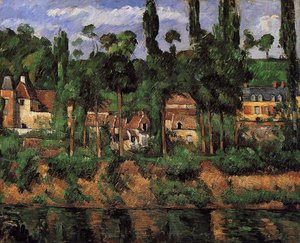
1880년에 탄생한 폴 세잔의 "메단 성(Chateau du Medan)"은 프랑스 전원생활의 평온한 풍경을 고요하게 그려냅니다. 이 작품은 언덕 기슭에 포근히 자리 잡은 집들과, 그 위로 드리워진 울창한 나무들이 만들어내는 그늘을 통해 평화로운 마을의 정취를 보여줍니다. 구도는 매우 세심하게 균형을 이루고 있습니다. 건물과 나뭇잎들은 전원 풍경의 본질을 포착하기 위해 조화롭게 배치되었습니다. 특히 색채와 빛을 다루는 세잔의 거장다운 솜씨는 작품에 깊이와 입체감을 더하며, 관람객을 마치 그 풍경 속으로 빨아들이는 듯한 몰입감을 선사합니다.
예술적 양식과 기법
"메단 성"은 인상주의와 입체주의를 잇는 중추적인 역할을 했던 세잔만의 독창적인 후기 인상주의 양식을 잘 보여주는 작품입니다. 세잔은 기하학적 형태에 집중하고 자연적인 세부 묘사를 과감히 생략하는 혁신적인 예술적 접근법으로 명성을 떨쳤습니다. 이 그림 속에서도 집과 나무의 단순화된 형태를 통해 이러한 특징적인 단순화 과정을 확인할 수 있습니다. 그의 기법은 눈에 띄는 붓터치를 통해 물감을 덧입힘으로써, 형태를 섬세하게 구축하는 동시에 질감과 움직임을 만들어내는 것이 특징입니다. 또한 초록, 파랑, 빨강을 활용한 풍부하고 생동감 넘치는 색채 팔레트는 작품 전체의 조화로운 균형을 완성합니다.
역사적 배경과 영감
이 작품은 세잔이 에밀 졸라의 메단 여름 별장을 방문하던 시기에 그려졌습니다. 이 시기는 세잔에게 예술적 자유를 부여했을 뿐만 아니라, 플레네르(plein air, 야외) 사생을 충분히 할 수 있는 기회를 제공했다는 점에서 매우 중요한 의미를 갖습니다. 평온한 마을 풍경을 담은 이 배경은 19세기 후반 예술계의 특징이었던 일상생활과 전원적 장면을 포착하려는 열망을 반영합니다. 빛과 색채를 강조하는 방식에서는 인상주의의 영향이 뚜렷하게 나타나지만, 세잔의 접근법은 단순한 재현을 넘어 형태에 대한 더욱 구조적이고 분석적인 묘사로 나아가고 있습니다.
상징성과 정서적 울림
겉으로 보기에는 소박하고 단순해 보일 수 있는 "메단 성"은 그 이면에 미묘한 상징적 무게를 품고 있습니다. 견고하게 서 있는 집들은 공동체의 안정성을 암시하며, 주변을 둘러싼 나무들은 자연의 영속적인 존재감을 나타냅니다. 이 작품은 평화로움과 향수, 그리고 고요한 명상의 정서를 불러일으킵니다. 색채와 형태를 의도적으로 사용한 세잔의 예술적 선택은 단순한 풍경 묘사를 넘어선 정서적 공명을 만들어내며, 관람객으로 하여금 그의 독특한 예술적 시선을 통해 전원생활의 평온함과 아름다움을 깊이 경험하도록 초대합니다.
관련 작품들





작가 소개
폴 세잔: 자연의 구조를 탐구한 혁신의 선구자
폴 세잔은 1839년 에이즈-프랑스 프로방스에서 태어나 인상주의의 순간적인 감각을 넘어 입체주의의 파편화된 형태로 이어지는 예술계에 지대한 영향을 미친 거장입니다. 그의 여정은 즉각적인 찬사를 받는 것이 아니라, 자기 의심과 비판적 무시로 점철된 예술 탐구의 느린 연소였으며, 결국 현대 미술의 흐름을 영원히 바꾸어 놓을 유산을 남겼습니다. 그의 아버지는 처음에는 모자 장인이었지만 나중에는 은행가가 되어 번영한 가정에서 태어난 세잔은 야심 찬 예술가에게는 드문 재정적 안정을 누렸고, 상업적 성공의 즉각적인 압박 없이 자신의 열정에 헌신할 수 있는 자유를 누렸습니다. 처음에는 아버지의 야망에 따라 법학을 전공하도록 유도되었지만, 예술적 표현의 힘은 너무나 강렬하여 결국 법학을 포기하고 그림을 그리는 길을 선택했습니다. 이는 그의 삶을 정의하는 결정이었습니다. 초기에는 젊은 시절 널리 퍼져 있던 낭만주의와 바비종파 화가들의 풍경에 대한 헌신 등 다양한 영향들을 받았지만, 폴 고갱과 조르주 세라티 같은 예술가들과의 만남을 통해 그들의 혁신적인 색채와 형태 접근 방식을 접하면서 자신만의 독특한 길을 개척하기 시작했습니다.어둠에서 구조로: 스타일 진화
세잔의 초기 작품은 종종 유진 들라크루아의 영향을 받은 낭만주의 회화의 특징인 극적이고 감정적으로 격앙된 주제를 반영하며, 어두운 팔레트와 표현적인 붓놀림이 그의 캔버스를 지배했습니다. 그러나 이 초기 단계는 훨씬 더 분석적이고 혁신적인 접근 방식으로 나아가기 위한 단순한 발판에 불과했습니다. 인상주의자들이 선호하는 빛의 순간적인 감각을 단순히 포착하는 데 만족하지 못한 세잔은 사물의 근본적인 구조를 이해하고 표현하려는 탐구를 시작했습니다. 그는 자신이 보는 것이 아니라, 현실을 구성하는 기본적인 형태가 어떻게 인식되는지를 알고 싶어 했습니다. 이러한 갈망은 자연의 모양을 기하학적 등가물로 분해하게 되었고, 이는 수십 년 후 입체주의 혁명을 예견했습니다. 그의 기술은 복잡한 색채와 질감을 구축하기 위해 세심하게 겹쳐진 작은 반복적인 붓놀림으로 특징지어지며, 이전에는 회화에서 볼 수 없었던 견고함과 깊이를 만들어냈습니다. 그는 환상적인 공간에 관심이 없었으며, 대신 전통적인 관점에 도전하고 그의 구성의 구축된 본성을 적극적으로 참여하도록 강요하는 동시에 여러 관점에서 객체를 제시했습니다. 이러한 의도적인 왜곡은 임의적이지 않았지만, 시간의 단일한 순간을 나타내는 것이 아니라 인식의 종합인 형태에 대한 보다 완전한 이해를 전달하려는 시도였습니다.풍경, 정물, 인체: 주요 작품과 반복되는 모티프
세잔의 작품 세계는 놀라울 정도로 다양하며 풍경, 정물, 초상화, 그리고 수영하는 사람들의 묘사를 포괄하지만, 모든 작품은 그의 독특한 형태와 색채 접근 방식으로 통일되어 있습니다. 1880년에 그려진 <자스 드 부팡 연못>은 그의 풍경 작업을 보여주며, 형태와 음색의 신중한 배열을 통해 자연의 본질을 포착하는 그의 능력을 보여줍니다. 1866년에 제작된 <에밀 졸라 초상화>는 그의 발달하는 스타일을 드러내고 가까운 친구이자 동료 작가인 에밀 졸라의 지적인 강렬함에 대한 설득력 있는 통찰력을 제공합니다. 사과와 다른 과일을 특징으로 하는 정물은 단순히 물체의 표현이 아니라 부피, 빛, 공간 관계 탐구입니다. <몽 생트 빅투아르> 시리즈는 세잔에게 집착이었으며, 수십 년 동안 형태와 관점을 끊임없이 조사할 수 있게 해준 반복적인 모티프였습니다. 이러한 그림들은 산의 묘사가 아닌 깊이, 부피 및 빛과 그림자의 상호 작용에 대한 연구입니다. 마지막으로, 유토피아 풍경 속에 있는 누드 인물을 묘사한 <수영하는 사람> 시리즈는 인체 탐구와 자연과의 연결을 나타내며 종종 시대를 초월하고 조용한 사색의 감각이 스며 있습니다.혁신으로 단련된 유산: 현대 미술에 대한 세잔의 영향
폴 세잔의 후대 예술가들에게 미치는 영향은 측정할 수 없을 정도입니다. 그는 20세기 주요 예술 운동의 길을 열어 그의 선구적인 기여로 인해 "현대 미술의 아버지"로 널리 알려져 있습니다. 파블로 피카소와 조르주 브라크는 세잔의 기하학적 형태와 다중 관점에 대한 강조에 깊이 의존했으며, 이는 입체주의의 핵심 원칙이 되었습니다. 그의 대담한 색채 사용은 앙리 마티스를 비롯한 야수파 운동에도 영감을 주어 자연스럽지 않은 생생한 색조를 포용했습니다. 심지어 초현실주의자 예술가들도 세잔의 주관적인 인식과 심리적 깊이에 대한 탐구에서 공감대를 찾았습니다. 특정 운동을 넘어, 세잔은 전통적인 학문적 제약을 거부하고 자신의 개인적인 비전을 강조하면서 수많은 화가가 새로운 표현 방식을 탐색할 수 있도록 해방했습니다. 그는 현실의 모방이라는 정의 자체를 도전하며, 기본 구조와 주관적인 인식에 기반한 시각적 경험을 구축하는 데 초점을 맞추어 미술사의 새로운 시대가 시작되었습니다. 1906년 그의 죽음은 끝이 아니라 시작 – 그의 혁신적인 비전으로 인해 깊이 형성된 현대 미술사 한 페이지의 여명이었다.
세잔
1839 - 1906 , 프랑스
작가 정보 요약
- 국적: 프랑스
- 대표작:
- 자스 드 부팡 연못
- 에밀 졸라 초상
- 숲
- 생트 빅투아르 산 시리즈
- 목욕하는 사람들
- 사망일: 1906년 10월 22일
- 영향을 받은 예술 사조:
- 입체주의
- 야수파
- 초현실주의
- 영향을 준 예술가:
- 낭만주의
- 바비종파
- 폴 고갱
- 조르주 세라
- 미켈란젤로
- 루벤스
- 피에르 푸제
- 예술 사조: 후기 인상주의
- 전체 이름: 폴 세잔
- 출생일: 1839년 1월 19일
- 출생지: 에이구스탱-프로방스, 프랑스
관련 기사
Beyond the Light: Capturing Emotion Through the Expressive Soul of Post-Impressionism
Explore the profound emotional depth of Post-Impressionism. Discover how masters like Van Gogh and Cézanne moved beyond light to capture raw feeling through color and texture. A journey into art history for the true connoisseur.
테마, 스타일, 특징별로 큐레이션된 작품들을 만나보세요.


