

 미리보기
미리보기
 공유하기
공유하기 공유하기
공유하기
 상세 정보
상세 정보 가이드 보기

 다운로드
다운로드
 유사 작품 더 보기
 X-레이
X-레이 슬라이드 쇼 보기
 질의응답
질의응답 통계 정보
통계 정보untitled (400)

 더 보기
더 보기
지클레 / 아트 프린트
빠른 제작과 다양한 마감 옵션을 제공하는 박물관 수준의 지클레이 및 캔버스 프린트. ( 수작업 채색 복제본 주문하기 디지털 이미지로 전환)




P118B ₩10

P118H ₩10

P118W ₩10

P438Z ₩10

P508JH ₩12

P508YH ₩12

P805H ₩10

P805Z ₩10

P919BZ ₩10

P919G ₩10

P919XJ ₩10

P959ZH ₩10

P968JZ ₩12

W106C ₩8

W218G ₩10

W218JH ₩8

W218Y ₩10

W307PJ ₩10

W316G ₩10

W316PJ ₩8

W316Y ₩10

W398PJ ₩8

W4111J ₩10

W500HY ₩15

W500JH ₩15

W692G ₩12

W849H ₩8

W940BG ₩15

W953PJ ₩8




표준 규격
맞춤형
CM
INCH
작품의 원본 비율을 그대로 유지하는 프리셋 사이즈 중에서 선택해 보세요.
Loading sizes...

가로 너비
세로 길이
액자나 벽면 크기에 맞춰 필요한 가로와 세로 길이를 입력해 주세요. 프린트는 원본 이미지보다 크게 제작할 수 없으며 오직 자르는 것만 가능하므로, 비율이 다른 사이즈를 선택할 경우 이미지의 일부가 잘려 나갈 수 있습니다. 인쇄 작업에 들어가기 전, 최종 확인을 위해 디지털 목업을 보내드립니다. 이 페이지에 표시된 이미지는 실제 잘리는 영역을 나타내지 않으며, 오직 목업을 통해서만 정확한 확인이 가능합니다.


 유리 옵션은 110cm 미만 크기에서만 선택 가능합니다.

untitled (400)
지클레 / 아트 프린트
복제본 크기
-


최종 결제 금액
₩ 93918
A Revolutionary Vision: Exploring Cézanne’s “Untitled (400)”
Paul Cézanne, born in Aix-en-Provence in 1839, represents a pivotal moment in artistic history – the decisive transition from Impressionism's fleeting sensations to Cubism’s fractured perspectives. While initially met with skepticism and critical dismissal by many of his contemporaries, Cézanne persevered, driven by an unwavering conviction in his own artistic vision, ultimately securing his place as one of the most influential figures of modern art. His upbringing provided him with a rare advantage; his father's banking profession afforded him financial stability that allowed for uninterrupted dedication to his craft – a luxury uncommon amongst aspiring artists of the time. Despite familial expectations favoring legal pursuits, Cézanne’s passion for painting superseded all others, leading him to abandon law and embrace a life singularly focused on artistic exploration. Early influences included the vibrant landscapes of Barbizon painters, fostering an appreciation for capturing natural beauty with meticulous observation. However, Cézanne quickly moved beyond mere representation, embarking on a radical reimagining of form and space that would fundamentally reshape artistic conventions.The Subject Matter: Nature’s Quiet Intensity
“Untitled (400)” encapsulates Cézanne's fascination with the natural world, specifically depicting a serene forest scene populated by figures – presumably nude men – engaged in contemplative activity. The composition eschews dramatic narrative; instead, it prioritizes capturing the essence of place and atmosphere. The artist’s deliberate cropping emphasizes the contours of trees and rocks, creating an illusionistic depth that defies traditional perspective. This technique—known as “pictorial space”—was a cornerstone of Cézanne's approach, rejecting the optical realism championed by Impressionists in favor of conveying emotional resonance through carefully constructed forms. A solitary horse occupies the left side of the canvas, serving not merely as an element within the landscape but as a symbol of strength and stillness—a counterpoint to the human figures’ quiet contemplation.Style and Technique: Geometric Forms Unleashed
Cézanne's distinctive style is characterized by his masterful manipulation of geometric shapes – cylinders, cones, and planes—to construct volumes that appear to exist independently on the canvas surface. Unlike Impressionists who sought to capture fleeting light effects, Cézanne painstakingly rendered objects with a solidity and permanence unattainable through optical illusion. He employed thick impasto brushstrokes, layering pigment onto the canvas in textured ridges that heighten visual impact and contribute to the painting’s palpable sense of presence. This deliberate physicality reflects Cézanne's belief that art should engage the viewer’s senses—particularly sight—in a way that transcends mere visual perception. The color palette is muted yet harmonious, dominated by earthy tones – browns, greens, and ochres – reflecting Cézanne’s desire to depict nature with uncompromising honesty.Historical Context: Bridging Impressionism and Cubism
“Untitled (400)” emerged during a period of significant artistic upheaval—the late 1890s—as Impressionism began to yield to the burgeoning influence of Cubism. Cézanne’s work served as an important precursor to this revolutionary movement, paving the way for artists like Picasso and Braque to dismantle traditional representational conventions. While Cézanne himself resisted categorization, his explorations into form and space undeniably foreshadowed the geometric abstraction that would define the early 20th century. His unwavering commitment to distilling visual experience into fundamental shapes—a process he termed “reduction”—challenged the prevailing artistic dogma of his time and established him as a visionary innovator.Emotional Impact: A Meditation on Stillness and Observation
Ultimately, “Untitled (400)” transcends mere depiction; it invites contemplation. Cézanne’s masterful rendering of light and form conveys not just what he sees but also how he feels—a profound appreciation for the beauty and tranquility of nature combined with a meditative awareness of human presence within its embrace. The painting's stillness speaks to an enduring humanist impulse, reminding us of the importance of slowing down, observing carefully, and finding solace in the simplest forms of existence. It remains a testament to Cézanne’s belief that art could illuminate the inner landscape as much as it captured the outer world—a legacy that continues to inspire artists and collectors alike.질의응답
세잔의 "untitled (400)"은 밝은 느낌의 작품인가요, 아니면 어두운 느낌의 작품인가요?
전반적으로 "untitled (400)"의 밝기는 balanced로 기록되었습니다. 인지된 밝기는 작품이 얼마나 밝거나 어둡게 느껴지는지를 나타냅니다.
세잔의 "untitled (400)"의 특징적인 기법과 화풍은 무엇인가요?
세잔의 "untitled (400)"은 Acrylic On Canvas 기법과 Post-Impressionism 양식이 결합된 작품입니다. 기법과 양식은 작품의 제작 방식과 예술적 스타일을 나타냅니다.
세잔의 "untitled (400)" 복제본은 어떤 용도로 활용하기에 좋나요?
세잔의 "untitled (400)"은(는) Accent(으)로 활용하시기에 가장 좋습니다. 그 외에도 다양한 용도로 사용하실 수 있습니다.


작가 정보
폴 세잔: 자연의 구조를 탐구한 혁신의 선구자
폴 세잔은 1839년 에이즈-프랑스 프로방스에서 태어나 인상주의의 순간적인 감각을 넘어 입체주의의 파편화된 형태로 이어지는 예술계에 지대한 영향을 미친 거장입니다. 그의 여정은 즉각적인 찬사를 받는 것이 아니라, 자기 의심과 비판적 무시로 점철된 예술 탐구의 느린 연소였으며, 결국 현대 미술의 흐름을 영원히 바꾸어 놓을 유산을 남겼습니다. 그의 아버지는 처음에는 모자 장인이었지만 나중에는 은행가가 되어 번영한 가정에서 태어난 세잔은 야심 찬 예술가에게는 드문 재정적 안정을 누렸고, 상업적 성공의 즉각적인 압박 없이 자신의 열정에 헌신할 수 있는 자유를 누렸습니다. 처음에는 아버지의 야망에 따라 법학을 전공하도록 유도되었지만, 예술적 표현의 힘은 너무나 강렬하여 결국 법학을 포기하고 그림을 그리는 길을 선택했습니다. 이는 그의 삶을 정의하는 결정이었습니다. 초기에는 젊은 시절 널리 퍼져 있던 낭만주의와 바비종파 화가들의 풍경에 대한 헌신 등 다양한 영향들을 받았지만, 폴 고갱과 조르주 세라티 같은 예술가들과의 만남을 통해 그들의 혁신적인 색채와 형태 접근 방식을 접하면서 자신만의 독특한 길을 개척하기 시작했습니다.어둠에서 구조로: 스타일 진화
세잔의 초기 작품은 종종 유진 들라크루아의 영향을 받은 낭만주의 회화의 특징인 극적이고 감정적으로 격앙된 주제를 반영하며, 어두운 팔레트와 표현적인 붓놀림이 그의 캔버스를 지배했습니다. 그러나 이 초기 단계는 훨씬 더 분석적이고 혁신적인 접근 방식으로 나아가기 위한 단순한 발판에 불과했습니다. 인상주의자들이 선호하는 빛의 순간적인 감각을 단순히 포착하는 데 만족하지 못한 세잔은 사물의 근본적인 구조를 이해하고 표현하려는 탐구를 시작했습니다. 그는 자신이 보는 것이 아니라, 현실을 구성하는 기본적인 형태가 어떻게 인식되는지를 알고 싶어 했습니다. 이러한 갈망은 자연의 모양을 기하학적 등가물로 분해하게 되었고, 이는 수십 년 후 입체주의 혁명을 예견했습니다. 그의 기술은 복잡한 색채와 질감을 구축하기 위해 세심하게 겹쳐진 작은 반복적인 붓놀림으로 특징지어지며, 이전에는 회화에서 볼 수 없었던 견고함과 깊이를 만들어냈습니다. 그는 환상적인 공간에 관심이 없었으며, 대신 전통적인 관점에 도전하고 그의 구성의 구축된 본성을 적극적으로 참여하도록 강요하는 동시에 여러 관점에서 객체를 제시했습니다. 이러한 의도적인 왜곡은 임의적이지 않았지만, 시간의 단일한 순간을 나타내는 것이 아니라 인식의 종합인 형태에 대한 보다 완전한 이해를 전달하려는 시도였습니다.풍경, 정물, 인체: 주요 작품과 반복되는 모티프
세잔의 작품 세계는 놀라울 정도로 다양하며 풍경, 정물, 초상화, 그리고 수영하는 사람들의 묘사를 포괄하지만, 모든 작품은 그의 독특한 형태와 색채 접근 방식으로 통일되어 있습니다. 1880년에 그려진 <자스 드 부팡 연못>은 그의 풍경 작업을 보여주며, 형태와 음색의 신중한 배열을 통해 자연의 본질을 포착하는 그의 능력을 보여줍니다. 1866년에 제작된 <에밀 졸라 초상화>는 그의 발달하는 스타일을 드러내고 가까운 친구이자 동료 작가인 에밀 졸라의 지적인 강렬함에 대한 설득력 있는 통찰력을 제공합니다. 사과와 다른 과일을 특징으로 하는 정물은 단순히 물체의 표현이 아니라 부피, 빛, 공간 관계 탐구입니다. <몽 생트 빅투아르> 시리즈는 세잔에게 집착이었으며, 수십 년 동안 형태와 관점을 끊임없이 조사할 수 있게 해준 반복적인 모티프였습니다. 이러한 그림들은 산의 묘사가 아닌 깊이, 부피 및 빛과 그림자의 상호 작용에 대한 연구입니다. 마지막으로, 유토피아 풍경 속에 있는 누드 인물을 묘사한 <수영하는 사람> 시리즈는 인체 탐구와 자연과의 연결을 나타내며 종종 시대를 초월하고 조용한 사색의 감각이 스며 있습니다.혁신으로 단련된 유산: 현대 미술에 대한 세잔의 영향
폴 세잔의 후대 예술가들에게 미치는 영향은 측정할 수 없을 정도입니다. 그는 20세기 주요 예술 운동의 길을 열어 그의 선구적인 기여로 인해 "현대 미술의 아버지"로 널리 알려져 있습니다. 파블로 피카소와 조르주 브라크는 세잔의 기하학적 형태와 다중 관점에 대한 강조에 깊이 의존했으며, 이는 입체주의의 핵심 원칙이 되었습니다. 그의 대담한 색채 사용은 앙리 마티스를 비롯한 야수파 운동에도 영감을 주어 자연스럽지 않은 생생한 색조를 포용했습니다. 심지어 초현실주의자 예술가들도 세잔의 주관적인 인식과 심리적 깊이에 대한 탐구에서 공감대를 찾았습니다. 특정 운동을 넘어, 세잔은 전통적인 학문적 제약을 거부하고 자신의 개인적인 비전을 강조하면서 수많은 화가가 새로운 표현 방식을 탐색할 수 있도록 해방했습니다. 그는 현실의 모방이라는 정의 자체를 도전하며, 기본 구조와 주관적인 인식에 기반한 시각적 경험을 구축하는 데 초점을 맞추어 미술사의 새로운 시대가 시작되었습니다. 1906년 그의 죽음은 끝이 아니라 시작 – 그의 혁신적인 비전으로 인해 깊이 형성된 현대 미술사 한 페이지의 여명이었다.
세잔
1839 - 1906 , 프랑스
작가 정보 요약
- 국적: 프랑스
- 대표작:
- 자스 드 부팡 연못
- 에밀 졸라 초상
- 숲
- 생트 빅투아르 산 시리즈
- 목욕하는 사람들
- 사망일: 1906년 10월 22일
- 영향을 받은 예술 사조:
- 입체주의
- 야수파
- 초현실주의
- 영향을 준 예술가:
- 낭만주의
- 바비종파
- 폴 고갱
- 조르주 세라
- 미켈란젤로
- 루벤스
- 피에르 푸제
- 예술 사조: 후기 인상주의
- 전체 이름: 폴 세잔
- 출생일: 1839년 1월 19일
- 출생지: 에이구스탱-프로방스, 프랑스
관련 콘텐츠

Capturing the Light: A Journey Through the Ethereal Magic of Impressionism and Post-Impressionism
Embark on a cultural journey through the luminous world of Impressionism. Discover the profound beauty of Monet, Van Gogh, and Cézanne through expert art history insights and explore how to bring these timeless masterpieces into your home with museum-quality hand-painted reproductions.

Capturing the Soul: The Most Emotionally Moving Impressionist and Post-Impressionist Masterpieces
Discover the profound emotional depth of Impressionist and Post-Impressionist masterpieces. Explore how legends like Monet, Van Gogh, and Gauguin captured light and soul through evocative landscapes and vibrant brushwork for a timeless connection to art history.

Beyond the Light: Capturing Raw Emotion and Subjective Vision in Post-Impressionist Landscapes
Explore the profound emotional depth of Post-Impressionist landscapes. Discover how masters like Van Gogh moved beyond light to capture raw human feeling through vibrant color and expressive texture in this expert art history retrospective.
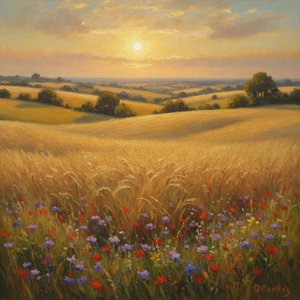
Golden Fields & Sun-Drenched Meadows: Capturing the Soul of Impressionist Landscapes
Immerse yourself in the luminous world of Impressionist landscapes. Discover how masters like Monet and Gauguin captured ephemeral light through plein air painting, and learn to bring the soul of sun-drenched meadows into your home with exquisite, hand-painted oil reproductions.

Capturing the Mist: The Timeless Beauty of British Landscape Impressionism
Explore the ethereal beauty of British Landscape Impressionism. Discover how masters captured light and mist through plein air techniques, offering a profound connection to the English countryside's timeless, atmospheric soul.
테마, 스타일, 특징별로 분류된 작품들을 만나보세요.


