


 실제 크기로 보기
 보내기
보내기 공유하기
공유하기
 상세 보기
상세 보기 가이드 보기

 이미지 다운로드
 유사 작품 더 보기
 X-레이
X-레이 슬라이드 쇼 보기
 통계 정보
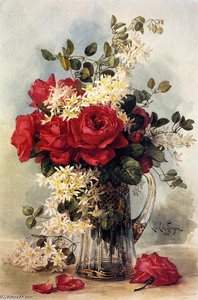
통계 정보Pansy Waltz


Paul de Longpre’s ‘Pansy Waltz’ watercolor captures serene beauty & nostalgic charm. Explore this realistic yet romantic floral still life – a timeless piece of 19th-century art.
Paul de Longpré (1855-1911) was a celebrated French & American flower painter renowned for his delicate watercolors. Discover the artist behind 'Le Roi de Fleur,' a pioneer of California art and Hollywood history, known for botanical accuracy & vibra
 상세 보기
상세 보기
핸드메이드 유화 복제화
작가가 직접 캔버스에 손으로 그린 유화 작품으로, 원하는 크기와 액자로 맞춤 제작해 드립니다. ( 프린트 판매로 전환 디지털 이미지 판매 채널로 전환)




































표준 규격
맞춤 제작
CM
INCH
작품의 원본 비율을 그대로 유지하는 프리셋 사이즈 중에서 선택해 보세요.
Loading sizes...

가로 너비
높이
액자나 벽면 크기에 맞춰 필요한 가로와 세로 길이를 입력해 주세요. 본 작품은 수작업으로 제작되므로, 요청하신 비율에 따라 작가가 그림의 가장자리를 조금 더 넓게 그리거나 일부를 조정하여 작업할 수 있습니다. 작업 시작 전, 최종 확인을 위해 디지털 목업 이미지를 보내드립니다. 이 페이지에 표시된 이미지는 실제 결과물과 다를 수 있으며, 오직 목업 이미지만이 정확한 결과물을 보여줍니다.
변경 가능한 예시: 얼굴을 고객님의 사진으로 교체, 반려동물 추가(예: 고양이를 강아지로 변경), 배경에 숨겨진 메시지 삽입, 배경 풍경 또는 요소 변경 등
주문 완료 후 TopImpressionists.com 팀에서 상세 안내를 위해 고객님께 이메일을 보내드리며, 미리보기 시안을 함께 제공해 드립니다.
주문 완료 후 TopImpressionists.com 팀에서 상세 안내를 위해 고객님께 이메일을 보내드리며, 미리보기 시안을 함께 제공해 드립니다.


 유리 옵션은 110cm 미만 크기에서만 선택 가능합니다.

Pansy Waltz
재현 매체
복제본 규격
-


총 결제 금액
₩ 364762


작가 소개
A Pioneer of California Impressionism
Paul de Longpré (1855-1911) stands as a singular figure in the annals of American art history—a French expatriate who irrevocably shaped the aesthetic landscape of Hollywood and championed botanical accuracy with an unparalleled sensitivity. Born in Lyon, France, he embarked on an artistic journey entirely independent of formal training, honing his skills through observation and tireless dedication. From the tender age of twelve, he established himself as a successful painter of fans—a craft that demanded meticulous detail and a profound understanding of color and texture—laying the groundwork for his later mastery of watercolor.
His breakthrough came in 1876 when he debuted at the Paris Salon, attracting immediate attention and marking the commencement of a distinguished artistic career. However, fortune proved fickle; a disastrous investment in Parisian banking plunged him into financial hardship, prompting him to relocate to New York City in 1890. Despite facing adversity, de Longpré persevered, securing considerable acclaim for his floral paintings at an exhibition held in 1896—a pivotal moment that cemented his reputation as a visionary artist. His ability to capture the ephemeral beauty of nature through delicate washes and precise linework allowed his work to transcend mere illustration, reaching a level of fine art that resonated deeply with the public.
The Hollywood Estate and Botanical Mastery
Driven by a desire to foster cultural enrichment within the burgeoning city of Hollywood, philanthropist H.H. Wilcox generously bestowed upon him three acres of land on Cahuenga Canyon – a location that would become synonymous with California’s artistic spirit. Collaborating with architect Louis Bourgeois, de Longpré envisioned a magnificent residence embodying Mission Revival style—a deliberate homage to Spanish colonial architecture—complete with an expansive flower garden designed to inspire creativity and serve as a backdrop for his artwork. The gallery within the home was specifically conceived to showcase his botanical wonders, turning his private sanctuary into a major cultural landmark.
This estate became more than just a residence; it was a living laboratory of color. De Longpré planted thousands of rose bushes, creating a lush, immersive environment that fed his obsession with perfection. He famously painted only the most flawless specimens, seeking to unite scientific botanical knowledge with an emotive, artistic touch. His works, such as Double Peach Blossoms and White Fringed Poppies, achieved immense popularity through widespread reproductions in magazines and seed packages, making him a household name across the United States. Through his brush, the delicate essence of a petal or the subtle gradient of a bloom was immortalized, bridging the gap between the natural world and the human soul.
Legacy of a Floral Visionary
The historical significance of Paul de Longpré lies in his unique ability to blend the precision of a naturalist with the romanticism of an Impressionist. While his technical skill allowed for the mass reproduction of his art, the emotional depth of his watercolors remained intact, capturing a sense of fleeting beauty that continues to captivate collectors today. His influence can be seen in the way he helped establish Southern California as a legitimate center for fine art, moving the focus away from purely European traditions toward a new, vibrant American aesthetic.
Today, his legacy is preserved in prestigious institutions such as the Los Angeles County Museum of Art and the Irvine Museum. He remains remembered not just as a painter of flowers, but as an architect of culture who transformed a dusty canyon into a blooming paradise of artistic inspiration. His life serves as a testament to the power of resilience and the enduring allure of the natural world.

Paul de Longpré
1855 - 1911 , France
작가 정보 요약
- Full Name: Paul de Longpré
- Nationality: French
- Date Of Birth: 1855
- Date Of Death: 1911
- Place Of Birth: Lyon, France
- Notable Artworks:
- Le Roi de Fleur
- Landscape at Feu de Broussailles
- Pansy Waltz
- Artistic Movement Or Style: Flower Painting
관련 기사

Capturing Light: The Ethereal Beauty and Timeless Legacy of Watercolor Landscapes
Embark on a visual journey through the ethereal beauty of watercolor landscapes. Discover how Impressionist masters captured light and emotion, and learn to bring this timeless, luminous elegance into your home with expert art curation and hand-painted reproductions.