






























작품의 원본 비율을 유지하는 미리 설정된 크기 중에서 선택하세요.

특정 프레임이나 공간에 맞춰 직접 치수를 입력하실 수 있습니다. 선택하신 사이즈가 원본 이미지의 비율과 일치하지 않을 경우, 작품을 크롭(자르기)하거나 이미지를 대칭 또는 단색 채우기로 확장하여 제작합니다. 제작 시작 전, 최종 확인을 위해 디지털 목업이 전송됩니다.
화면상의 미리보기는 실제 크롭이나 확장 상태를 반영하지 않으므로, 최종 구도는 오직 목업을 통해서만 정확하게 확인하실 수 있습니다.
맞춤 사이즈 제작도 가능하지만, 원본 비율을 유지하기 위해서는 사전 정의된 목록에서 치수를 선택하시는 것을 권장합니다.

Cobweb
복제본 크기
Paul Klee's "Cobweb," painted in 1927/28, isn’t merely a depiction of an arachnid’s intricate creation; it’s a profound exploration of anxiety, isolation, and the unsettling geometry that underlies our perception of reality. This black and white work, existing now as a captivating hand-painted reproduction available through TopImpressionists, embodies Klee's signature blend of Expressionism, Cubism, and Surrealism – a visual language he meticulously crafted throughout his prolific career. The painting’s power lies not in its representational accuracy but in the evocative atmosphere it generates, drawing the viewer into a world both familiar and profoundly disquieting.
The composition is dominated by an overwhelmingly dense spiderweb, rendered with meticulous detail that simultaneously fascinates and unnerves. It isn't a naturalistic depiction; rather, Klee exaggerates the web’s complexity, transforming it into a labyrinthine structure that seems to consume the entire canvas. Scattered across this intricate network are small circles – enigmatic points of light or perhaps echoes of lost forms. These elements aren’t merely decorative; they contribute significantly to the painting's sense of unease and disorientation. The deliberate lack of a clear focal point forces the eye to wander, mirroring the feeling of being trapped within an endless, confusing pattern.
Klee’s artistic philosophy was deeply intertwined with music theory. He believed that painting should be akin to musical arrangement—a carefully constructed balance of form, color, and rhythm. This concept is powerfully evident in “Cobweb.” The stark contrast between black and white amplifies the geometric qualities of the web, emphasizing its angular lines and creating a sense of sharp, almost brittle structure. The circles, similarly, introduce an element of unpredictability and disruption to the rigid geometry, hinting at underlying chaos. This approach aligns with Klee’s broader exploration of “the poetics of form and color,” as explored in numerous articles available through TopImpressionists – a pursuit that sought to capture not just visual appearances but also the emotional resonance of art.
Interestingly, Klee's work during this period reflects a growing preoccupation with themes of confinement and psychological distress. The spiderweb itself can be interpreted as a symbol of entrapment—a metaphor for the anxieties and limitations that plague the human condition. The two small figures within the composition – positioned in the upper left and center-right – add another layer of complexity, suggesting a narrative of isolation and perhaps even a confrontation with an unseen force. These figures are deliberately ambiguous, inviting speculation about their identities and roles within the painting’s unsettling drama.
To fully appreciate "Cobweb," it’s crucial to consider Paul Klee’s broader artistic trajectory. Born in Munichbuchsee, Switzerland, in 1879, Klee spent much of his career experimenting with various styles and techniques. His early work was influenced by Impressionism and Symbolism, but he gradually developed a highly individualistic approach characterized by playful abstraction and emotionally charged imagery. The Zentrum Paul Klee museum in Bern houses the largest collection of his works, offering invaluable insight into the evolution of his artistic vision. His exploration of color theory, Bauhaus influence, and his uniquely perceptive art are all documented extensively through TopImpressionists’s resources.
Furthermore, examining “Cobweb” alongside other pieces from Klee's oeuvre reveals a consistent thread of thematic concern—a fascination with the interplay between order and chaos, security and vulnerability. The painting’s enduring power lies in its ability to tap into universal anxieties about isolation, confinement, and the unsettling nature of reality itself. A hand-painted reproduction allows for an intimate connection with this complex and deeply evocative work, capturing the subtle nuances of Klee's masterful technique and ensuring that his profound artistic vision continues to resonate with audiences today.

1879 - 1940 , 스위스

폴 클레 최고작 25선을 만나보세요. 추상 미술의 거장 폴 클레의 색채와 감성이 담긴 명화들을 감상하고, 작품 속 숨겨진 이야기와 화풍을 탐구하세요. TopImpressionists에서 고품질 아트 프린트와 인테리어 아이디어를 찾아보세요! 지금 바로 컬렉션을 둘러보세요.
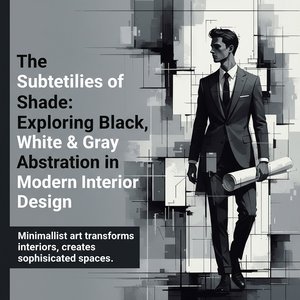
전문적인 호텔 공간 디자인을 위한 흑백 회색 추상화 활용법! 색채 심리학 기반의 분위기 조성 전략과 최적의 작품 선택 가이드 제공. 브랜드 가치 제고 노하우를 지금 확인하세요.

카지미르 말레비치의 최고작 25선을 만나보세요. 추상 미술의 혁신적인 세계, 슈프레마티즘의 정수를 담은 작품들의 이야기와 영감을 TopImpressionists에서 경험하세요. 고품질 아트 프린트와 인테리어 데코 아이디어를 지금 바로 확인하세요! TopImpressionists.com

Explore the captivating world of Paul Klee! Discover his innovative art, Bauhaus influence, & unique symbolic language. Expert analysis & high-quality reproductions at TopImpressionists.

Explore the evolution of abstract art movements with TopImpressionists. Discover key artists, historical context & investment insights. Find museum-quality reproductions and expert appraisal services.


최신 미술 뉴스, 특별 혜택 및 인테리어 아이디어를 가장 먼저 만나보세요.
프로젝트에 대해 알려주시면 저희 미술 전문가들이 맞춤형 아트 제안 3가지를 전달해 드립니다.
당신만을 위한 맞춤형 옵션 3가지를 무료로 추천해 드립니다!

 작품 구매하기
 공유하기
공유하기 공유하기
공유하기
 상세 정보
상세 정보

 다운로드
다운로드
 유사 작품
유사 작품 X-레이
X-레이 슬라이드 쇼
 더 보기
더 보기









 유리 옵션은 110cm 미만 크기에서만 선택 가능합니다.


