

표시된 작품: · 액자 포함:
 미리보기
미리보기
 공유하기
공유하기 공유하기
공유하기
 상세 정보
상세 정보 가이드 보기

 다운로드
다운로드
 유사 작품 더 보기
 X-레이
X-레이 슬라이드 쇼 보기
 질의응답
질의응답 통계 정보
통계 정보
- 16.0 x 25.0 cm


₩ 360714
핸드메이드 유화 복제화
작가가 직접 캔버스에 손으로 그린 유화 작품으로, 원하는 크기와 액자로 맞춤 제작해 드립니다. ( 프린트 판매로 전환 디지털 이미지로 전환)
사이즈
·표준 규격
맞춤형
CM
INCH
작품의 원본 비율을 그대로 유지하는 프리셋 사이즈 중에서 선택해 보세요.
사이즈 불러오는 중...

가로 너비
세로 길이
액자나 벽면 크기에 맞춰 필요한 가로와 세로 길이를 입력해 주세요. 본 작품은 수작업으로 제작되므로, 요청하신 비율에 따라 작가가 그림의 가장자리를 조금 더 넓게 그리거나 일부를 조정하여 작업할 수 있습니다. 작업 시작 전, 최종 확인을 위해 디지털 목업 이미지를 보내드립니다. 이 페이지에 표시된 이미지는 실제 결과물과 다를 수 있으며, 오직 목업 이미지만이 정확한 결과물을 보여줍니다.
 더 알아보기
완료
·
화이트 테두리 ₩1

블러사이드 ₩1

옆면 확장형 ₩1

P118B ₩10

P118H ₩10

P118W ₩10

P438Z ₩10

P508JH ₩12

P508YH ₩12

P805H ₩10

P805Z ₩10

P919BZ ₩10

P919G ₩10

P919XJ ₩10

P959ZH ₩10

P968JZ ₩12

W106C ₩8

W218G ₩10

W218JH ₩8

W218Y ₩10

W307PJ ₩10

W316G ₩10

W316PJ ₩8

W316Y ₩10

W398PJ ₩8

W4111J ₩10

W500HY ₩15

W500JH ₩15

W692G ₩12

W849H ₩8

W940BG ₩15

W953PJ ₩8

H24-GOLD ₩30

H24-SILVER ₩30

H36-GOLD ₩45

H36-SILVER ₩45
보호용 튜브에 담겨 안전하게 배송되며, 고객님께서 직접 액자에 끼워 사용하실 수 있습니다.
105cm를 초과하는 프레임은 전문 액자 제작사를 위한 키트 형태로 배송됩니다 — 자세한 내용을 확인하세요.
추가 서비스
선택 사항추가 구성품에는 무엇이 포함되어 있나요?
변경 가능한 예시: 얼굴을 고객의 사진으로 교체, 반려동물 추가 (예: 고양이를 강아지로 변경), 배경에 숨겨진 메시지 포함, 배경 풍경 또는 요소 변경.
주문 완료 후, TopImpressionists.com 팀에서 상세 안내를 위해 고객님께 이메일을 보내드리며, 시안 미리보기를 제공해 드립니다.
주문 완료 후, TopImpressionists.com 팀에서 상세 안내를 위해 고객님께 이메일을 보내드리며, 시안 미리보기를 제공해 드립니다.
전 세계 배송()은 표준 5주 대신 3~4주 내에 완료됩니다. (9 11월). 품질에는 어떠한 타협도 하지 않습니다.
보호용 바니시
작품 설명문
동판 각인 상세 정보
This elegant plaque features the artist's name and the title of the artwork, finely engraved for a timeless presentation.
It is made from bronze with a refined, elegant finish. The text is precisely laser-engraved for a sharp and permanent result. Measuring 9x2 cm, the plaque is compact yet easy to read. It's built to be durable and scratch-resistant, offering a professional, museum-quality look. Mounting is simple thanks to the included adhesive backing.
투명 아크릴 명판 상세 정보
The plaque includes essential engraved details such as the artist's name, the title of the artwork, the date it was created, the type of media used-like oil on canvas or watercolor-a brief description of the piece, and a QR code that links to the complete artwork information.
It is crafted from clear acrylic, offering a sleek, modern appearance. The text is UV-engraved in black to ensure strong visual contrast. With a size of 10x15 cm, it ensures optimal readability. It comes equipped with two metal hooks for secure wall mounting. The plaque is designed to be weather-resistant, making it suitable for various environments, and it includes interactive features that work seamlessly with smartphone scanning.
블랙 아크릴 명판 상세 정보
This elegant plaque includes engraved information such as the artist's name, the title of the artwork, the date it was created, the type of media used (like oil on canvas or watercolor), a short description of the artwork, and a QR code for quick access to more information.
The plaque itself is made from refined black acrylic with a premium finish. The text is laser-engraved in white for high contrast and readability. Its size is 10x15 cm, designed to be easy to read. It comes with two metal hooks for professional mounting. The design is sleek and fits any interior style. It is also weather-resistant and durable, with built-in digital integration for mobile compatibility.
유리 옵션은 110cm 미만 크기에서만 선택 가능합니다.
 유리 옵션은 110cm 미만 크기에서만 선택 가능합니다.
- 전 세계 무료 특급 배송
- 프리미엄 린넨 캔버스
- 배송 전 과정 보험 적용
- 관세 및 수입세 환급 보장 서비스
- 원본과 동일한 색상 구현 보장
- 100일 이내 반품 정책 (결함 발생 시)
- 100% 환불 보장
- 다량 구매 할인 혜택


수집품 상세 설명
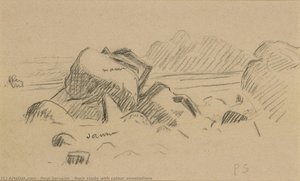
Discover Paul Sérusier's detailed rock study capturing a serene beach scene with evocative color annotations; own a piece of Post-Impressionist mastery today.
작가 프로필
프랑스 후기 인상주의 화가 폴 세뤼지에(1864-1927)를 만나보세요. 추상 미술의 선구자이자 나비파에 영향을 준 그의 클로아조니즘 양식과 대표작 '탈리스만'을 탐험해보세요.
작품 정보
A Study in Coastal Serenity: Paul Sérusier's Rock Composition
Paul Sérusier’s Rock study with colour annotations invites the viewer into a moment suspended between the permanence of nature and the fleeting passage of human experience. This piece is more than just a depiction of a beach; it is an intimate meditation on form, shadow, and the interplay between raw geological structure and gentle life. The composition centers around a magnificent foreground rock, its contours meticulously rendered, suggesting hours spent observing the tide’s slow artistry. Scattered around this anchor are smaller stones, each possessing its own unique character, inviting the eye to wander across the textured plane of the shore.
Mastery in Tone and Dimension
Technically, the painting showcases Sérusier's remarkable ability to build depth using subtle gradations of gray. The artist has employed a sophisticated tonal palette, allowing the various shades of gray to carve out dimension and volume within the seemingly simple subject matter. This careful handling of value gives the rocks an almost sculptural presence, making them feel tangible beneath one’s fingertips. While the core focus remains on this study in stone—a testament to observation—the inclusion of distant figures subtly anchors the scene in reality. They are witnesses to the quiet drama unfolding between the water and the enduring rock.
Echoes of Post-Impressionist Innovation
To appreciate this work is to understand its context within the vibrant currents of early 20th-century French art. Paul Sérusier, a pivotal figure associated with Les Nabis, was an artist constantly pushing boundaries toward abstraction. Though this piece retains a strong connection to observable reality—the beach, the rocks—it carries the intellectual weight of his later explorations. His journey, particularly his time under Gauguin’s influence, pushed him towards synthesizing color and form in revolutionary ways. Here, even within the seemingly academic study, one senses that underlying commitment to expressive structure, a hallmark of an artist pioneering modern vision.
Symbolism of Place and Time
The beach itself has always been a potent symbol—a liminal space where land meets sea, where solid ground dissolves into endless motion. The rocks, enduring against the ceaseless wash of the tide, symbolize resilience and permanence amidst change. The annotations visible within the study suggest an intellectual process at work; art here is not merely imitation but annotation, interpretation, and scholarly engagement with nature’s grammar. It speaks to a quiet contemplation—a moment where the artist pauses the rush of life to truly see.
Bringing Coastal Calm Home
For the collector or designer seeking an object that whispers sophistication rather than shouting for attention, this reproduction offers profound depth. The muted, earthy tones and the subject matter evoke immediate tranquility. Imagine this piece gracing a sunlit study or a coastal-inspired living space; it acts as a visual anchor, grounding the room with its quiet dignity. It is an invitation to slow down, to observe the subtle beauty in the overlooked details, making it a timeless acquisition that marries academic rigor with emotional resonance.
질의응답
폴 세뤼지에의 "Rock study with colour annotations"은 밝은 느낌의 작품인가요, 아니면 어두운 느낌의 작품인가요?
"Rock study with colour annotations"의 전체적인 밝기는 brilliant이며, 휘도는 Bright Balance입니다.
주문하기 전에 폴 세뤼지에의 "Rock study with colour annotations"를 미리 볼 수 있나요?
폴 세뤼지에의 "Rock study with colour annotations"의 복제본을 미리 보려면 작품의 가상 배치 미리보기 페이지를 확인해 주세요.
폴 세뤼지에의 "Rock study with colour annotations"과(와) 비슷한 느낌의 작품을 어떻게 찾을 수 있나요?
폴 세뤼지에의 "Rock study with colour annotations"과(와) 유사한 작품들은 해당 작품의 유사한 작품들 페이지에서 모아 보실 수 있습니다.
주요 정보 및 아트 퀴즈
폴 세뤼지에 소개

폴 세뤼지에
1864 - 1927, 프랑스
작가 정보
프랑스 미술의 선구자, 폴 세뤼지에
1864년 11월 9일 파리에서 태어난 루이-폴-앙리 세뤼지에는 프랑스 미술계에 깊은 발자취를 남긴 화가입니다. 그의 예술 여정은 아카데미 줄리안에서의 학업을 통해 시작되었고, 곧 그는 전위적인 나비파 운동과 추상 미술의 개척자로 자리매김하게 됩니다. 세뤼지에는 단순한 그림 기법을 넘어선 새로운 시각적 언어를 탐구하며 현대 미술의 지평을 넓혔습니다. 그의 작품은 전통적인 회화 방식에서 벗어나 강렬하고 평면적인 형태, 대담한 색채 대비를 특징으로 하며, 이는 곧 ‘클루아조니슴’이라는 독특한 스타일로 발전하게 됩니다.퐁타벤에서의 만남과 클루아조니슴의 탄생
세뤼지에게 결정적인 전환점은 1888년 여름, 브르타뉴 지방의 작은 마을 퐁타벤으로 떠난 여행이었습니다. 이곳에서 그는 폴 고갱을 비롯한 예술가들의 모임에 참여하며 깊은 영감을 받습니다. 특히 고갱과의 만남은 세뤼지에의 예술적 사고방식에 지대한 영향을 미쳤으며, 그의 대표작 중 하나인 “탈리스만”을 탄생시키는 계기가 됩니다. “탈리스만”은 클루아조니슴 기법을 극적으로 보여주는 작품으로, 어두운 윤곽선으로 분리된 강렬한 색면들이 추상적인 이미지를 형성합니다. 이 작품은 세뤼지에의 혁신적인 스타일과 새로운 표현 방식에 대한 그의 열정을 드러냅니다. 퐁타벤에서의 경험은 세뤼지에에게 단순화된 형태와 상징적인 색채를 통해 내면의 감정과 정신적 세계를 표현하는 방법을 제시했습니다.나비파 그룹 활동과 예술적 영향
세뤼지에는 포스트 인상주의 화가로서, 피에르 보나르, 에두아르 부야르, 모리스 드니 등과 함께 ‘나비파’(Nabis) 그룹을 결성하여 활동했습니다. 나비파는 성경에서 유래한 이름으로, '예언자' 또는 '선지자'를 의미합니다. 이들은 전통적인 미술 규범에 도전하고 새로운 예술적 가치를 추구하며 현대 미술의 발전에 중요한 역할을 했습니다. 세뤼지에의 작품은 나비파 그룹 내에서도 독특한 위치를 차지하며, 그의 클루아조니슴 기법은 다른 화가들에게도 큰 영향을 미쳤습니다. 그는 단순화된 형태와 상징적인 색채를 통해 그림의 본질적인 요소에 집중하고, 관람객에게 깊은 사색과 감동을 선사하고자 했습니다.주요 작품과 예술적 유산
세뤼지에는 “탈리스만” 외에도 “역우(L'Averse)”, “폴 랑송의 초상화”, “멜랑콜리”, “뱀을 먹는 사람들” 등 수많은 걸작을 남겼습니다. “역우”는 강렬한 색채와 단순화된 형태를 통해 비 오는 날의 분위기를 효과적으로 표현하며, “폴 랑송의 초상화”는 인물의 내면 심리를 섬세하게 포착하여 깊은 감동을 선사합니다. 세뤼지에는 후기에는 아카데미 란송에서 가르치며 젊은 예술가들을 양성하는 데 힘썼으며, 1921년에는 “회화의 ABC”라는 책을 출판하여 자신의 예술 이론과 철학을 정리했습니다. 1927년 10월 7일 모를라에서 세상을 떠난 세뤼지에는 추상 미술의 선구자로서, 나비파 운동의 핵심 인물로서 현대 미술사에 길이 남는 중요한 화가로 평가받고 있습니다.세뤼지에 예술 세계의 핵심
- 예술 사조: 포스트 인상주의
- 영향을 준 예술가: 폴 고갱, 모리스 드니
- 출생일: 1864년 11월 9일
- 본명: 루이-폴-앙리 세뤼지에
- 국적: 프랑스
- 대표 작품: “탈리스만”, “역우”
- 출생지: 파리, 프랑스
폴 세뤼지에에 관한 주요 정보
- 국적: 프랑스
- 사망일: 1927년 10월 7일
- 영향을 받은 예술가/사조: ['나비파']
- 영향을 준 예술가:
- 폴 고갱
- 모리스 드니
- 예술 사조: 후기 인상주의
- 이름: 루이-폴-앙리 세뤼지에
- 주요 작품:
- 탈리스만
- 폭우
- 폴 랑송 초상
- 출생일: 1864년 11월 9일
- 출생지: 프랑스 파리
유사한 작품들


폴 세뤼지에
Rock study with colour annotations
() ·
액자 포함: · 린넨 위에 유채로 직접 그린 작품
총액