

 미리보기
미리보기
 공유하기
공유하기 공유하기
공유하기
 상세 정보
상세 정보 가이드 보기

 다운로드
다운로드
 유사 작품 더 보기
 X-레이
X-레이 슬라이드 쇼 보기
 질의응답
질의응답 통계 정보
통계 정보The Blue Dress

- 91.0 x 71.0 cm


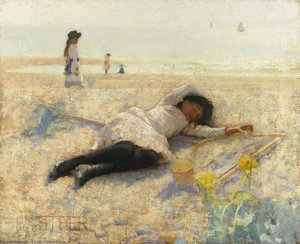
Philip Wilson Steer's 'The Blue Dress' (1892) captures a poignant moment of introspection, rendered with Impressionistic light and a melancholic mood. Explore this beautiful Pre-Raphaelite painting.
 더 보기
더 보기
Philip Wilson Steer(1860-1942)는 빛과 색채를 활용한 인상주의 풍경화와 해경화를 그린 영국 화가입니다. 마네와 휘슬러의 영향을 받아 Tate, Uffizi 등 세계 주요 미술관에 작품이 소장되어 있습니다.
지클레 / 아트 프린트
빠른 제작과 다양한 마감 옵션을 제공하는 박물관 수준의 지클레이 및 캔버스 프린트. ( 수작업 채색 복제본 주문하기 디지털 이미지로 전환)




P118B ₩10

P118H ₩10

P118W ₩10

P438Z ₩10

P508JH ₩12

P508YH ₩12

P805H ₩10

P805Z ₩10

P919BZ ₩10

P919G ₩10

P919XJ ₩10

P959ZH ₩10

P968JZ ₩12

W106C ₩8

W218G ₩10

W218JH ₩8

W218Y ₩10

W307PJ ₩10

W316G ₩10

W316PJ ₩8

W316Y ₩10

W398PJ ₩8

W4111J ₩10

W500HY ₩15

W500JH ₩15

W692G ₩12

W849H ₩8

W940BG ₩15

W953PJ ₩8




표준 규격
맞춤형
CM
INCH
작품의 원본 비율을 그대로 유지하는 프리셋 사이즈 중에서 선택해 보세요.
Loading sizes...

가로 너비
세로 길이
액자나 벽면 크기에 맞춰 필요한 가로와 세로 길이를 입력해 주세요. 프린트는 원본 이미지보다 크게 제작할 수 없으며 오직 자르는 것만 가능하므로, 비율이 다른 사이즈를 선택할 경우 이미지의 일부가 잘려 나갈 수 있습니다. 인쇄 작업에 들어가기 전, 최종 확인을 위해 디지털 목업을 보내드립니다. 이 페이지에 표시된 이미지는 실제 잘리는 영역을 나타내지 않으며, 오직 목업을 통해서만 정확한 확인이 가능합니다.


 유리 옵션은 110cm 미만 크기에서만 선택 가능합니다.

The Blue Dress
지클레 / 아트 프린트
복제본 크기
-


최종 결제 금액
₩ 93734
A Moment of Quiet Contemplation: Exploring “The Blue Dress”
Philip Wilson Steer’s “The Blue Dress,” painted in 1892, isn't merely a portrait; it’s a carefully constructed tableau of mood and introspection. The painting depicts a young woman seated before a window, bathed in the diffused light that suggests an early autumn afternoon. Her posture is relaxed yet alert, her gaze directed outwards, lost in thought – a subtle invitation for the viewer to share in her quiet contemplation. Steer masterfully employs a muted palette of blues and greens, punctuated by the warm tones of the wooden chair and the window frame, creating a sense of both intimacy and spaciousness. The brushstrokes are loose and impressionistic, prioritizing capturing the *feeling* of light and atmosphere over precise detail, a hallmark of Steer’s evolving style.
Steer's artistic journey was deeply rooted in his family’s artistic heritage. Born in Birkenhead to a portrait painter father, he absorbed an early appreciation for observation and representation. His time in Paris during the 1880s proved pivotal, exposing him to the burgeoning Impressionist movement and influencing his technique—particularly his focus on capturing fleeting moments of light and color. However, unlike many of his Parisian contemporaries, Steer never fully abandoned a more traditional English sensibility, incorporating elements of Pre-Raphaelite romanticism into his work, as evidenced by the woman’s serene expression and the carefully rendered details of her dress.
The Dress: Symbolism and Narrative
The central element, of course, is the blue dress itself. It's not simply a garment; it represents a complex layering of meaning. The color blue has long been associated with melancholy, introspection, and even spirituality – fitting for a woman seemingly lost in her own thoughts. The fabric’s folds and textures invite close inspection, hinting at a story unspoken. Some art historians suggest the dress might allude to Victorian mourning customs, subtly referencing a past loss or sorrow—a common theme in Steer's oeuvre. The window behind her acts as a visual metaphor for opportunity and escape, while simultaneously emphasizing her isolation within the domestic sphere.
Furthermore, the composition itself is carefully balanced. The woman’s placement within the frame draws the eye to the window, creating a sense of depth and inviting the viewer to share in her perspective. The subtle details – the drape of the curtain, the texture of the chair—contribute to a richly layered visual experience that rewards careful observation. It's a painting designed not just to be *seen*, but to be *felt*.
Technique and Historical Context
Steer’s technique in “The Blue Dress” is characterized by his masterful use of light and color. He employs broken brushstrokes, layering thin washes of paint to create a luminous effect—a signature characteristic of the Impressionist movement. The subtle gradations of tone suggest a soft, diffused light filtering through the window, casting delicate shadows across the woman’s face and dress. The painting was created during a period of significant social and artistic change in Britain, as traditional academic art styles were being challenged by new movements like Impressionism and Post-Impressionism. Steer's work reflects this shift, embracing a more subjective and expressive approach to representation.
A Timeless Portrait of Inner Life
“The Blue Dress” transcends its simple subject matter to become a poignant meditation on the human condition. It’s a portrait not just of a woman, but of a moment—a quiet pause in the flow of life, filled with introspection and unspoken emotions. Reproductions of this work offer a beautiful opportunity to bring Steer's evocative vision into any interior space, inviting contemplation and adding a touch of understated elegance. Its enduring appeal lies in its ability to resonate with viewers on a deeply personal level—a reminder that even in the most ordinary moments, there is always room for beauty, mystery, and quiet reflection.
질의응답
"The Blue Dress"의 주제가 필립 윌슨 스티어 작가의 평소 작업 세계와 어떤 연관이 있나요?
필립 윌슨 스티어의 주요 주제인 french impressionism, victorian era, domesticity, melancholy, steer’s style 중에서도, "The Blue Dress"은 woman, dress, window, interior, reflection, thoughtful, 1892에 독자적인 초점을 맞추고 있습니다.
원작 필립 윌슨 스티어의 "The Blue Dress"의 기법과 크기는 어떻게 되나요?
필립 윌슨 스티어의 "The Blue Dress"의 기법은 Acrylic On Canvas이며, 크기는 91 x 71 cm입니다.
"The Blue Dress"의 색상들이 서로 어떻게 조화를 이루고 있나요?
필립 윌슨 스티어의 "The Blue Dress"은(는) Strong Color Unity 색채 조화를 보여줍니다.




작가 정보
초기 생애와 예술적 기반
1860년 버켄헤드에서 태어난 필립 윌슨 스티어는 예술가 가문 출신이었다. 그의 아버지는 초상화 화가이자 헌신적인 미술 교사였다. 이러한 어린 시절의 경험은 그의 삶을 정의할 감성을 키워주었다. 세 살 때 먼모스 근처 휘트처치로 이사하면서 그는 작품 전체에 울려 퍼질 영국 전원과의 연결고리를 다졌다. 공식 교육은 히어퍼드 대성당 학교에서 시작하여 탄탄한 기초를 쌓았지만, 그의 예술적 야망을 본격적으로 추구하기 시작했다. 스티어의 훈련은 글루체스터 미술학교와 사우스 켄싱턴 드로잉 학교에서 이어졌지만, 1880년부터 1884년까지 파리로 떠난 여정이 진정으로 혁신적인 전환점이 되었다. 아카데미 줄리앙에서 공부하고 에콜 데 보자르에서 알렉상드르 카바넬의 지도를 받으면서 그는 새로운 아이디어와 회화 접근 방식이 넘쳐나는 세계를 접했다.인상주의 수용과 독특한 스타일
파리는 스티어의 예술적 발전을 위한 용광로가 되었다. 그는 에두아르 마네와 제임스 맥닐 휘슬러의 작품에 깊은 감명을 받아 빛, 색채, 분위기를 포착하는 혁신적인 기법을 흡수했다. 이러한 경험은 그에게 인상주의에 대한 열정을 불러일으켰지만, 그는 단순히 모방하지 않았다. 스티어는 프랑스의 영향을 본능적인 영국적 감성과 능숙하게 결합하여 자신만의 독특한 스타일을 창조했다. 그의 그림은 햇빛이 물 위에서 춤추는 순간, 해안 공기의 일시적인 특성 등 변화무쌍한 순간을 포착하는 놀라운 능력으로 특징지어진다. 그는 느슨한 붓놀리와 생생한 색채를 사용하여 장면을 묘사할 뿐만 아니라 감정을 불러일으키고 몰입감 있는 느낌을 조성했다. 그의 작품에서 반복적으로 등장하는 주제는 은빛 투명한 빛에 잠긴 해변 풍경과 바다 풍경이며, 이러한 환경의 신선함과 광휘를 묘사하는 능력을 보여준다. 초기 작품인 음악 방은 구성 및 빛에 대한 그의 뛰어난 재능을 보여주며, 서퍽 연안 마을의 활기찬 에너지가 넘치는 월버스윅 부두에서 달리는 소녀들과 같은 작품은 그의 성숙한 기량을 드러낸다.현대 미술 옹호와 에타플 영향
스티어는 단순히 그림을 그리는 데 만족하지 않고 영국 예술계를 적극적으로 형성했다. 그는 현대적인 예술적 표현을 옹호하는 조직인 뉴잉글리시 아트 클럽 설립에 중요한 역할을 했다. 이는 전통적인 취향이 여전히 지배적이던 시대에 대담한 움직임이었다. 정기적인 전시회와 1889년 런던 인상주의 전시회 참여를 통해 그는 새로운 아이디어를 소개하고 기존 규범에 도전했다. 1887년 에타플 예술가 식민지에서 보낸 시간은 그의 예술적 비전을 더욱 발전시켰다. 이 활기찬 공동체는 실험과 협업을 위한 자극적인 환경을 제공하여 빛과 분위기를 점점 더 미묘하고 능숙하게 포착하는 능력을 강화했다. 스티어는 존 콘스터블, J.M.W. 터너, 심지어 프랑수아 부셰와 같은 다양한 거장의 영감을 받았지만, 항상 이러한 영향을 자신만의 독특한 관점을 통해 걸러냈다.유산, 인정 및 지속적인 영향
필립 윌슨 스티어는 건강 문제로 인해 1940년에 그림을 그리는 것을 중단하고 2년 후 81세의 나이로 세상을 떠날 때까지 끊임없이 작품 활동을 이어갔다. 그의 공헌은 생전에 널리 인정받았으며, 공훈 훈장을 받았다. 오늘날 그의 작품은 테이트 갤러리와 우피치 미술관을 포함한 전 세계 유명 컬렉션에 소장되어 국제적인 명성을 입증한다. 그림 자체 외에도 스티어의 유산은 슬레이드 미술학교에서 오랜 기간 동안 가르친 교수 활동을 통해 이어졌다. 수년 동안 그는 젊은 예술가들에게 기술적 기량뿐만 아니라 관찰력과 예술적 성실성에 대한 깊은 감상을 심어주었다. 영국 인상주의 발전 및 수용에 대한 그의 공헌은 부인할 수 없으며, 전통과 현대 사이의 격차를 성공적으로 해소하고 영국 미술 풍경에 지울 수 없는 흔적을 남긴 중요한 인물로서의 그의 입지를 확고히 했다. 회복 중인 환자와 같은 주목할 만한 작품은 풍부한 질감과 감동적인 시선으로, 그리고 러들로의 테임 강은 고요한 아름다움과 능숙한 붓놀기를 강조하며 오늘날에도 관객을 사로잡고 있으며 그의 예술적 비전의 시대를 초월하는 품질을 보여준다.
필립 윌슨 스티어
1860 - 1942 , 영국
작가 정보 요약
- 국적: 영국
- 사망일: 1942년
- 영향을 받은 예술가: ['영국 인상주의']
- 영향을 준 예술가:
- 마네
- 휘슬러
- 터너
- 예술 사조: 인상주의
- 이름: 필립 윌슨 스티어
- 주요 작품:
- 음악실
- 달리는 소녀들
- 회복 중 환자
- 출생일: 1860년
- 출생지: 버켄헤드, 영국
관련 콘텐츠
The Allure of Azure: Exploring the Symbolic & Aesthetic Depths of Blue in Art History
Explore the rich history of blue in art! Discover its symbolism, from ancient pigments to modern masterpieces by Kandinsky & Seurat. Uncover the psychological impact and cultural meanings behind this captivating hue.

Slate Blue Masterpieces: 10 Iconic Paintings & Timeless Home Decor Ideas
Immerse yourself in the captivating world of slate blue! Explore 10 iconic paintings by Monet, Van Gogh & Renoir. Discover their stories, techniques & find museum-quality art reproductions for your home at .

Azure Visions: Exploring Representations of the Blue Dress in Western Art History
Explore the rich history of the blue dress in Western art! Discover its symbolism, from Renaissance masterpieces to modern interpretations by artists like Martin & Schiele. Uncover cultural meanings and artistic techniques.

폴 세잔 명작 25선: 시대를 초월하는 예술과 공간의 미학 | TopImpressionists
폴 세잔의 시대를 초월하는 명작 25점을 만나보세요. 인상주의를 넘어 후기 인상주의를 개척한 화가의 예술 세계와 정물화, 풍경화 속 숨겨진 이야기를 TopImpressionists에서 감상하세요. 고품질 아트 프린트와 캔버스 액자로 공간에 예술을 더해보세요! 지금 바로 컬렉션을 탐험하세요.

Philip Wilson Steer: Capturing Modern Life & British Impressionism's Essence
Explore the life & art of Philip Wilson Steer, a leading British Impressionist painter. Discover his coastal scenes, influences, and legacy. Expert analysis & high-quality reproductions at TopImpressionists.
