


 실제 크기로 보기
 보내기
보내기 공유하기
공유하기
 상세 보기
상세 보기 가이드 보기

 이미지 다운로드
 유사 작품 더 보기
 X-레이
X-레이 슬라이드 쇼 보기
 Q&A
Q&A 통계 정보
통계 정보La Roche-Guyon


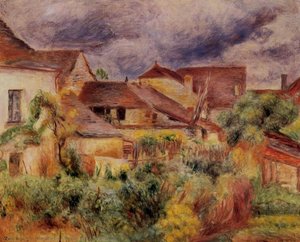
Discover Pierre-Auguste Renoir's 'La Roche-Guyon,' a serene landscape capturing village charm & Impressionist light. Explore this iconic painting’s details, artistic style, and its place in art history.
 상세 보기
상세 보기
피에르 오귀스트 레노아는 인상주의 화가로 유명하며 그의 작품들은 빛과 색채를 섬세하게 표현하여 삶의 아름다움을 담았습니다. 특히 루농 드 보타이 경회록과 광장 무용회 같은 그림은 인상주의 스타일을 대표하며 미술사에서 중요한 위치를 차지합니다.
웹 미리보기 화면을 훨씬 뛰어넘는 인쇄용 파일을 만나보세요. 저희가 판매하는 모든 디지털 이미지는 스톡 데이터베이스 내의 고해상도 마스터 파일(일반적으로 가로 5,000~15,000픽셀)을 기반으로 합니다. 따라서 대형 인쇄나 정밀한 크롭 작업 시에도 세밀한 디테일을 자신 있게 구현할 수 있습니다.
저희 스튜디오를 거치는 모든 파일은 정교한 손길을 거칩니다. 디지털 전문가가 원작과 대조하여 색상을 점검하고 필요 시 보정하며, 전문 리터칭 도구를 사용하여 선명도와 디테일을 높입니다. 이 과정에서 작가의 붓 터치와 화풍을 충실히 유지하는 것을 원칙으로 합니다. 그 결과, 단순한 스캔본에 필터를 입힌 듯한 느낌이 아닌, 마치 실제 회화 작품을 보는 듯한 이미지를 구현해냅니다.
최종 완료 전 확인 단계가 있습니다. 전문가가 검토하실 수 있도록 72시간 이내에 이메일로 이미지를 보내드립니다. 결과물이 만족스럽지 않으신가요? 수정이나 보완을 요청하시거나, 품질이 기대에 미치지 못할 경우 환불을 요청하실 수 있습니다.
출판사, 디자인 스튜디오, 갤러리 및 인쇄소가 신뢰하는 바로 그 품질입니다.
디지털 이미지
개인 소장 및 전시, 인쇄, 창작 프로젝트를 위한 고해상도 파일을 다운로드하세요. ( 프린트 판매로 전환 수작업 채색 복제본 주문하기)
모든 디지털 이미지 주문 시 제공되는 혜택
전문적인 디지털 이미지 전송 보장
TopImpressionists.com를 선택하시면 단순히 이미지를 받는 것을 넘어, 정밀한 보정 과정을 거쳐 완성된 전문적인 디지털 예술 작품을 만나보실 수 있습니다. 모든 작품에는 만족 보장 서비스가 함께 제공되며, 주문 시 다음과 같은 사항들이 자동으로 포함됩니다:

빠른 이메일 수령
주문 후 72시간 이내에 고해상도 디지털 이미지 파일이 이메일로 발송되며, 즉시 사용하실 수 있습니다.

AI 기술로 최적화된 디지털 파일
귀하의 작품은 고급 AI 기술과 정교한 수동 편집 과정을 거쳐 전문적으로 최적화되며, 이를 통해 디테일과 선명도, 색상의 정확도를 극대화합니다.

평생 무료 재전송 서비스
파일을 실수로 삭제하거나 분실하셨나요? 걱정 마세요. 언제든 무료로 다시 보내드립니다.

추가 수입 비용 없음 - 언제나
관세나 부가세, 배송비 부담 없이 작품을 즉시 소장하세요 - 디지털 다운로드는 언제나 면세 혜택이 적용됩니다.

정확한 색상 보장
전문적인 도구와 색상 관리 시스템을 통해 디지털 이미지가 원본의 색상을 최대한 정확하게 구현하도록 보장합니다.

100일 만족 보장제
구매하신 디지털 이미지에 만족하지 못하실 경우, 100일 이내에 별도의 조건 없이 수정 또는 100% 환불을 진행해 드립니다.

100% 환불 보장
만족스럽지 않으신가요? 디지털 파일을 받으신 후 100일 이내에 조건 없이 전액 환불해 드립니다.

대량 주문 할인
이미지 3매 구매 시 10% 할인 - 5매 구매 시 15% 할인 - 10매 이상 구매 시 20% 할인. 크리에이티브 프로젝트, 갤러리, 에이전시에 매우 유용합니다.
La Roche-Guyon: A Serene Vision of Rural Life by Pierre-Auguste Renoir
Pierre-Auguste Renoir’s “La Roche-Guyon,” painted in 1885, isn't merely a landscape; it’s an immersion into a fleeting moment of idyllic tranquility. The painting captures the essence of a small French village nestled within the verdant folds of the Vexin region, a place seemingly untouched by the anxieties and rapid changes of its time. More than just a picturesque scene, “La Roche-Guyon” embodies Renoir’s signature Impressionist style – an attempt to capture not just what is seen, but also the *feeling* of light, atmosphere, and the transient beauty of everyday life.
The composition immediately draws the eye to the prominent house with its distinctive red roof, a beacon amidst the surrounding greenery. This central structure isn’t imposing; rather, it feels integrated into the landscape, as if grown organically from the earth itself. Smaller buildings—a modest chapel, perhaps, or a farmer's dwelling—are scattered thoughtfully throughout the scene, adding to the village’s charm and sense of community. Renoir masterfully employs a technique of layering trees – some close enough to almost touch the houses, others receding into the distance – creating an illusion of depth that pulls the viewer into this peaceful world. The artist's use of broken brushstrokes and vibrant color is particularly evident in the dappled sunlight filtering through the leaves, lending the scene a luminous quality that feels both realistic and dreamlike.
The Impressionist Palette: Light and Color as Subject
Renoir’s approach to painting was deeply influenced by his contemporaries within the Impressionist movement. Like Monet and Sisley, he prioritized capturing the effects of light on color rather than meticulously rendering every detail. In “La Roche-Guyon,” this is strikingly evident. The greens are not uniform; they range from deep emerald to pale lime, reflecting the varying conditions of light and shadow. Similarly, the reds of the roof and other structures aren’t solid blocks of color but instead shimmer with hints of orange and pink, mirroring the warmth of the sun. This deliberate manipulation of color is central to Renoir's ability to evoke a specific mood – one of serenity, warmth, and quiet contemplation.
The painting’s atmosphere is remarkably peaceful, almost suspended in time. It’s as if the scene has been captured at a moment when life unfolds at its own unhurried pace. The absence of figures—no villagers strolling through the streets, no children playing—further contributes to this sense of stillness and invites the viewer to simply *be* within the painting's embrace.
A Window into Renoir’s World and Artistic Context
To understand “La Roche-Guyon,” it’s helpful to consider Renoir’s broader artistic journey. Initially apprenticed as a porcelain painter, he found his true calling in capturing the vibrancy of Parisian life and the beauty of the natural world. His early works were influenced by artists like Rubens and Watteau, who emphasized sensuality and elegance. However, he also absorbed elements from Realist painters such as Courbet and Manet, particularly their depictions of modern urban scenes. “La Roche-Guyon” represents a culmination of these influences – a harmonious blend of beauty, observation, and Impressionistic technique.
The painting’s creation coincided with Renoir's time spent in La Roche-Guyon, a village he frequented during the summers of 1885 and 1886. This personal connection undoubtedly informed his artistic choices, allowing him to capture not just a landscape but also a feeling of belonging and appreciation for the simple pleasures of rural life. It’s a testament to Renoir's ability to transform an ordinary scene into something extraordinary through his masterful use of color, light, and composition.
Beyond the Canvas: Exploring Renoir’s Legacy
“La Roche-Guyon” stands as a significant example of Impressionism’s impact on art history. The movement's emphasis on capturing fleeting moments and subjective experiences revolutionized painting techniques and challenged traditional notions of representation. Renoir’s work, alongside that of Monet, Degas, and Cézanne, helped to establish the Impressionists as leading figures in the late 19th-century art world.
If you're captivated by the beauty and tranquility of “La Roche-Guyon,” TopImpressionists.com offers exquisite hand-painted reproductions that faithfully capture the painting’s original charm. Explore our collection to bring this timeless masterpiece into your home or office, allowing its serene atmosphere to inspire and uplift.
Further Exploration: For a deeper dive into Renoir's artistic life, we recommend visiting our artist page or browsing our selection of other Impressionist masterpieces at TopImpressionists.com.
질의응답
"La Roche-Guyon"의 전체적인 밝기는 어느 정도인가요?
시각적 밝기 측면에서 볼 때, 르누아르의 "La Roche-Guyon"은(는) balanced 수준입니다.
"La Roche-Guyon"은(는) 어느 작가의 작품인가요?
"La Roche-Guyon"의 작가는 르누아르입니다.
르누아르의 "La Roche-Guyon"의 특징적인 기법과 화풍은 무엇인가요?
"La Roche-Guyon"은(는) Oil On Canvas 기법을 사용하여 Impressionism 양식으로 제작되었습니다.


아티스트 프로필
빛으로 물든 삶: 피에르 오귀스트 르누아르의 세계
1841년 리무주에서 태어난 피에르 오귀스트 르누아르는 겸손한 도자기 화가로 시작하여 인상주의 거장이 되는 여정은 그의 확고한 헌신과 예술적 비전을 증명합니다. 어린 시절, 경제적인 기회를 찾아 가족과 함께 파리로 이주한 경험은 그의 예술적 감수성에 깊은 영향을 미쳤습니다. 번화한 도시, 활기찬 거리 생활, 다양한 인물들은 그의 후기 작품에 영감을 불어넣었습니다. 처음에는 생계를 위해 도자기 페인터로 일했지만, 젊은 르누아르는 루브르 박물관을 자주 방문하며 고대 거장들을 정밀하게 연구하고 아름다움에 대한 감상을 키웠습니다. 이러한 초기 경험은 단순한 기술 이상의 열정을 불러일으켰고, 캔버스 위에 빛과 삶의 순간적인 특성을 담아내고자 하는 소명을 갖게 했습니다. 이후 샤를 글레르의 스튜디오에서 클로드 모네, 알프레드 시슬레이, 프레데릭 바질 등 야심찬 예술가들과 평생 우정을 맺으며 인상주의 운동의 토대를 마련했습니다.사실주의에서 찬란한 인상주의로: 예술적 진화
르누아르의 예술적 발전은 다양한 거장들의 영향을 받은 매혹적인 과정이었습니다. 그는 처음에 구스타브 쿠르베와 에두아르 마네의 사실주의에 끌려, 현대 생활을 정직하고 직접적으로 묘사하려는 그들의 노력에 감탄했습니다. 그러나 피터 폴 루벤스와 장-안투안 와테우의 빛나는 팔레트와 관능적인 형태는 그의 작품에 깊은 아름다움에 대한 감사와 기쁨과 여가를 묘사하는 경향을 심어주었습니다. 이러한 초기 영향력은 르누아가 자신만의 독특한 스타일을 구축하기 시작하면서 융합되었고, 생생한 색상, 부서진 붓놀림, 빛의 순간적인 효과를 포착하는 데 중점을 두는 것이 특징입니다. 1874년 첫 인상주의 전시회에 참여한 것은 중요한 전환점이 되었지만 처음에는 전통적인 미술계로부터 비판을 받았습니다. 이 대담한 행보는 학문적 관습을 거부하고 새로운 예술적 비전을 받아들이는 것을 의미했습니다. 무슈 드라망의 피크닉과 같은 작품은 시청자를 햇빛이 가득한 분위기와 즐거운 인물들로 몰입시켜 순간을 포착하는 접근 방식을 보여줍니다.삶의 덧없는 순간을 담아내다: 주요 작품과 주제
르누아르의 작품 세계는 삶의 단순한 즐거움, 친밀한 모임, 햇빛이 가득한 풍경, 인간 형태의 빛나는 아름다움을 기념합니다. 물랭 드 라갈레트에서의 춤은 그의 가장 상징적인 작품 중 하나로 손꼽히며, 세느 강에서 여가를 즐기는 사교적 그룹을 묘사하며 따뜻한 햇빛과 물에 반사되는 빛이 어우러져 생동감 넘치는 분위기를 자아냅니다. 목욕 후의 아가씨는 섬세한 피부톤과 우아한 자세를 강조하여 여성 누드를 묘사하는 그의 뛰어난 기술을 보여줍니다. 그의 그림은 단순한 현실의 재현이 아니라 따뜻함, 친밀감, 기쁨으로 가득 찬 감정이 시청자와 깊이 공명합니다. 그는 위대한 역사적 서사나 극적인 우화에 관심이 없었고, 대신 일상 생활에서 내재된 아름다움을 포착하여 평범한 순간을 예술 작품으로 끌어올렸습니다. 부지발에서의 춤과 같은 또 다른 유명한 작품은 순간성과 분위기 효과를 포착하는 그의 능력을 보여주며 움직임과 즉흥성을 느끼게 합니다.형태와 구조로의 전환: 후기 여생과 유산
1890년대에 르누아르는 상당한 스타일 변화를 겪었습니다. 그는 인상주의 뿌리를 완전히 버리지는 않았지만, 이탈리아 여행과 형태와 구조에 대한 새로운 관심으로 인해 보다 조각적이고 고전적인 접근 방식을 향해 나아가기 시작했습니다. 이러한 변화는 또한 관절염으로 인한 신체적 제약의 영향을 받았으며, 이는 그의 기술을 조정해야 했습니다. 이러한 어려움에도 불구하고 르누아르는 확고한 헌신으로 작업하며 더 풍만한 인물과 따뜻한 팔레트를 특징으로 하는 작품들을 제작했습니다. 그의 후기 그림은 종종 보다 사색적인 분위기를 반영하지만, 그의 초기 작품을 정의했던 아름다움을 기념하는 동일한 근본적인 요소를 유지합니다. 예술적 업적 외에도 르누아르의 유산은 그의 가족을 통해 이어집니다. 그의 아들 장 르누아르는 유명한 영화 감독이 되어 세대를 거쳐 창의적인 정신을 계승했습니다. 1919년 피에르 오귀스트 르누아르는 전 세계 관객들에게 영감을 주고 기쁨을 선사하는 지속적인 작품을 남기고 사망했습니다. 그는 예술 역사상 가장 사랑받는 인물 중 한 명으로 남아 있으며, 감수성 넘치고 우아함으로 삶의 기쁨과 인간 경험의 아름다움을 포착할 수 있는 능력으로 기념됩니다.영속적인 영향
- 르누아르의 영향력은 현대 미술 운동을 포함하여 후대 예술가들에게 부정할 수 없습니다. 빛, 색상 및 순간을 포착하는 데 대한 그의 강조는 새로운 예술적 가능성을 열었습니다.
- 그의 아름다움과 관능에 대한 기념은 오늘날까지도 청중에게 공감을 불러일으키며 그의 작품을 보편적으로 매력적으로 만듭니다.
- 그는 인상주의를 주요 미술 사조로 확립하는 데 중요한 역할을 했으며, 전통적인 관습에 도전하고 새로운 예술적 표현의 가능성을 열었습니다.
- 그의 그림은 수많은 포스터, 달력 및 기타 상품에 재현되어 그의 작품의 시대를 초월한 품질을 증명합니다.

르누아르
1841 - 1919 , 프랑스
핵심 정보
- 국적: 프랑스인
- 대표작:
- 물랭 드 라 갈레트의 춤
- 보트놀이 사람들의 오찬
- 목욕 후
- 부기발의 춤
- 사망일: 1919년 12월 3일
- 영향을 받은 예술 사조: ['인상주의']
- 영향을 준 예술가:
- 루벤스
- 와타르
- 예술 사조: 인상주의
- 전체 이름: 피에르 오귀스트 르누아르
- 출생일: 1841년 2월 25일
- 출생지: 리무주, 프랑스