

 실제 크기로 보기
 보내기
보내기 공유하기
공유하기
 상세 보기
상세 보기 가이드 보기

 이미지 다운로드
 유사 작품 더 보기
 X-레이
X-레이 슬라이드 쇼 보기
 Q&A
Q&A 통계 정보
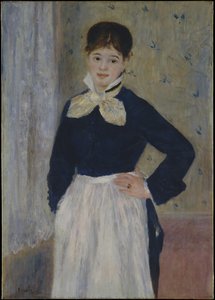
통계 정보Serving girl from duval


Experience the charm of Parisian life with Renoir’s ‘Serving Girl from Duval’s Restaurant.’ This 1874 masterpiece captures a moment of grace and vibrancy, showcasing Renoir's signature Impressionistic style. Own a piece of art history!
 상세 보기
상세 보기
피에르 오귀스트 레노아는 인상주의 화가로 유명하며 그의 작품들은 빛과 색채를 섬세하게 표현하여 삶의 아름다움을 담았습니다. 특히 루농 드 보타이 경회록과 광장 무용회 같은 그림은 인상주의 스타일을 대표하며 미술사에서 중요한 위치를 차지합니다.
지클레 / 아트 프린트
빠른 제작과 다양한 마감 옵션을 선택할 수 있는 박물관 수준의 지클레이 및 캔버스 프린트. ( 수작업 채색 복제본 주문하기 디지털 이미지 판매 채널로 전환)




P118B ₩10

P118H ₩10

P118W ₩10

P438Z ₩10

P508JH ₩12

P508YH ₩12

P805H ₩10

P805Z ₩10

P919BZ ₩10

P919G ₩10

P919XJ ₩10

P959ZH ₩10

P968JZ ₩12

W106C ₩8

W218G ₩10

W218JH ₩8

W218Y ₩10

W307PJ ₩10

W316G ₩10

W316PJ ₩8

W316Y ₩10

W398PJ ₩8

W4111J ₩10

W500HY ₩15

W500JH ₩15

W692G ₩12

W849H ₩8

W940BG ₩15

W953PJ ₩8




표준 규격
맞춤 제작
CM
INCH
작품의 원본 비율을 그대로 유지하는 프리셋 사이즈 중에서 선택해 보세요.
Loading sizes...

가로 너비
높이
액자나 벽면 크기에 맞춰 필요한 가로와 세로 길이를 입력해 주세요. 프린트는 원본 이미지보다 크게 제작할 수 없으며 오직 자르는 것만 가능하므로, 비율이 다른 사이즈를 선택할 경우 이미지의 일부가 잘려 나갈 수 있습니다. 인쇄 작업에 들어가기 전, 최종 확인을 위해 디지털 목업을 보내드립니다. 이 페이지에 표시된 이미지는 실제 잘리는 영역을 나타내지 않으며, 오직 목업을 통해서만 정확한 확인이 가능합니다.


 유리 옵션은 110cm 미만 크기에서만 선택 가능합니다.

Serving girl from duval
지클레 / 아트 프린트
복제본 규격
-


총 결제 금액
₩ 93054
A Glimpse of Parisian Life: Renoir’s “Serving Girl from Duval’s Restaurant”
Pierre-Auguste Renoir's "Serving Girl from Duval’s Restaurant," painted in 1874, offers a remarkably intimate and evocative snapshot of late 19th-century Paris. More than just a portrait, it’s a vibrant tableau vivant – a captured moment brimming with the energy and social dynamics of a bustling restaurant scene. The painting immediately draws the eye to its central figure: a young woman, poised with an air of quiet dignity as she attends to her duties. Her posture, hands resting lightly on her hips, speaks volumes about her composure and perhaps even a subtle hint of weariness – a common theme in Renoir’s depictions of working-class women.
Renoir masterfully employs his signature Impressionistic technique to convey this sense of immediacy. Loose, visible brushstrokes create an almost shimmering effect, particularly noticeable in the folds of her apron and the delicate rendering of her hair. The colors are rich and luminous, dominated by warm earth tones – ochres, browns, and reds – punctuated by the cool blues and greens of the wallpaper behind her. This deliberate use of color isn’t merely decorative; it's integral to capturing the light filtering through the restaurant window and reflecting off the various surfaces within the scene. The background, though somewhat blurred, is meticulously rendered with a subtle pattern that adds depth and visual interest – a detail often overlooked in more straightforward portraits.
The Context of Parisian Modernity
To fully appreciate “Serving Girl from Duval’s Restaurant,” it's crucial to understand the social and artistic climate of Paris during this period. The late 1870s were a time of rapid transformation, marked by industrialization, urbanization, and a burgeoning middle class. Restaurants like Duval’s were becoming increasingly popular gathering places, offering not just sustenance but also opportunities for socializing and entertainment. Renoir, deeply attuned to the rhythms of Parisian life, sought to capture this evolving urban landscape in his art.
The painting reflects the broader Impressionist movement's fascination with capturing fleeting moments and everyday subjects. Unlike the grand historical or mythological scenes favored by earlier generations of artists, Impressionists like Renoir turned their attention to the ordinary – the lives of working-class people, street scenes, and domestic interiors. This shift in focus was partly a reaction against academic art’s rigid conventions and a desire to represent the world as it truly appeared, with all its vibrancy and complexity.
Symbolism and Emotional Resonance
While seemingly straightforward, “Serving Girl from Duval’s Restaurant” is rich in subtle symbolism. The young woman's attire – the black dress and white apron – immediately establishes her role as a servant, highlighting the social hierarchy of the time. However, Renoir doesn’t portray her with pity or condescension; instead, he imbues her with a quiet dignity and an almost melancholic beauty. Her gaze is averted, suggesting introspection and perhaps a longing for something beyond her daily routine.
The presence of the two figures in the background – a man on the left and another towards the right – adds to the painting’s narrative complexity. They are smaller and less defined, hinting at the larger social world unfolding around the serving girl. Their inclusion suggests that she is not isolated but part of a community, albeit one marked by social divisions.
A Timeless Portrait of Human Experience
“Serving Girl from Duval’s Restaurant” transcends its simple subject matter to become a poignant meditation on human experience. Renoir's masterful use of light, color, and brushstroke creates an atmosphere of warmth and intimacy, inviting the viewer to connect with this anonymous figure and contemplate her life. It is a testament to his ability to capture not just a likeness but also the essence of a moment in time – a fleeting glimpse into the heart of Parisian modernity.
질의응답
르누아르의 "Serving girl from duval"에서 주를 이루는 색상은 무엇인가요?
르누아르의 "Serving girl from duval"은(는) Neutrals 색조의 팔레트를 사용하며, Rosy Brown (#b5c27e)이(가) 주된 색상을 이룹니다.
르누아르의 "Serving girl from duval"의 채도는 어느 정도인가요?
르누아르의 "Serving girl from duval"은(는) Balanced Soft의 채도로 기록되었습니다.
"Serving girl from duval"은(는) 빛과 어둠의 균형을 어떻게 맞추고 있나요?
"Serving girl from duval"의 전체적인 밝기는 brilliant이며, 휘도는 Bright Balance입니다.
관련 작품들


작가 소개
빛으로 물든 삶: 피에르 오귀스트 르누아르의 세계
1841년 리무주에서 태어난 피에르 오귀스트 르누아르는 겸손한 도자기 화가로 시작하여 인상주의 거장이 되는 여정은 그의 확고한 헌신과 예술적 비전을 증명합니다. 어린 시절, 경제적인 기회를 찾아 가족과 함께 파리로 이주한 경험은 그의 예술적 감수성에 깊은 영향을 미쳤습니다. 번화한 도시, 활기찬 거리 생활, 다양한 인물들은 그의 후기 작품에 영감을 불어넣었습니다. 처음에는 생계를 위해 도자기 페인터로 일했지만, 젊은 르누아르는 루브르 박물관을 자주 방문하며 고대 거장들을 정밀하게 연구하고 아름다움에 대한 감상을 키웠습니다. 이러한 초기 경험은 단순한 기술 이상의 열정을 불러일으켰고, 캔버스 위에 빛과 삶의 순간적인 특성을 담아내고자 하는 소명을 갖게 했습니다. 이후 샤를 글레르의 스튜디오에서 클로드 모네, 알프레드 시슬레이, 프레데릭 바질 등 야심찬 예술가들과 평생 우정을 맺으며 인상주의 운동의 토대를 마련했습니다.사실주의에서 찬란한 인상주의로: 예술적 진화
르누아르의 예술적 발전은 다양한 거장들의 영향을 받은 매혹적인 과정이었습니다. 그는 처음에 구스타브 쿠르베와 에두아르 마네의 사실주의에 끌려, 현대 생활을 정직하고 직접적으로 묘사하려는 그들의 노력에 감탄했습니다. 그러나 피터 폴 루벤스와 장-안투안 와테우의 빛나는 팔레트와 관능적인 형태는 그의 작품에 깊은 아름다움에 대한 감사와 기쁨과 여가를 묘사하는 경향을 심어주었습니다. 이러한 초기 영향력은 르누아가 자신만의 독특한 스타일을 구축하기 시작하면서 융합되었고, 생생한 색상, 부서진 붓놀림, 빛의 순간적인 효과를 포착하는 데 중점을 두는 것이 특징입니다. 1874년 첫 인상주의 전시회에 참여한 것은 중요한 전환점이 되었지만 처음에는 전통적인 미술계로부터 비판을 받았습니다. 이 대담한 행보는 학문적 관습을 거부하고 새로운 예술적 비전을 받아들이는 것을 의미했습니다. 무슈 드라망의 피크닉과 같은 작품은 시청자를 햇빛이 가득한 분위기와 즐거운 인물들로 몰입시켜 순간을 포착하는 접근 방식을 보여줍니다.삶의 덧없는 순간을 담아내다: 주요 작품과 주제
르누아르의 작품 세계는 삶의 단순한 즐거움, 친밀한 모임, 햇빛이 가득한 풍경, 인간 형태의 빛나는 아름다움을 기념합니다. 물랭 드 라갈레트에서의 춤은 그의 가장 상징적인 작품 중 하나로 손꼽히며, 세느 강에서 여가를 즐기는 사교적 그룹을 묘사하며 따뜻한 햇빛과 물에 반사되는 빛이 어우러져 생동감 넘치는 분위기를 자아냅니다. 목욕 후의 아가씨는 섬세한 피부톤과 우아한 자세를 강조하여 여성 누드를 묘사하는 그의 뛰어난 기술을 보여줍니다. 그의 그림은 단순한 현실의 재현이 아니라 따뜻함, 친밀감, 기쁨으로 가득 찬 감정이 시청자와 깊이 공명합니다. 그는 위대한 역사적 서사나 극적인 우화에 관심이 없었고, 대신 일상 생활에서 내재된 아름다움을 포착하여 평범한 순간을 예술 작품으로 끌어올렸습니다. 부지발에서의 춤과 같은 또 다른 유명한 작품은 순간성과 분위기 효과를 포착하는 그의 능력을 보여주며 움직임과 즉흥성을 느끼게 합니다.형태와 구조로의 전환: 후기 여생과 유산
1890년대에 르누아르는 상당한 스타일 변화를 겪었습니다. 그는 인상주의 뿌리를 완전히 버리지는 않았지만, 이탈리아 여행과 형태와 구조에 대한 새로운 관심으로 인해 보다 조각적이고 고전적인 접근 방식을 향해 나아가기 시작했습니다. 이러한 변화는 또한 관절염으로 인한 신체적 제약의 영향을 받았으며, 이는 그의 기술을 조정해야 했습니다. 이러한 어려움에도 불구하고 르누아르는 확고한 헌신으로 작업하며 더 풍만한 인물과 따뜻한 팔레트를 특징으로 하는 작품들을 제작했습니다. 그의 후기 그림은 종종 보다 사색적인 분위기를 반영하지만, 그의 초기 작품을 정의했던 아름다움을 기념하는 동일한 근본적인 요소를 유지합니다. 예술적 업적 외에도 르누아르의 유산은 그의 가족을 통해 이어집니다. 그의 아들 장 르누아르는 유명한 영화 감독이 되어 세대를 거쳐 창의적인 정신을 계승했습니다. 1919년 피에르 오귀스트 르누아르는 전 세계 관객들에게 영감을 주고 기쁨을 선사하는 지속적인 작품을 남기고 사망했습니다. 그는 예술 역사상 가장 사랑받는 인물 중 한 명으로 남아 있으며, 감수성 넘치고 우아함으로 삶의 기쁨과 인간 경험의 아름다움을 포착할 수 있는 능력으로 기념됩니다.영속적인 영향
- 르누아르의 영향력은 현대 미술 운동을 포함하여 후대 예술가들에게 부정할 수 없습니다. 빛, 색상 및 순간을 포착하는 데 대한 그의 강조는 새로운 예술적 가능성을 열었습니다.
- 그의 아름다움과 관능에 대한 기념은 오늘날까지도 청중에게 공감을 불러일으키며 그의 작품을 보편적으로 매력적으로 만듭니다.
- 그는 인상주의를 주요 미술 사조로 확립하는 데 중요한 역할을 했으며, 전통적인 관습에 도전하고 새로운 예술적 표현의 가능성을 열었습니다.
- 그의 그림은 수많은 포스터, 달력 및 기타 상품에 재현되어 그의 작품의 시대를 초월한 품질을 증명합니다.

르누아르
1841 - 1919 , 프랑스
작가 정보 요약
- 국적: 프랑스인
- 대표작:
- 물랭 드 라 갈레트의 춤
- 보트놀이 사람들의 오찬
- 목욕 후
- 부기발의 춤
- 사망일: 1919년 12월 3일
- 영향을 받은 예술 사조: ['인상주의']
- 영향을 준 예술가:
- 루벤스
- 와타르
- 예술 사조: 인상주의
- 전체 이름: 피에르 오귀스트 르누아르
- 출생일: 1841년 2월 25일
- 출생지: 리무주, 프랑스
관련 기사

A Journey Through Time: From the Dark Ages to Contemporary Masterpieces
Embark on a visual journey through art history. Explore the luminous evolution from Impressionism to Post-Impressionism, celebrating the masters of light and form like Monet, Renoir, and Cézanne in this curated cultural retrospective.

Capturing the Light: A Journey Through the Ethereal Magic of Impressionism and Post-Impressionism
Embark on a cultural journey through the luminous world of Impressionism. Discover the profound beauty of Monet, Van Gogh, and Cézanne through expert art history insights and explore how to bring these timeless masterpieces into your home with museum-quality hand-painted reproductions.
테마, 스타일, 특징별로 큐레이션된 작품들을 만나보세요.


