


 실제 크기로 보기
 보내기
보내기 공유하기
공유하기
 상세 보기
상세 보기 가이드 보기

 이미지 다운로드
 유사 작품 더 보기
 X-레이
X-레이 슬라이드 쇼 보기
 통계 정보
통계 정보The Picture Book


A young girl bathed in dappled sunlight reads intently in this Impressionist masterpiece by Pierre-Auguste Renoir that captures the serene beauty of childhood and invites you to bring its warmth into your home.
 상세 보기
상세 보기
피에르 오귀스트 레노아는 인상주의 화가로 유명하며 그의 작품들은 빛과 색채를 섬세하게 표현하여 삶의 아름다움을 담았습니다. 특히 루농 드 보타이 경회록과 광장 무용회 같은 그림은 인상주의 스타일을 대표하며 미술사에서 중요한 위치를 차지합니다.
지클레 / 아트 프린트
빠른 제작과 다양한 마감 옵션을 선택할 수 있는 박물관 수준의 지클레이 및 캔버스 프린트. ( 수작업 채색 복제본 주문하기 디지털 이미지 판매 채널로 전환)




P118B ₩10

P118H ₩10

P118W ₩10

P438Z ₩10

P508JH ₩12

P508YH ₩12

P805H ₩10

P805Z ₩10

P919BZ ₩10

P919G ₩10

P919XJ ₩10

P959ZH ₩10

P968JZ ₩12

W106C ₩8

W218G ₩10

W218JH ₩8

W218Y ₩10

W307PJ ₩10

W316G ₩10

W316PJ ₩8

W316Y ₩10

W398PJ ₩8

W4111J ₩10

W500HY ₩15

W500JH ₩15

W692G ₩12

W849H ₩8

W940BG ₩15

W953PJ ₩8




표준 규격
맞춤 제작
CM
INCH
작품의 원본 비율을 그대로 유지하는 프리셋 사이즈 중에서 선택해 보세요.
Loading sizes...

가로 너비
높이
액자나 벽면 크기에 맞춰 필요한 가로와 세로 길이를 입력해 주세요. 프린트는 원본 이미지보다 크게 제작할 수 없으며 오직 자르는 것만 가능하므로, 비율이 다른 사이즈를 선택할 경우 이미지의 일부가 잘려 나갈 수 있습니다. 인쇄 작업에 들어가기 전, 최종 확인을 위해 디지털 목업을 보내드립니다. 이 페이지에 표시된 이미지는 실제 잘리는 영역을 나타내지 않으며, 오직 목업을 통해서만 정확한 확인이 가능합니다.


 유리 옵션은 110cm 미만 크기에서만 선택 가능합니다.

The Picture Book
지클레 / 아트 프린트
복제본 규격
-


총 결제 금액
₩ 93636
A Window into Childhood Innocence: Exploring Renoir’s “The Picture Book”
Pierre-Auguste Renoir's "The Picture Book," painted in 1889, isn’t merely a portrait; it’s an exquisitely rendered distillation of Impressionist ideals—a celebration of light, color, and the quiet joys of domestic life. Captured during Renoir’s prolific period at Aix-en-Provence, where he resided with his family after returning from Paris, this artwork embodies the artist's fascination with capturing fleeting moments of beauty and emotion. The painting depicts a young girl absorbed in reading a book, bathed in dappled sunlight filtering through a window – an image instantly recognizable as quintessential Renoir.Style and Technique: Impressionistic Brilliance
Renoir’s masterful technique exemplifies the core tenets of Impressionism. He eschewed meticulous detail in favor of capturing the sensory experience of the scene—the way light dances across surfaces, creating shimmering hues that shift subtly with each glance. Loose brushstrokes are layered upon one another to build up texture and color, prioritizing optical perception over precise representation. Notice how Renoir utilizes a palette dominated by warm yellows and oranges – mirroring the sunlight illuminating the room – skillfully blending colors to achieve an ethereal glow. The artist’s deliberate avoidance of sharp outlines contributes to the painting's dreamlike quality, inviting viewers into a realm where observation surpasses imitation.Historical Context: Embracing Domestic Tranquility
“The Picture Book” emerged during a pivotal moment in artistic history—the height of Impressionism. Following the academic tradition that preceded it, Renoir and his fellow artists rejected the rigid conventions of realism championed by earlier generations. Instead, they sought to depict everyday life with spontaneity and sincerity, reflecting the burgeoning optimism of the Belle Époque. The painting speaks to a broader cultural preoccupation with childhood innocence and the importance of nurturing imagination—themes prevalent in Victorian literature and art. It’s a deliberate counterpoint to the grand narratives favored by Romanticism, prioritizing intimacy and sensory experience over dramatic grandeur.Symbolism: Light, Knowledge, and Quiet Reflection
Beyond its aesthetic beauty, “The Picture Book” is laden with symbolic significance. The sunlight streaming through the window represents enlightenment and vitality—a visual metaphor for the girl’s engagement with learning and discovery. The book itself symbolizes knowledge, imagination, and the transformative power of storytelling. Renoir's inclusion of a bird perched on the windowsill adds another layer of meaning – representing freedom, aspiration, and perhaps even a hint of melancholy. These subtle details underscore the painting’s contemplative mood, encouraging viewers to pause and appreciate the simple pleasures of observation.Emotional Impact: A Moment Frozen in Time
Ultimately, Renoir's "The Picture Book" succeeds in conveying a profound emotional resonance. The girl’s focused gaze communicates both concentration and wonder—a palpable connection between subject and object. The soft colors and luminous brushstrokes evoke feelings of warmth, serenity, and nostalgia. It’s a painting that captures not just what is seen but also what is felt—a testament to Renoir's ability to translate emotion into visual form. This artwork continues to inspire admiration for its delicate beauty and timeless portrayal of childhood contemplation.질의응답
르누아르의 "The Picture Book"은(는) 어떤 미술 사조에 속하나요?
르누아르의 "The Picture Book"과(와) 관련된 미술 사조는 Impressionism입니다. 이러한 분류를 통해 해당 작품을 관련 작가 및 예술 작품들과 함께 파악할 수 있습니다.
"The Picture Book"의 색감을 고려했을 때, 어느 공간에 전시하는 것이 가장 좋을까요?
르누아르의 "The Picture Book"의 Earthy 색조는 추천 공간인 Living Room과 완벽하게 어우러집니다.
르누아르의 "The Picture Book"의 엑스레이(X-ray) 이미지를 볼 수 있을까요?
"The Picture Book"은 작품의 X선 분석 페이지에서 층별로 자세히 살펴볼 수 있습니다. 이 뷰어는 보존 과학자의 라이트 벤치(light bench)에서 영감을 얻었으며, 이미지의 11가지 광학적 판독값을 제공합니다.
관련 작품들


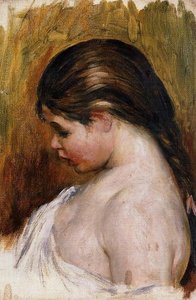


작가 소개
빛으로 물든 삶: 피에르 오귀스트 르누아르의 세계
1841년 리무주에서 태어난 피에르 오귀스트 르누아르는 겸손한 도자기 화가로 시작하여 인상주의 거장이 되는 여정은 그의 확고한 헌신과 예술적 비전을 증명합니다. 어린 시절, 경제적인 기회를 찾아 가족과 함께 파리로 이주한 경험은 그의 예술적 감수성에 깊은 영향을 미쳤습니다. 번화한 도시, 활기찬 거리 생활, 다양한 인물들은 그의 후기 작품에 영감을 불어넣었습니다. 처음에는 생계를 위해 도자기 페인터로 일했지만, 젊은 르누아르는 루브르 박물관을 자주 방문하며 고대 거장들을 정밀하게 연구하고 아름다움에 대한 감상을 키웠습니다. 이러한 초기 경험은 단순한 기술 이상의 열정을 불러일으켰고, 캔버스 위에 빛과 삶의 순간적인 특성을 담아내고자 하는 소명을 갖게 했습니다. 이후 샤를 글레르의 스튜디오에서 클로드 모네, 알프레드 시슬레이, 프레데릭 바질 등 야심찬 예술가들과 평생 우정을 맺으며 인상주의 운동의 토대를 마련했습니다.사실주의에서 찬란한 인상주의로: 예술적 진화
르누아르의 예술적 발전은 다양한 거장들의 영향을 받은 매혹적인 과정이었습니다. 그는 처음에 구스타브 쿠르베와 에두아르 마네의 사실주의에 끌려, 현대 생활을 정직하고 직접적으로 묘사하려는 그들의 노력에 감탄했습니다. 그러나 피터 폴 루벤스와 장-안투안 와테우의 빛나는 팔레트와 관능적인 형태는 그의 작품에 깊은 아름다움에 대한 감사와 기쁨과 여가를 묘사하는 경향을 심어주었습니다. 이러한 초기 영향력은 르누아가 자신만의 독특한 스타일을 구축하기 시작하면서 융합되었고, 생생한 색상, 부서진 붓놀림, 빛의 순간적인 효과를 포착하는 데 중점을 두는 것이 특징입니다. 1874년 첫 인상주의 전시회에 참여한 것은 중요한 전환점이 되었지만 처음에는 전통적인 미술계로부터 비판을 받았습니다. 이 대담한 행보는 학문적 관습을 거부하고 새로운 예술적 비전을 받아들이는 것을 의미했습니다. 무슈 드라망의 피크닉과 같은 작품은 시청자를 햇빛이 가득한 분위기와 즐거운 인물들로 몰입시켜 순간을 포착하는 접근 방식을 보여줍니다.삶의 덧없는 순간을 담아내다: 주요 작품과 주제
르누아르의 작품 세계는 삶의 단순한 즐거움, 친밀한 모임, 햇빛이 가득한 풍경, 인간 형태의 빛나는 아름다움을 기념합니다. 물랭 드 라갈레트에서의 춤은 그의 가장 상징적인 작품 중 하나로 손꼽히며, 세느 강에서 여가를 즐기는 사교적 그룹을 묘사하며 따뜻한 햇빛과 물에 반사되는 빛이 어우러져 생동감 넘치는 분위기를 자아냅니다. 목욕 후의 아가씨는 섬세한 피부톤과 우아한 자세를 강조하여 여성 누드를 묘사하는 그의 뛰어난 기술을 보여줍니다. 그의 그림은 단순한 현실의 재현이 아니라 따뜻함, 친밀감, 기쁨으로 가득 찬 감정이 시청자와 깊이 공명합니다. 그는 위대한 역사적 서사나 극적인 우화에 관심이 없었고, 대신 일상 생활에서 내재된 아름다움을 포착하여 평범한 순간을 예술 작품으로 끌어올렸습니다. 부지발에서의 춤과 같은 또 다른 유명한 작품은 순간성과 분위기 효과를 포착하는 그의 능력을 보여주며 움직임과 즉흥성을 느끼게 합니다.형태와 구조로의 전환: 후기 여생과 유산
1890년대에 르누아르는 상당한 스타일 변화를 겪었습니다. 그는 인상주의 뿌리를 완전히 버리지는 않았지만, 이탈리아 여행과 형태와 구조에 대한 새로운 관심으로 인해 보다 조각적이고 고전적인 접근 방식을 향해 나아가기 시작했습니다. 이러한 변화는 또한 관절염으로 인한 신체적 제약의 영향을 받았으며, 이는 그의 기술을 조정해야 했습니다. 이러한 어려움에도 불구하고 르누아르는 확고한 헌신으로 작업하며 더 풍만한 인물과 따뜻한 팔레트를 특징으로 하는 작품들을 제작했습니다. 그의 후기 그림은 종종 보다 사색적인 분위기를 반영하지만, 그의 초기 작품을 정의했던 아름다움을 기념하는 동일한 근본적인 요소를 유지합니다. 예술적 업적 외에도 르누아르의 유산은 그의 가족을 통해 이어집니다. 그의 아들 장 르누아르는 유명한 영화 감독이 되어 세대를 거쳐 창의적인 정신을 계승했습니다. 1919년 피에르 오귀스트 르누아르는 전 세계 관객들에게 영감을 주고 기쁨을 선사하는 지속적인 작품을 남기고 사망했습니다. 그는 예술 역사상 가장 사랑받는 인물 중 한 명으로 남아 있으며, 감수성 넘치고 우아함으로 삶의 기쁨과 인간 경험의 아름다움을 포착할 수 있는 능력으로 기념됩니다.영속적인 영향
- 르누아르의 영향력은 현대 미술 운동을 포함하여 후대 예술가들에게 부정할 수 없습니다. 빛, 색상 및 순간을 포착하는 데 대한 그의 강조는 새로운 예술적 가능성을 열었습니다.
- 그의 아름다움과 관능에 대한 기념은 오늘날까지도 청중에게 공감을 불러일으키며 그의 작품을 보편적으로 매력적으로 만듭니다.
- 그는 인상주의를 주요 미술 사조로 확립하는 데 중요한 역할을 했으며, 전통적인 관습에 도전하고 새로운 예술적 표현의 가능성을 열었습니다.
- 그의 그림은 수많은 포스터, 달력 및 기타 상품에 재현되어 그의 작품의 시대를 초월한 품질을 증명합니다.

르누아르
1841 - 1919 , 프랑스
작가 정보 요약
- 국적: 프랑스인
- 대표작:
- 물랭 드 라 갈레트의 춤
- 보트놀이 사람들의 오찬
- 목욕 후
- 부기발의 춤
- 사망일: 1919년 12월 3일
- 영향을 받은 예술 사조: ['인상주의']
- 영향을 준 예술가:
- 루벤스
- 와타르
- 예술 사조: 인상주의
- 전체 이름: 피에르 오귀스트 르누아르
- 출생일: 1841년 2월 25일
- 출생지: 리무주, 프랑스
관련 기사

Modern Soul, Timeless Light: Bringing the Magic of Impressionist Masterpieces into Contemporary Interiors
Discover how to infuse contemporary spaces with the luminous magic of Impressionism. From Monet's light to Renoir's warmth, learn expert tips for styling hand-painted masterpieces and custom art reproductions in your modern home.

Liquid Light & Eternal Calm: Exploring the Ethereal Beauty of Water in Impressionist Masterpieces
Immerse yourself in the ethereal beauty of Impressionist waterscapes. Explore the luminous mastery of Monet through our exquisite, hand-painted oil reproductions and bespoke commissions. Discover museum-quality elegance for your sanctuary at TopImpressionists.com.

The Luminous Dance: Tracing Light, Motion, and the Magic of Line in Impressionist Art
Step into a world of dappled sunlight and fleeting moments. Explore the luminous magic of Impressionist lines and light. TopImpressionists.com offers exquisite, hand-painted oil reproductions and custom commissions, bringing the soul of the masters directly to your sanctuary.

The Luminous Hallway: Transforming Your Home with the Ethereal Magic of Impressionist Masterpieces
Transform your hallways with the luminous beauty of Impressionist masterpieces. Discover expert tips on selecting Monet-inspired palettes and multi-panel landscapes to create a breathtaking, light-filled gallery walk in your home. Elevate your space with timeless, hand-painted elegance.

Capturing the Soul: The Most Emotionally Moving Impressionist and Post-Impressionist Masterpieces
Discover the profound emotional depth of Impressionist and Post-Impressionist masterpieces. Explore how legends like Monet, Van Gogh, and Gauguin captured light and soul through evocative landscapes and vibrant brushwork for a timeless connection to art history.
테마, 스타일, 특징별로 큐레이션된 작품들을 만나보세요.


