

표시된 작품: · 액자 포함:
 미리보기
미리보기
 공유하기
공유하기 공유하기
공유하기
 상세 정보
상세 정보 가이드 보기

 다운로드
다운로드
 유사 작품 더 보기
 X-레이
X-레이 슬라이드 쇼 보기
 질의응답
질의응답 통계 정보
통계 정보
- 36.0 x 39.0 cm


₩ 360915
핸드메이드 유화 복제화
작가가 직접 캔버스에 손으로 그린 유화 작품으로, 원하는 크기와 액자로 맞춤 제작해 드립니다. ( 프린트 판매로 전환 디지털 이미지로 전환)
사이즈
·표준 규격
맞춤형
CM
INCH
작품의 원본 비율을 그대로 유지하는 프리셋 사이즈 중에서 선택해 보세요.
사이즈 불러오는 중...

가로 너비
세로 길이
액자나 벽면 크기에 맞춰 필요한 가로와 세로 길이를 입력해 주세요. 본 작품은 수작업으로 제작되므로, 요청하신 비율에 따라 작가가 그림의 가장자리를 조금 더 넓게 그리거나 일부를 조정하여 작업할 수 있습니다. 작업 시작 전, 최종 확인을 위해 디지털 목업 이미지를 보내드립니다. 이 페이지에 표시된 이미지는 실제 결과물과 다를 수 있으며, 오직 목업 이미지만이 정확한 결과물을 보여줍니다.
 더 알아보기
완료
·
화이트 테두리 ₩1

블러사이드 ₩1

옆면 확장형 ₩1

P118B ₩10

P118H ₩10

P118W ₩10

P438Z ₩10

P508JH ₩12

P508YH ₩12

P805H ₩10

P805Z ₩10

P919BZ ₩10

P919G ₩10

P919XJ ₩10

P959ZH ₩10

P968JZ ₩12

W106C ₩8

W218G ₩10

W218JH ₩8

W218Y ₩10

W307PJ ₩10

W316G ₩10

W316PJ ₩8

W316Y ₩10

W398PJ ₩8

W4111J ₩10

W500HY ₩15

W500JH ₩15

W692G ₩12

W849H ₩8

W940BG ₩15

W953PJ ₩8

H24-GOLD ₩30

H24-SILVER ₩30

H36-GOLD ₩45

H36-SILVER ₩45
보호용 튜브에 담겨 안전하게 배송되며, 고객님께서 직접 액자에 끼워 사용하실 수 있습니다.
105cm를 초과하는 프레임은 전문 액자 제작사를 위한 키트 형태로 배송됩니다 — 자세한 내용을 확인하세요.
추가 서비스
선택 사항추가 구성품에는 무엇이 포함되어 있나요?
변경 가능한 예시: 얼굴을 고객의 사진으로 교체, 반려동물 추가 (예: 고양이를 강아지로 변경), 배경에 숨겨진 메시지 포함, 배경 풍경 또는 요소 변경.
주문 완료 후, TopImpressionists.com 팀에서 상세 안내를 위해 고객님께 이메일을 보내드리며, 시안 미리보기를 제공해 드립니다.
주문 완료 후, TopImpressionists.com 팀에서 상세 안내를 위해 고객님께 이메일을 보내드리며, 시안 미리보기를 제공해 드립니다.
전 세계 배송()은 표준 5주 대신 3~4주 내에 완료됩니다. (8 11월). 품질에는 어떠한 타협도 하지 않습니다.
보호용 바니시
작품 설명문
동판 각인 상세 정보
This elegant plaque features the artist's name and the title of the artwork, finely engraved for a timeless presentation.
It is made from bronze with a refined, elegant finish. The text is precisely laser-engraved for a sharp and permanent result. Measuring 9x2 cm, the plaque is compact yet easy to read. It's built to be durable and scratch-resistant, offering a professional, museum-quality look. Mounting is simple thanks to the included adhesive backing.
투명 아크릴 명판 상세 정보
The plaque includes essential engraved details such as the artist's name, the title of the artwork, the date it was created, the type of media used-like oil on canvas or watercolor-a brief description of the piece, and a QR code that links to the complete artwork information.
It is crafted from clear acrylic, offering a sleek, modern appearance. The text is UV-engraved in black to ensure strong visual contrast. With a size of 10x15 cm, it ensures optimal readability. It comes equipped with two metal hooks for secure wall mounting. The plaque is designed to be weather-resistant, making it suitable for various environments, and it includes interactive features that work seamlessly with smartphone scanning.
블랙 아크릴 명판 상세 정보
This elegant plaque includes engraved information such as the artist's name, the title of the artwork, the date it was created, the type of media used (like oil on canvas or watercolor), a short description of the artwork, and a QR code for quick access to more information.
The plaque itself is made from refined black acrylic with a premium finish. The text is laser-engraved in white for high contrast and readability. Its size is 10x15 cm, designed to be easy to read. It comes with two metal hooks for professional mounting. The design is sleek and fits any interior style. It is also weather-resistant and durable, with built-in digital integration for mobile compatibility.
유리 옵션은 110cm 미만 크기에서만 선택 가능합니다.
 유리 옵션은 110cm 미만 크기에서만 선택 가능합니다.
- 전 세계 무료 특급 배송
- 프리미엄 린넨 캔버스
- 배송 전 과정 보험 적용
- 관세 및 수입세 환급 보장 서비스
- 원본과 동일한 색상 구현 보장
- 100일 이내 반품 정책 (결함 발생 시)
- 100% 환불 보장
- 다량 구매 할인 혜택


수집품 상세 설명
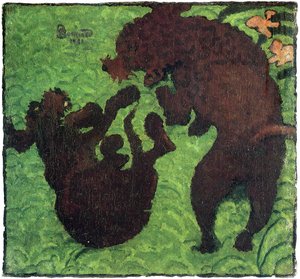
Colorful Pierre Bonnard’s "Two Poodles" (1891) captures playful dogs in a vibrant scene, showcasing the artist's signature style and domestic charm. Discover this delightful artwork and bring its joyful energy into your space.
작가 프로필
피에르 보나르는 인상주의 화가 피에르 오귀스트 레노아르처럼 빛과 색채를 활용하여 정서적 깊이를 더하는 인상주의 스타일로 유명합니다. 그의 대표작은 체크무늬 드레스 입은 여인과 신선한 도화나무입니다!
작품 정보
A Moment of Playful Joy: Pierre Bonnard's "Two Poodles"
Pierre Bonnard’s “Two Poodles,” painted in 1891, offers a captivating glimpse into the artist’s evolving approach to capturing domestic life. This vibrant depiction of two dogs engaged in a spirited wrestling match transcends mere representation; it’s an exploration of light, color, and the fleeting moments of joy found within everyday scenes. Measuring 36 x 39 cm, the painting immediately draws the eye with its bold palette – a symphony of blues, greens, yellows, and ochres that Bonnard masterfully employed to evoke atmosphere rather than photographic realism.
- Subject Matter: The central focus is undeniably the two poodles, rendered with affectionate detail. Their playful interaction, captured in a dynamic pose, speaks to Bonnard’s fascination with portraying intimate relationships and the simple pleasures of life.
- Style & Technique: “Two Poodles” exemplifies Bonnard's signature style – a blend of Impressionism and Post-Impressionism characterized by loose brushwork, broken color, and an emphasis on subjective perception. He utilizes short, rhythmic strokes to build up the forms of the dogs and their surroundings, creating a sense of movement and vitality.
Historical Context & The Nabis Movement
Painted in 1891, “Two Poodles” reflects Bonnard’s artistic development within the context of late 19th-century France. He was deeply influenced by the *Nabis* (meaning "prophets"), a group of Symbolist painters who sought to use color and light to evoke spiritual or emotional states. The Nabis, including artists like Émile Bernard and Paul Ranson, rejected academic realism in favor of subjective expression, prioritizing mood and atmosphere over precise representation. Bonnard’s association with this movement is evident in his exploration of color as a primary means of conveying emotion and creating a dreamlike quality within his work.
- The Nabis Influence: The presence of the birds in the background, subtly rendered, aligns with the Nabis interest in symbolic imagery.
- Early Bonnard: This painting showcases Bonnard’s early experimentation with color and form, a crucial step towards his mature style.
Symbolism & Emotional Resonance
Beyond its technical brilliance, “Two Poodles” resonates with a profound sense of emotional warmth. The dogs' playful struggle is not merely a depiction of animal behavior; it’s an embodiment of youthful exuberance and uninhibited joy. Bonnard’s use of color – particularly the vibrant greens and blues – contributes to this feeling of lightness and optimism. The potted plant on the right side, though seemingly incidental, adds a touch of domestic tranquility, grounding the scene in a familiar setting. The composition itself, with its dynamic diagonals and lively brushwork, creates a sense of movement and energy that draws the viewer into the heart of the moment.
- Color as Emotion: Bonnard’s masterful manipulation of color is key to understanding the painting's emotional impact.
- Intimacy & Domesticity: The scene captures a private, intimate moment – a hallmark of Bonnard’s artistic focus on domestic life and human relationships.
A Timeless Masterpiece - Reproduction Options
TopImpressionists offers meticulously crafted hand-painted reproductions of “Two Poodles,” allowing you to bring this captivating artwork into your home or office. Our skilled artisans employ the same techniques as Bonnard, ensuring an authentic representation of his vision. Choose from a range of sizes and canvas materials to perfectly suit your space and budget. Own a piece of art history – experience the joy and beauty of “Two Poodles” with TopImpressionists.
질의응답
"Two Poodles"은 언제, 어떤 재료로 제작되었나요?
"Two Poodles"은(는) 1891년에 Acrylic On Canvas 기법으로 제작되었습니다. 재료와 제작 연도는 원작이 어떤 방식으로 언제 만들어졌는지를 나타냅니다.
프레리 본나르드의 "Two Poodles"의 디지털 이미지는 어디에서 구매할 수 있나요?
프레리 본나르드의 "Two Poodles"의 디지털 이미지는 다음의 디지털 이미지 파일 페이지에서 구매하실 수 있습니다: 고해상도 디지털 이미지 다운로드.
"Two Poodles"이(가) 제작될 당시 프레리 본나르드의 나이는 몇 세였나요?
프레리 본나르드은(는) 1891년에 "Two Poodles"을(를) 제작했을 당시 24세였습니다. 이 나이는 작가의 출생 연도인 1867을(를) 기준으로 계산되었습니다.
주요 정보 및 아트 퀴즈
프레리 본나르드 소개

프레리 본나르드
1867 - 1947, 프랑스
작가 정보
Pierre Bonnard (1867-1947): A Life Bathed in Light
Pierre Bonnard, born October 3, 1867, in Fontenay-aux-Roses, France, wasn’t destined for a life consumed by artistic ambition. His father, a high-ranking official within the French Ministry of War, envisioned a legal profession for his son—a path sharply contrasting with Bonnard's burgeoning passion for color and form. Despite this expectation, young Pierre diligently pursued law studies, securing his license in 1888, yet his artistic soul stubbornly resisted conformity, gravitating toward the captivating realm beyond academic constraints. Initially drawn to caricature, honing observational skills that would later transform into exquisitely rendered domestic scenes—a fascination that would define his oeuvre—Bonnard’s formative years were punctuated by encounters with kindred spirits at the Académie Julian, fostering a shared rejection of traditional artistic conventions and embracing the avant-garde fervor permeating Parisian society. This pivotal connection propelled him toward Les Nabis, a collective of artists—Maurice Denis, Paul Sérusier, Édouard Vuillard among them—who championed spirituality and symbolism within art, transcending mere representation to delve into subjective experience.The Nabi Influence: Flattened Forms & Vibrant Color
The Nabi movement profoundly shaped Bonnard’s artistic trajectory. Recognizing the profound resonance of flattened forms and bold color palettes with his sensibilities, he found inspiration in Japanese prints—their elegant lines and harmonious compositions—and the Symbolist movement's exploration of inner emotion. Rejecting perspectival illusionism, Bonnard embraced a stylistic approach that prioritized emotional impact over visual realism. This decision wasn’t merely aesthetic; it reflected a deeper conviction that art could communicate truths inaccessible to rational thought. He meticulously studied the techniques employed by his fellow Nabis, absorbing their innovative methods and integrating them into his own artistic practice. The Nabi's emphasis on capturing atmosphere and mood—rather than documenting precise details—became a cornerstone of Bonnard’s distinctive style.Domestic Intimacy: Capturing Everyday Moments
Bonnard’s artistic focus centered on the quiet beauty of domestic life—a theme that would become synonymous with his name ("Intimist"). Unlike Impressionists who sought to depict fleeting impressions of external landscapes, Bonnard turned inward, exploring the emotional resonance of familiar surroundings. His subjects—women bathing, families gathered for dinner, sunlit gardens—were rendered not as mere objects of observation but as embodiments of feeling—expressions of memory and emotion filtered through the prism of personal experience. He approached painting with a remarkable sensitivity to light and color, painstakingly recreating the nuances of illumination and hue to evoke specific moods and sensations. This meticulous attention to detail wasn’t driven by a desire for photographic accuracy; it stemmed from an earnest conviction that art could convey intangible qualities—the warmth of companionship, the serenity of contemplation.Color as Emotion: Bonnard's Chromatic Vision
Bonnard’s mastery of color stands apart as arguably his most defining characteristic—a testament to his unwavering dedication to chromatic balance. He didn’t merely employ color; he *felt* it, allowing it to dictate the mood and atmosphere of his paintings. His palette defied conventional categorization, often juxtaposing unexpected hues that created a shimmering luminosity—a technique rooted in both scientific observation and intuitive artistic judgment. Bonnard's approach mirrored the Symbolist movement's belief that color possessed inherent expressive power, capable of conveying emotions and ideas beyond linguistic articulation. He revisited completed canvases repeatedly, subtly adjusting colors across multiple works to achieve perfect harmony—a practice reflecting his obsessive pursuit of chromatic perfection.Later Life & Legacy: A Painter Until His Final Days
As Bonnard matured, he increasingly prioritized the exploration of color and light—drawing inspiration from his surroundings in Provence, France. He cultivated a close friendship with Claude Monet, whose Impressionistic style served as a catalyst for Bonnard’s own artistic evolution. Despite this influence, Bonnard maintained an unwavering commitment to his singular artistic vision—rejecting trends and conventions that threatened to dilute the essence of his aesthetic sensibilities. Until shortly before his death in January 23, 1947, he continued painting prolifically, leaving behind a vast corpus of work that continues to captivate audiences worldwide. Bonnard’s enduring legacy resides not merely in his iconic paintings—such as “Woman in Checkered Dress,” “The Dining Room,” and “Bowl of Fruit”—but also in his profound contribution to the history of art—demonstrating that beauty could be found in simplicity, introspection, and the unwavering pursuit of chromatic harmony. His influence extends across generations of artists who recognize the power of color to convey emotion and memory—a testament to Bonnard’s indelible mark on modern artistic expression.- Woman in Checkered Dress (1890): An early exemplar of Nabi style, characterized by flattened forms and bold chromatic combinations.
- The Dining Room (1913): A quintessential Intimist scene capturing the warmth and intimacy of domestic life.
- Bowl of Fruit (c. 1933): Illustrates Bonnard’s exceptional skill in still life, imbued with luminous depth and vibrant hues.
프레리 본나르드에 관한 주요 정보
- Artistic Movement Or Style: 인상주의 스타일 및 인미즘
- Artists Who Influenced This Artist:
- 폴 고흐
- 호쿠사이
- Date Of Birth: 1867년 10월 3일
- Date Of Death: 1947년 1월 23일
- Full Name: Pierre Bonnard
- Nationality: 프랑스인
- Notable Artworks:
- 체크된 드레스 입은 여성
- 알몬드 나무 꽃핌
- Place Of Birth: 프랑스 프랑베이 오 드 라 갈레트
유사한 작품들


프레리 본나르드
Two Poodles
() ·
액자 포함: · 린넨 위에 유채로 직접 그린 작품
총액