

 Contemporary Realism
 24.0 x 20.0 cm
원하는 크기와 액자로 주문 제작되는, 작가들이 직접 캔버스에 손으로 그린 유화 작품입니다. ( 프린트 주문으로 전환 이미지로 전환)
작품의 원본 비율을 유지하는 미리 설정된 크기 중에서 선택하세요.

특정 프레임이나 공간에 맞도록 직접 크기를 입력할 수 있습니다. 선택하신 크기가 원본 이미지의 비율과 일치하지 않는 경우, 작품을 자르거나 추가적인 손으로 그린 요소를 사용하여 그림을 확장합니다. 제작 시작 전 승인을 위해 디지털 목업을 보내드립니다.
화면 미리 보기는 실제 자르기 또는 확장을 반영하지 않습니다. 최종 구성은 목업을 통해서만 정확하게 확인하실 수 있습니다.
맞춤 크기 제작도 가능하지만, 원본 비율을 유지하기 위해 사전 정의된 목록에서 크기를 선택하시는 것을 권장합니다.

'SPECTACLES'
복제본 크기
Pierre Dubreuil (March 5, 1872 – January 9, 1944) stands as a pivotal figure in the history of French photography, marking a crucial transition between the rigid formalism of Neoclassicism and the burgeoning expressive spirit of Romanticism. Born in Lille, France, into a wealthy family involved in wallpaper manufacturing, Dubreuil’s artistic journey began with an early fascination for capturing images—a passion nurtured by his enrollment at Saint Joseph’s Jesuit College where he honed his photographic skills using a half-plate camera at the tender age of sixteen.
His formative years were marked by service in the Saint Omer Dragoons, followed by collaboration with Louis Jean Delton, specializing in equine photography. This early exposure to diverse subjects instilled in him a meticulous attention to detail and an appreciation for capturing reality with precision. Crucially, he joined the Lille Photographic Society in 1891 where he encountered Robert Pauli, who introduced him to groundbreaking printing techniques—carbon and platinum printing—methods that would become hallmarks of his distinctive style.
Dubreuil’s breakthrough arrived in 1896 with “Sombre Clarté,” a photograph lauded for its masterful use of tonal contrasts. Exhibited at the Photo-club de Paris alongside luminaries like Alfred Stieglitz and Robert Demachy, it immediately established him as an innovator within the Pictorialist movement. Dubreuil’s work gained international acclaim, surpassing even those of his contemporaries, cementing his reputation as a visionary artist who dared to challenge conventional photographic norms.
The First World War profoundly impacted Dubreuil's life and career, disrupting his family ties and temporarily halting his artistic pursuits. However, he persevered through the turbulent years following the war, continuing to explore new creative avenues. Notably, he embraced the influence of Cubism and Futurism, experimenting with unconventional compositional strategies—particularly utilizing birds-eye views—to convey a fresh perspective on familiar subjects. His pioneering use of bromoil printing allowed him to manipulate tonal ranges with unprecedented control, mirroring the stylistic shifts occurring in broader artistic circles.
Dubreuil’s commitment to modernist aesthetics was recognized by critics like Fritz Loescher who praised his originality and daring experimentation. He participated in exhibitions showcasing his work at prestigious venues including the Albright Gallery in Buffalo, New York; the Little Gallery of the Amateur Photography Magazine in London; and the Royal Photographic Society. His photographs were celebrated for their ability to capture both beauty and emotion—a testament to his artistic vision.
Throughout his prolific career, Dubreuil’s work consistently prioritized idea over mere representation. He meticulously crafted images that conveyed profound meaning through subtle nuances of light and shadow, anticipating the developments of movements like Surrealism and cementing his legacy as one of the foremost figures in shaping the trajectory of photographic art.
His enduring influence can be seen in the works of subsequent generations of photographers who embraced experimentation and sought to transcend traditional conventions. Dubreuil’s unwavering dedication to artistic innovation ensured that his contribution to photography would resonate far beyond his lifetime, securing his place as a cornerstone of modern art history.

1891 - 1970
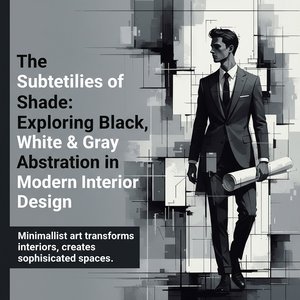
전문적인 호텔 공간 디자인을 위한 흑백 회색 추상화 활용법! 색채 심리학 기반의 분위기 조성 전략과 최적의 작품 선택 가이드 제공. 브랜드 가치 제고 노하우를 지금 확인하세요.

TopImpressionists에서 당신의 소중한 사진을 인상주의 화풍의 명작으로! 숙련된 장인의 손길로 원작의 혼을 담아 완벽하게 재현합니다. 삶의 이야기를 그림으로, 특별한 추억을 영원히 간직하세요.

Explore 10 iconic paintings dominated by black tones, from Rembrandt’s chiaroscuro to Goya's dark expressions. Discover the stories behind these masterpieces & find museum-quality art reproductions for your home at .

TopImpressionists에서 인공지능 기반으로 사진을 고딕 스타일의 매혹적인 예술 작품으로 재창조하세요. 장인의 손길로 완성된 유화 복제, 맞춤 초상화 등 특별한 경험을 선사합니다. 지금 바로 나만의 걸작을 만나보세요!

Explore the rich history & artistic power of black and white photography. From early techniques to iconic masters like Ansel Adams, discover why monochrome continues to captivate art lovers today. Expert insights for collectors.


최신 미술 뉴스, 특별 혜택 및 인테리어 아이디어를 가장 먼저 만나보세요.
프로젝트에 대해 알려주시면 저희 미술 전문가들이 맞춤형 아트 제안 3가지를 전달해 드립니다.
당신만을 위한 맞춤형 옵션 3가지를 무료로 추천해 드립니다!

 미리보기
미리보기
 공유하기
공유하기 공유하기
공유하기
 상세 정보
상세 정보

 다운로드
다운로드
 유사 작품
유사 작품 X-레이
X-레이 슬라이드 쇼
 더 보기
더 보기






































 유리 옵션은 110cm 미만 크기에서만 선택 가능합니다.


