


 미리보기
미리보기
 공유하기
공유하기 공유하기
공유하기
 상세 정보
상세 정보 가이드 보기

 다운로드
다운로드
 유사 작품
유사 작품 X-레이
X-레이 슬라이드 쇼
 통계 정보
통계 정보The Dancing Lesson
 Acrylic On Canvas
- WallArt
- Venetian Genre
 1741
1741 61.0 x 51.0 cm
 Gallerie dell'Accademia
Discover "The Dancing Lesson" by Pietro Longhi (1741). A captivating Venetian genre scene depicting elegant social life, capturing the charm of 18th-century Venice through witty detail and masterful composition.
 더 보기
더 보기
피에트로 롱기(1701-1785)는 18세기 베네치아 부르주아 계층의 일상을 재치 있게 담아낸 화가입니다. '베네치아 호가스'로 불리며, 풍부한 색채와 섬세한 표현으로 당시 사회를 통찰력 있게 그려냈습니다.
지클레 / 아트 프린트
빠른 제작과 다양한 마감 옵션을 제공하는 박물관 품질의 지클레이 또는 캔버스 프린트. ( 손으로 그린 그림 구매 디지털 이미지로 전환)




P118B $10

P118H $10

P118W $10

P438Z $10

P508JH $12

P508YH $12

P805H $10

P805Z $10

P919BZ $10

P919G $10

P919XJ $10

P959ZH $10

P968JZ $12

W106C $8

W218G $10

W218JH $8

W218Y $10

W307PJ $10

W316G $10

W316PJ $8

W316Y $10

W398PJ $8

W4111J $10

W500HY $15

W500JH $15

W692G $12

W849H $8

W940BG $15

W953PJ $8




표준 규격
맞춤형
CM
INCH
작품의 원본 비율을 유지하는 미리 설정된 크기 중에서 선택하세요.
Loading sizes...

가로 너비
세로 길이
특정 프레임이나 공간에 맞춰 직접 치수를 입력하실 수 있습니다. 선택하신 사이즈가 원본 이미지의 비율과 일치하지 않을 경우, 작품을 크롭(자르기)하거나 이미지를 대칭 또는 단색 채우기로 확장하여 제작합니다. 제작 시작 전, 최종 확인을 위해 디지털 목업이 전송됩니다.
화면상의 미리보기는 실제 크롭이나 확장 상태를 반영하지 않으므로, 최종 구도는 오직 목업을 통해서만 정확하게 확인하실 수 있습니다.
맞춤 사이즈 제작도 가능하지만, 원본 비율을 유지하기 위해서는 사전 정의된 목록에서 치수를 선택하시는 것을 권장합니다.


 유리 옵션은 110cm 미만 크기에서만 선택 가능합니다.

The Dancing Lesson
지클레 / 아트 프린트
복제본 크기
-


최종 결제 금액
$ 69
A Glimpse into Venetian Life: The Dance Lesson
Pietro Longhi’s “The Dancing Lesson,” painted in 1741, isn't merely a depiction of an indoor scene; it’s a meticulously crafted window into the vibrant social fabric of 18th-century Venice. Far removed from the grand narratives favored by many of his contemporaries, Longhi chose to capture the quiet dramas unfolding within bourgeois homes – a deliberate departure that cemented his reputation as the “Venetian Hogarth.” This painting, housed in the National Gallery of Art, offers an intimate portrait of a social gathering, brimming with subtle details and a captivating sense of everyday life.
The scene unfolds within a modestly furnished room, dominated by a pair of ornate couches that anchor the composition. A young woman, dressed in a flowing white gown, stands poised on a stage-like platform, clearly the focus of attention. Around her, a carefully arranged group – a man standing behind her, and two others positioned to the right – suggests a private lesson or performance. The inclusion of a chair near the bottom left corner hints at a more relaxed atmosphere, while the overall lighting, diffused through a window, creates an inviting warmth. Longhi’s masterful use of perspective draws the viewer into this domestic tableau, making us feel like silent observers of a commonplace yet charming moment.
The Artist and His Venetian World
Pietro Longhi (1701-1785), born Pietro Falca in Venice, was an artist deeply rooted in his city. Unlike the established painters who favored historical or mythological subjects, Longhi dedicated himself to capturing the nuances of Venetian life – a remarkable shift that earned him recognition for his witty genre paintings. His early training under Antonio Balestra provided a solid foundation in traditional techniques, which he skillfully blended with his own innovative approach. Longhi’s work reflects a keen interest in the social customs and behaviors of his time, offering a unique perspective on the lives of Venetian citizens.
His biography reveals a man who deliberately distanced himself from the grand narratives of his era, choosing instead to document the everyday experiences of ordinary Venetians. He wasn’t simply painting portraits; he was chronicling social interactions, capturing the subtle gestures and expressions that defined their world. This commitment to realism, combined with his distinctive style, established Longhi as a pivotal figure in Venetian art history.
Symbolism and Technique
Longhi's technique is characterized by a remarkable attention to detail and a masterful command of light and shadow. He employs a loose, expressive brushstroke that lends the scene a sense of immediacy and spontaneity. The use of color is particularly noteworthy – the vibrant hues of the dancers’ gowns contrast beautifully with the muted tones of the furniture and walls, drawing the eye to the central figures. The composition itself is carefully balanced, creating a harmonious and engaging visual experience.
Beyond the surface details, “The Dancing Lesson” is rich in symbolism. The setting – a room filled with couches and chairs – suggests a space of leisure and social interaction. The dancers themselves represent the pursuit of pleasure and refinement, while their gestures and expressions reveal a complex interplay of emotions. Even the inclusion of seemingly mundane objects—the chair, the couch—contributes to the painting’s overall narrative, offering clues about the lives and customs of 18th-century Venetians.
A Legacy of Venetian Realism
Pietro Longhi's “The Dancing Lesson” stands as a testament to his unique artistic vision. It is a captivating portrayal of everyday life in Venice, offering a glimpse into the social customs and behaviors of the era. His work paved the way for future generations of artists who sought to capture the nuances of Venetian society with wit and realism. Today, this painting continues to resonate with viewers, reminding us of the enduring power of art to illuminate the human experience.
작가 약력
베네치아 일상의 연대기 작가
피에트로 롱기(Pietro Longhi)는 1701년 11월 5일 베네치아에서 피에트로 팔카(Pietro Falca)라는 이름으로 태어났습니다. 그는 장대한 역사적 이야기나 신화적인 장면을 그리는 대신, 도시의 우아한 가문과 번화한 거리에서 펼쳐지는 조용한 드라마를 포착했습니다. 그는 18세기 베네치아 사람들의 삶을 담은 재치 있는 풍경화로 명성을 얻었습니다. 당시 유행하던 예술적 경향과는 다른 시도였습니다. 은세공사 알레산드로 팔카의 아들인 롱기는 어린 시절 베로나 화가 안토니오 발레스트라(Antonio Balestra)에게 그림을 배우기 시작했습니다. 발레스트라는 젊은 예술가의 재능을 알아보고 육성했습니다. 이러한 전통적인 기법에 대한 기초는 나중에 그가 선택한 주제에 혁신적인 정신을 불어넣는 데 미묘하게 도움이 되었습니다. 롱기는 예술 경력을 시작하면서 아버지의 직업을 상징적으로 버리고 “롱기”라는 성을 채택했습니다.종교적 장면에서 베네치아 내부로
롱기의 초기 작품은 당시 시대의 기대를 반영했습니다: 제단화와 종교적인 주제가 그의 초기 포트폴리오를 장악했습니다. 1732년에 산펠레그리노 교회(San Pellegrino)를 위해 제작한 제단화는 베네치아 회화의 특징인 파편화된 붓놀림과 생생한 색상 유약을 보여주며 전통적인 기법을 능숙하게 구사하는 능력을 입증했습니다. 그러나 1730년대 후반에 이르러서야 롱기는 진정으로 자신만의 목소리를 찾았고, 그의 유산을 정의할 작은 규모의 풍경화로 전환했습니다. 이 변화는 단순히 주제의 변화가 아니었습니다. 이는 시대의 새로운 사회적, 문화적 변화에 대한 의도적인 참여를 의미했습니다. 18세기는 부르주아 계층의 사생활에 대한 관심 증가, 가정과 일상 의식에 초점을 맞춘 시기였습니다. 롱기는 이 변화를 능숙하게 포착하여 매력적이면서도 은근히 풍자적인 시각으로 베네치아 사회를 보여주었습니다. 그는 1732년에 카테리나 마리아 리찌(Caterina Maria Rizzi)와 결혼하여 11명의 자녀를 두었지만, 성인이 된 사람은 세 명뿐이었습니다. 그의 개인적인 삶은 예술에 직접적으로 반영되지는 않았지만 의심할 여지 없이 그가 자주 묘사한 가정 영역에 대한 이해를 형성했을 것입니다.“베네치아의 호가스”와 풍자적인 시선
롱기는 빠르게 “윌리엄 호가스의 베네치아 버전”이라는 별명을 얻었습니다. 이는 그의 능력이 무해해 보이는 장면 속에 사회적 논평의 층위를 불어넣는 데 대한 찬사였습니다. 호가스와 마찬가지로 롱기는 인간의 어리석음과 사회적 모순을 묘사하는 것을 꺼리지 않았습니다. 그러나 호가스의 풍자는 종종 날카롭고 교훈적인 반면, 롱기의 풍자는 더 미묘하고 부드러운 아이러니를 담고 있었습니다. 그의 그림에는 베네치아의 축제인 카니발 축하 행사에 대한 언급으로 마스크를 쓴 인물이 가득합니다. 그들은 도박과 구애부터 은밀한 만남과 의심스러운 거래에 이르기까지 다양한 활동에 참여하고 있습니다. 예를 들어, <편지>(The Letter)는 암시적인 부도덕함이 가득한 장면을 보여주며 베네치아 사회의 숨겨진 흐름을 엿볼 수 있게 합니다. 그는 단순히 삶을 있는 그대로 기록하는 것이 아니라 그 복잡성과 모순에 대한 교활한 논평을 제공했습니다. 이러한 미묘함을 포착하는 그의 능력은 그의 풍경화를 단순한 문서화 이상으로 통찰력 있는 사회적 관찰로 끌어올립니다.기법, 영향 및 지속적인 유산
롱기의 기법은 그의 주제만큼이나 독특했습니다. 그는 섬세한 손길과 세부 사항에 대한 예리한 안목으로 꼼꼼하게 묘사된 작은 캔버스를 선호했습니다. 그의 인테리어는 부드러운 빛으로 가득 차 있어 친밀함과 현실감을 조성합니다. 그는 실크의 광택, 나무의 거칠기, 천의 섬세한 주름 등 질감을 놀라운 능숙함으로 표현하여 장면의 깊이와 진정성을 더했습니다. 조제페 마리아 크레스피(Giuseppe Maria Crespi)와 같은 초기 베네치아 거장에게 영향을 받았지만 롱기는 자신만의 길을 개척하고 나중에 풍경화에서 발전을 예상했습니다. 그의 작품은 동시대 관객들에게 공감을 불러일으켰으며, 그들은 그의 시대의 정신을 포착하는 능력을 높이 평가했습니다. 그는 1763년부터 회화 및 조각 아카데미의 이사로 재직하며 베네치아 미술계에서의 입지를 더욱 확고히 했습니다. 그의 아들 알레산드로 롱기(Alessandro Longhi)도 화가가 되어 나중에 초상화 의뢰를 도와주었습니다. 피에트로 롱기는 1785년 5월 8일에 세상을 떠났지만, 오늘날에도 사람들을 사로잡고 매료시키는 작품을 남겼습니다. 그는 관찰력, 재치, 기술적 숙련의 독특한 조화로 기념되는 베네치아 미술사에서 중요한 인물입니다. 진정한 18세기 삶의 연대기 작가였습니다.주요 작품
- 재단사 (Gallerie dell'Accademia, 베네치아)
- 세례식 (Fondazione Querini Stampalia, 베네치아)
- 화실의 화가 (Ca’ Zenobio, 베네치아)
- 콘서트
- 사기꾼
- 코뿔소 전시회 (National Gallery, 런던)

피에트로 롱기
1701 - 1785 , 이탈리아
주요 정보
- Artistic Movement Or Style: 베네치아 회화, 로코코
- Artists Or Movements Influenced By This Artist: ['윌리엄 호가스']
- Artists Who Influenced This Artist:
- 안토니오 발레스트라
- 조제페 마리아 크레스피
- Date Of Birth: 1701년 11월 5일
- Date Of Death: 1785년 5월 8일
- Full Name: 피에트로 롱기
- Nationality: 이탈리아인
- Notable Artworks (List Of Titles):
- 재단사
- 세례식
- 화실의 화가
- Place Of Birth (City And Country): 베네치아, 이탈리아
관련 기사 더 보기

틴토레토의 걸작 25선: 베네치아 회화 거장의 드라마와 빛의 향연 | TopImpressionists
틴토레토의 드라마틱한 빛과 색채가 살아 숨쉬는 걸작 25선을 만나보세요. 베네치아 회화 거장의 명작 속 역사, 기법, 그리고 영감을 느껴보세요. TopImpressionists에서 고품질 유화와 아트 프린트를 감상하고 특별한 인테리어를 완성하세요. 지금 바로 컬렉션을 탐험하세요!

Reflecting Nobility & Nuance: 18th-Century Portraiture as a Window into Societal Values
Explore the world of 18th-century portraiture with TopImpressionists. Discover symbolism, artistic innovation & societal values reflected in masterpieces by Reynolds, Hogarth & more. Expert insights for collectors.

18th Century Masters: 10 Artworks That Define an Era | TopImpressionists
Journey through 18th century art! Explore 10 iconic paintings – from Rococo elegance to Neoclassical grandeur. Discover Fragonard, David & more. Find museum-quality reproductions and elevate your home decor on TopImpressionists.com.
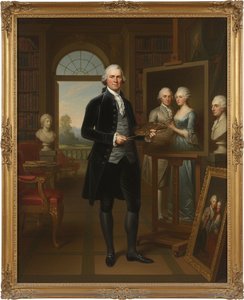
Sir Nathaniel Dance-Holland: Portraiture, Patronage & Georgian Identity
Explore the life & art of Sir Nathaniel Dance-Holland, a leading Georgian portraitist. Discover his masterful technique, influential patrons, and lasting impact on 18th-century British society. A guide for discerning collectors.

Pietro Longhi's Venetian Scenes: A Study of Rococo Society & Domestic Life
Explore the captivating world of Pietro Longhi's Venetian scenes! Discover insightful analysis of his Rococo masterpieces & social commentary on 18th-century life. Learn about this 'Venetian Hogarth' and his lasting artistic legacy.