

 미리보기
미리보기
 공유하기
공유하기 공유하기
공유하기
 상세 정보
상세 정보 가이드 보기

 다운로드
다운로드
 유사 작품 더 보기
 X-레이
X-레이 슬라이드 쇼 보기
 질의응답
질의응답 통계 정보
통계 정보Begonia


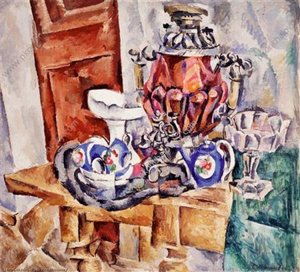
Explore Pyotr Konchalovsky's captivating Begonia – a still life masterpiece depicting vibrant red and pink flowers within elegant vases alongside delicate cups, capturing the spirit of Russian art history.
 더 보기
더 보기
혁명과 변화의 시대를 기록한 러시아 화가 표트르 콘찰로프스키(1876-1956). 인상주의, 포비즘, 사회주의 리얼리즘을 융합한 독창적인 스타일로 풍경화, 초상화 등 다채로운 작품 세계를 펼쳤습니다. 러시아 미술사에 중요한 발자취를 남긴 그의 예술을 만나보세요.
지클레 / 아트 프린트
빠른 제작과 다양한 마감 옵션을 제공하는 박물관 수준의 지클레이 및 캔버스 프린트. ( 수작업 채색 복제본 주문하기 디지털 이미지로 전환)




P118B ₩10

P118H ₩10

P118W ₩10

P438Z ₩10

P508JH ₩12

P508YH ₩12

P805H ₩10

P805Z ₩10

P919BZ ₩10

P919G ₩10

P919XJ ₩10

P959ZH ₩10

P968JZ ₩12

W106C ₩8

W218G ₩10

W218JH ₩8

W218Y ₩10

W307PJ ₩10

W316G ₩10

W316PJ ₩8

W316Y ₩10

W398PJ ₩8

W4111J ₩10

W500HY ₩15

W500JH ₩15

W692G ₩12

W849H ₩8

W940BG ₩15

W953PJ ₩8




표준 규격
맞춤형
CM
INCH
작품의 원본 비율을 그대로 유지하는 프리셋 사이즈 중에서 선택해 보세요.
Loading sizes...

가로 너비
세로 길이
액자나 벽면 크기에 맞춰 필요한 가로와 세로 길이를 입력해 주세요. 프린트는 원본 이미지보다 크게 제작할 수 없으며 오직 자르는 것만 가능하므로, 비율이 다른 사이즈를 선택할 경우 이미지의 일부가 잘려 나갈 수 있습니다. 인쇄 작업에 들어가기 전, 최종 확인을 위해 디지털 목업을 보내드립니다. 이 페이지에 표시된 이미지는 실제 잘리는 영역을 나타내지 않으며, 오직 목업을 통해서만 정확한 확인이 가능합니다.


 유리 옵션은 110cm 미만 크기에서만 선택 가능합니다.

Begonia
지클레 / 아트 프린트
복제본 크기
-


최종 결제 금액
₩ 93362
A Portrait of Turbulent Russia: Exploring Pyotr Konchalovsky’s “Begonia”
Pyotr Petrovich Konchalovsky's "Begonia," painted circa 1908, stands as a poignant emblem of the Russian avant-garde’s fascination with capturing fleeting moments of beauty amidst societal upheaval. More than just a depiction of flowers—specifically a begonia blossom—the painting embodies a broader artistic impulse to distill emotion and intellect into visual form, reflecting the anxieties and aspirations of a nation grappling with rapid modernization.
Style & Technique: Konchalovsky’s approach aligns squarely with Neo-Impressionism, championed by artists like Georges Seurat and Paul Cézanne. Unlike Impressionists who sought to capture atmospheric effects, Konchalovsky meticulously applied small dots of pure pigment—primarily reds, pinks, and yellows—to build up tonal variations within the flower petals and vases. This technique, known as Pointillisme, wasn’t merely a stylistic choice; it represented a deliberate rejection of traditional brushstrokes in favor of scientific observation and mathematical precision. The artist painstakingly analyzed how light interacts with color, striving to reproduce its nuances with unparalleled accuracy.
Historical Context: Painted during the Belle Époque—a period characterized by optimism and artistic experimentation—"Begonia" speaks to a Russia undergoing significant transformations under Tsar Nicholas II’s reign. While outward appearances suggested prosperity and grandeur (the opulent palaces of St. Petersburg), beneath the surface simmered discontent fueled by social inequalities and burgeoning revolutionary sentiment. The painting's stillness contrasts sharply with this turbulent backdrop, inviting contemplation on themes of fragility and resilience.
Symbolism & Composition: The begonia itself carries considerable symbolic weight. Traditionally associated with femininity, beauty, and rebirth—often depicted as a symbol of resurrection—the flower’s delicate petals symbolize the ephemeral nature of life and the importance of savoring every moment. The vases serve as containers for this beauty, mirroring the role of art in preserving and transmitting cultural values. Furthermore, the arrangement of objects – the vases, cups, and begonia – contributes to a carefully constructed visual narrative that emphasizes balance and harmony despite the underlying tension.
Emotional Impact: Viewing “Begonia” evokes a sense of quiet contemplation and melancholic beauty. The artist’s masterful use of color and technique captures not only the physical appearance of the flower but also its emotional essence—a subtle suggestion of vulnerability amidst grandeur, mirroring the complexities of Russian society at the turn of the century. It's a piece that lingers in the mind long after viewing, prompting reflection on themes of beauty, decay, and the enduring power of artistic expression.
- Artist: Pyotr Petrovich Konchalovsky
- Year Painted: Circa 1908
- Style: Neo-Impressionism
- Technique: Pointillisme (Dot Painting)
질의응답
"Begonia"의 Russian Symbolism 양식에는 어떤 정서적 어조가 담겨 있나요?
"Begonia"은 Russian Symbolism 운동의 흐름 속에서 Tranquil 정서를 담아내고 있습니다.
표트르 콘찰로프스키의 "Begonia"의 색채는 어떤 감정을 불러일으키나요?
표트르 콘찰로프스키의 "Begonia"의 Neutrals 색조는 작품 특유의 Tranquil 분위기와 조화를 이룹니다. 색채는 작품이 감정을 전달하는 핵심적인 요소 중 하나입니다.
표트르 콘찰로프스키의 "Begonia"의 복제본은 어디에 걸면 좋을까요?
표트르 콘찰로프스키의 "Begonia"의 작품 형태(Portrait)와 추천 공간(Living Room)은 이 작품을 위한 두 가지 배치 정보입니다.




작가 정보
피터 콘찰로프스키: 격변하는 러시아를 담아낸 한 화가의 삶과 예술
피터 페트로비치 콘찰로프스키(Pyotr Petrovich Konchalovsky, 1876-1956)는 러시아 혁명과 이데올로기적 변화의 소용돌이 속에서 격변하는 러시아를 시각적으로 기록한 화가였다. 그의 예술 여정은 국가 자체의 혼란스러운 변혁을 반영하며 끊임없는 새로운 표현 방식을 추구했다. 1876년 하르키우 근처 슬라랔카 마을에서 태어난 콘찰로프스키는 예술적 분위기 속에서 성장했다. 그의 아버지 페트로 페트로비치 콘찰로프스키는 존경받는 번역가이자 미술 출판인이었으며, 모스크바에 위치한 그의 집은 발렌틴 세로프, 미하일 브루벨, 바실리 수리코프 등 당대의 주요 예술가들이 자주 방문하는 활기찬 중심지였다. 이러한 초기 노출은 단순한 관찰을 넘어 젊은 피터에게 예술적 표현에 대한 깊은 감상을 심어주었고 그의 미래를 위한 토대를 마련했다. 트레챠코프 미술관의 걸작들을 흡수하며 보낸 주말들은 러시아 거장들의 힘으로 그의 미학적 감성을 형성하는 데 중요한 역할을 했다.파리에서의 영향과 아방가르드 혁신
콘찰로프스키의 공식적인 예술 교육은 모스크바 회화 조각 건축 학교에서 시작되었지만, 1896년부터 1898년까지 파리에서 줄리앙 미술회관에서 보낸 기간이 결정적이었다. 이 프랑스 미술계에 대한 몰입은 그의 예술에 혁신을 가져왔다. 그는 폴 세잔과 빈센트 반 고흐의 선구적인 작품들을 접하며 기존의 표현 방식을 도전하고 형태와 색상을 인식하는 새로운 방법을 탐구하는 예술가들을 만났다. 이후 아를로 여행은 반 고흐의 예술적 비전에 대한 더 깊은 이해를 가능하게 했으며, 표현 강렬함의 핵심으로 향하는 순례였다. 러시아로 돌아온 그는 상트페테르부르크 제국 미술 아카데미에서 공부를 계속하며 1907년에 졸업했다. 그러나 진정한 예술적 개성을 확립한 것은 그가 귀환한 후였다. 그는 러시아 아방가르드 운동의 핵심 인물이 되었으며, 1910년 영향력 있는 “다이아몬드의 나이트(Knave of Diamonds)” 그룹을 공동 창설했다. 이 그룹은 학문적 전통을 거부하고 실험을 옹호하며 서구 유럽 모더니즘뿐만 아니라 러시아 자체의 민속 예술 전통에서 영감을 얻었다. 그룹의 첫 의장으로서 콘찰로프스키는 그 방향을 형성하고 급진적인 아이디어를 홍보하는 데 중요한 역할을 했다.변화하는 이념 속에서의 진화: 스타일과 주제
콘찰로프스키의 예술적 스타일은 그의 개인적인 탐구와 러시아의 변화하는 정치적 기후를 반영하여 경력 내내 진화했다. 초기에는 폴리비즘과 세잔에 영향을 받아 그의 초기 작품은 대담한 색상, 단순화된 형태, 구조에 대한 집중으로 특징지어졌다. “커피포트가 있는 정물”과 같은 그림은 활기찬 팔레트와 역동적인 구성을 보여주며 이 시기를 예시한다. 제1차 세계 대전 중 러시아 군 복무 이후 콘찰로프스키의 스타일은 변화하기 시작했다. 소비에트 체제 하에서 사회주의 사실주의의 부상은 이념적 목적을 섬기고 사회주의 이상을 기념하며 저명한 인물을 묘사하는 예술을 요구했다. 이것이 그의 이전 아방가르드 탐구로부터의 전환이었지만, 콘찰로프스키는 적응하여 의례적인 초상화로 유명해졌다. 이러한 변화에도 불구하고 그는 독특한 예술적 목소리를 유지하며 심지어 새로운 시대의 제약 내에서 자신의 예술적 감성을 표현할 수 있는 방법을 찾아 정치적으로 더 많은 영향을 받은 작품에도 견고함과 기념비적인 느낌을 불어넣었다. 그의 다작(5,000점 이상)은 그의 끊임없는 헌신과 그림 예술에 대한 확고한 의지를 증명한다.유산과 지속적인 중요성
피터 콘찰로프스키의 러시아 미술에 대한 기여는 부정할 수 없다. 그는 초기 모더니즘과 사회주의 사실주의 사이의 간극을 메웠으며 복잡한 정치적 상황 속에서 중요한 예술가로서 남아 있었다. 1922년 트레챠코프 미술관에서의 첫 개인전은 그를 러시아 최고의 예술가 중 한 명으로서 그의 명성을 확고히 했다. 자신의 작품 외에도 콘찰로프스키는 예술에 깊이 관여한 가족을 육성했다. 그의 아들 미하일 페트로비치 콘찰로프스키는 유명한 영화 감독이 되었고, 그의 딸 나타샤 콘찰로프스카야는 재능 있는 예술가였다. 그의 그림은 단순히 미학적으로 즐거운 물건이 아니라 격변하는 시대에 만들어진 역사적 문서이다. 그들은 러시아 미술의 진화와 급변하는 사회 내에서 활동한 예술가들이 직면한 과제에 대한 귀중한 통찰력을 제공한다. 콘찰로프스키의 적응 능력과 스타일을 유지하면서 그의 작품은 정치적 격변 속에서 예술적 표현의 회복력에 대한 증거로서 남아 있으며, 오늘날까지 관객들에게 영감을 주고 매료시키고 있다.
표트르 콘찰로프스키
1876 - 1956 , 러시아
작가 정보 요약
- 국적: 러시아
- 대표 작품:
- 풍경화
- 커피포트와 함께한 정물
- 노브고로드 사람들
- 영향을 받은 예술 사조: ['러시아 아방가르드']
- 영향을 준 예술가:
- Paul Cézanne
- Vincent van Gogh
- 예술 사조: 아방가르드, 원소주의, 사실주의
- 전체 이름: Pyotr Petrovich Konchalovsky
- 출생일: 1876년 2월 21일 (9일)
관련 콘텐츠

Victor Vasnetsov: Myth, Nationalism & the Revival of Russian Fairy Tale Painting
Explore the captivating world of Victor Vasnetsov, a co-founder of Russian folklorist painting. Discover his iconic works, influence on national identity, and lasting legacy in this expert guide.

Blossoming Symbolism: A Historical Journey Through Flowers in Western Painting
Explore the rich history of flower symbolism in Western painting! Discover how artists from the Renaissance to Modernism used blossoms to convey meaning, emotion & beauty. Learn about iconic artworks and movements.

Silent Narratives: Exploring the Enduring Appeal of Still Life Painting Across Centuries
Explore the rich history of still life painting with TopImpressionists. Discover Dutch Masters, decode vanitas symbolism & learn about collecting timeless art. Expert insights and museum-quality reproductions.

Ivan Bilibin: A Synthesis of Folklore, Modernism & National Identity in Russian Illustration
Explore the enchanting world of Ivan Bilibin, a master Russian illustrator who synthesized folklore, Art Nouveau & national identity. Discover his iconic fairy tale illustrations and legacy with TopImpressionists.

폴 세잔 명작 25선: 시대를 초월하는 예술과 공간의 미학 | TopImpressionists
폴 세잔의 시대를 초월하는 명작 25점을 만나보세요. 인상주의를 넘어 후기 인상주의를 개척한 화가의 예술 세계와 정물화, 풍경화 속 숨겨진 이야기를 TopImpressionists에서 감상하세요. 고품질 아트 프린트와 캔버스 액자로 공간에 예술을 더해보세요! 지금 바로 컬렉션을 탐험하세요.