


 실제 크기로 보기
 보내기
보내기 공유하기
공유하기
 상세 보기
상세 보기 가이드 보기

 이미지 다운로드
 유사 작품 더 보기
 X-레이
X-레이 슬라이드 쇼 보기
 통계 정보
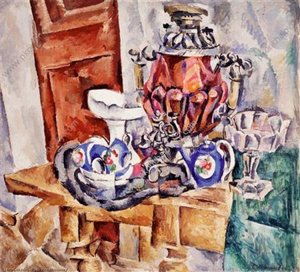
통계 정보Still Life with a Coffeepot
 Oil On Canvas
- WallArt
- Fauvism
 1919
1919- Modern
 105.0 x 108.0 cm
Experience Konchalovsky's 'Still Life with a Coffeepot,' a vibrant 1919 Fauvist masterpiece! Bold colors & Cubist influences create a harmonious, balanced scene.
 상세 보기
상세 보기
혁명과 변화의 시대를 기록한 러시아 화가 표트르 콘찰로프스키(1876-1956). 인상주의, 포비즘, 사회주의 리얼리즘을 융합한 독창적인 스타일로 풍경화, 초상화 등 다채로운 작품 세계를 펼쳤습니다. 러시아 미술사에 중요한 발자취를 남긴 그의 예술을 만나보세요.
지클레 / 아트 프린트
빠른 제작과 다양한 마감 옵션을 선택할 수 있는 박물관 수준의 지클레이 및 캔버스 프린트. ( 수작업 채색 복제본 주문하기 디지털 이미지 판매 채널로 전환)




P118B ₩10

P118H ₩10

P118W ₩10

P438Z ₩10

P508JH ₩12

P508YH ₩12

P805H ₩10

P805Z ₩10

P919BZ ₩10

P919G ₩10

P919XJ ₩10

P959ZH ₩10

P968JZ ₩12

W106C ₩8

W218G ₩10

W218JH ₩8

W218Y ₩10

W307PJ ₩10

W316G ₩10

W316PJ ₩8

W316Y ₩10

W398PJ ₩8

W4111J ₩10

W500HY ₩15

W500JH ₩15

W692G ₩12

W849H ₩8

W940BG ₩15

W953PJ ₩8




표준 규격
맞춤 제작
CM
INCH
작품의 원본 비율을 그대로 유지하는 프리셋 사이즈 중에서 선택해 보세요.
Loading sizes...

가로 너비
높이
액자나 벽면 크기에 맞춰 필요한 가로와 세로 길이를 입력해 주세요. 프린트는 원본 이미지보다 크게 제작할 수 없으며 오직 자르는 것만 가능하므로, 비율이 다른 사이즈를 선택할 경우 이미지의 일부가 잘려 나갈 수 있습니다. 인쇄 작업에 들어가기 전, 최종 확인을 위해 디지털 목업을 보내드립니다. 이 페이지에 표시된 이미지는 실제 잘리는 영역을 나타내지 않으며, 오직 목업을 통해서만 정확한 확인이 가능합니다.


 유리 옵션은 110cm 미만 크기에서만 선택 가능합니다.

Still Life with a Coffeepot
지클레 / 아트 프린트
복제본 규격
-


총 결제 금액
₩ 93636
Still Life with a Coffeepot: A Fauvist Celebration of Everyday Objects
Pyotr Konchalovsky’s Still Life with a Coffeepot, painted in 1919, is a vibrant and captivating example of the Fauvist movement. Measuring 105 x 108 cm, this artwork transcends a simple depiction of domestic items; it's an exploration of color, form, and the expressive potential of paint itself.
Composition and Subject Matter
The painting presents a carefully arranged still life set upon a table draped with a warm yellow cloth. The scene is populated with familiar objects: a blue vase brimming with flowers, a small white bowl holding green fruits (likely limes), and the titular yellow teapot. These elements are not rendered with photographic realism but rather simplified and stylized to emphasize their inherent shapes and colors. The background, painted in varying shades of blue, provides a cool counterpoint to the warmer tones dominating the foreground, creating visual balance and depth. The arrangement isn't haphazard; it demonstrates Konchalovsky’s skill in orchestrating a harmonious composition that guides the viewer's eye across the canvas.
Fauvist Style and Influences
Konchalovsky was deeply influenced by French Impressionism and, most notably, Fauvism. The term "Fauve" (meaning “wild beast”) was applied to artists who utilized bold, non-naturalistic colors and expressive brushstrokes. Still Life with a Coffeepot exemplifies these characteristics. The colors are not used to accurately represent the objects but rather to evoke emotion and create visual impact. The visible brushwork adds texture and dynamism to the painting, further distancing it from traditional realism. One can also detect echoes of Paul Cézanne’s influence in Konchalovsky's approach to form and structure, particularly in the way he simplifies shapes and explores spatial relationships.
Historical Context and Artistic Significance
Created in 1919, shortly after the Russian Revolution, this painting reflects a period of significant social and artistic upheaval. Konchalovsky was a member of the Jack of Diamonds group, a collective of artists who actively challenged traditional representational art forms. This group sought to introduce modern European trends – particularly Fauvism and Cubism – into the Russian art scene. Still Life with a Coffeepot stands as a testament to this artistic rebellion, showcasing Konchalovsky’s contribution to the development of Fauvism within the context of Russian art. It represents a move away from academic conventions towards a more expressive and subjective approach to painting.
Emotional Impact and Lasting Appeal
Beyond its historical significance, Still Life with a Coffeepot possesses an undeniable emotional appeal. The vibrant colors and dynamic brushstrokes create a sense of energy and vitality. While the subject matter is commonplace – everyday objects found in a home – Konchalovsky elevates it to something extraordinary through his artistic vision. The painting evokes feelings of warmth, comfort, and perhaps even a touch of nostalgia. It’s a celebration of the beauty that can be found in the ordinary, rendered with an exuberance that continues to captivate viewers today.
질의응답
표트르 콘찰로프스키의 "Still Life with a Coffeepot"은(는) 어떤 감정을 전달하나요?
"Still Life with a Coffeepot"은(는) Reflective 느낌을 전달합니다. 이 정서적 톤은 작품이 주는 인상을 설명합니다.
표트르 콘찰로프스키의 "Still Life with a Coffeepot"의 제작 연도와 화풍은 무엇인가요?
표트르 콘찰로프스키의 "Still Life with a Coffeepot"은(는) 1919년에 제작되었으며 Fauvism에 속합니다.
"Still Life with a Coffeepot"의 Fauvism 양식에는 어떤 정서적 어조가 담겨 있나요?
"Still Life with a Coffeepot"의 Reflective한 감정은 그 Fauvism 양식과 함께 어우러집니다.




작가 소개
피터 콘찰로프스키: 격변하는 러시아를 담아낸 한 화가의 삶과 예술
피터 페트로비치 콘찰로프스키(Pyotr Petrovich Konchalovsky, 1876-1956)는 러시아 혁명과 이데올로기적 변화의 소용돌이 속에서 격변하는 러시아를 시각적으로 기록한 화가였다. 그의 예술 여정은 국가 자체의 혼란스러운 변혁을 반영하며 끊임없는 새로운 표현 방식을 추구했다. 1876년 하르키우 근처 슬라랔카 마을에서 태어난 콘찰로프스키는 예술적 분위기 속에서 성장했다. 그의 아버지 페트로 페트로비치 콘찰로프스키는 존경받는 번역가이자 미술 출판인이었으며, 모스크바에 위치한 그의 집은 발렌틴 세로프, 미하일 브루벨, 바실리 수리코프 등 당대의 주요 예술가들이 자주 방문하는 활기찬 중심지였다. 이러한 초기 노출은 단순한 관찰을 넘어 젊은 피터에게 예술적 표현에 대한 깊은 감상을 심어주었고 그의 미래를 위한 토대를 마련했다. 트레챠코프 미술관의 걸작들을 흡수하며 보낸 주말들은 러시아 거장들의 힘으로 그의 미학적 감성을 형성하는 데 중요한 역할을 했다.파리에서의 영향과 아방가르드 혁신
콘찰로프스키의 공식적인 예술 교육은 모스크바 회화 조각 건축 학교에서 시작되었지만, 1896년부터 1898년까지 파리에서 줄리앙 미술회관에서 보낸 기간이 결정적이었다. 이 프랑스 미술계에 대한 몰입은 그의 예술에 혁신을 가져왔다. 그는 폴 세잔과 빈센트 반 고흐의 선구적인 작품들을 접하며 기존의 표현 방식을 도전하고 형태와 색상을 인식하는 새로운 방법을 탐구하는 예술가들을 만났다. 이후 아를로 여행은 반 고흐의 예술적 비전에 대한 더 깊은 이해를 가능하게 했으며, 표현 강렬함의 핵심으로 향하는 순례였다. 러시아로 돌아온 그는 상트페테르부르크 제국 미술 아카데미에서 공부를 계속하며 1907년에 졸업했다. 그러나 진정한 예술적 개성을 확립한 것은 그가 귀환한 후였다. 그는 러시아 아방가르드 운동의 핵심 인물이 되었으며, 1910년 영향력 있는 “다이아몬드의 나이트(Knave of Diamonds)” 그룹을 공동 창설했다. 이 그룹은 학문적 전통을 거부하고 실험을 옹호하며 서구 유럽 모더니즘뿐만 아니라 러시아 자체의 민속 예술 전통에서 영감을 얻었다. 그룹의 첫 의장으로서 콘찰로프스키는 그 방향을 형성하고 급진적인 아이디어를 홍보하는 데 중요한 역할을 했다.변화하는 이념 속에서의 진화: 스타일과 주제
콘찰로프스키의 예술적 스타일은 그의 개인적인 탐구와 러시아의 변화하는 정치적 기후를 반영하여 경력 내내 진화했다. 초기에는 폴리비즘과 세잔에 영향을 받아 그의 초기 작품은 대담한 색상, 단순화된 형태, 구조에 대한 집중으로 특징지어졌다. “커피포트가 있는 정물”과 같은 그림은 활기찬 팔레트와 역동적인 구성을 보여주며 이 시기를 예시한다. 제1차 세계 대전 중 러시아 군 복무 이후 콘찰로프스키의 스타일은 변화하기 시작했다. 소비에트 체제 하에서 사회주의 사실주의의 부상은 이념적 목적을 섬기고 사회주의 이상을 기념하며 저명한 인물을 묘사하는 예술을 요구했다. 이것이 그의 이전 아방가르드 탐구로부터의 전환이었지만, 콘찰로프스키는 적응하여 의례적인 초상화로 유명해졌다. 이러한 변화에도 불구하고 그는 독특한 예술적 목소리를 유지하며 심지어 새로운 시대의 제약 내에서 자신의 예술적 감성을 표현할 수 있는 방법을 찾아 정치적으로 더 많은 영향을 받은 작품에도 견고함과 기념비적인 느낌을 불어넣었다. 그의 다작(5,000점 이상)은 그의 끊임없는 헌신과 그림 예술에 대한 확고한 의지를 증명한다.유산과 지속적인 중요성
피터 콘찰로프스키의 러시아 미술에 대한 기여는 부정할 수 없다. 그는 초기 모더니즘과 사회주의 사실주의 사이의 간극을 메웠으며 복잡한 정치적 상황 속에서 중요한 예술가로서 남아 있었다. 1922년 트레챠코프 미술관에서의 첫 개인전은 그를 러시아 최고의 예술가 중 한 명으로서 그의 명성을 확고히 했다. 자신의 작품 외에도 콘찰로프스키는 예술에 깊이 관여한 가족을 육성했다. 그의 아들 미하일 페트로비치 콘찰로프스키는 유명한 영화 감독이 되었고, 그의 딸 나타샤 콘찰로프스카야는 재능 있는 예술가였다. 그의 그림은 단순히 미학적으로 즐거운 물건이 아니라 격변하는 시대에 만들어진 역사적 문서이다. 그들은 러시아 미술의 진화와 급변하는 사회 내에서 활동한 예술가들이 직면한 과제에 대한 귀중한 통찰력을 제공한다. 콘찰로프스키의 적응 능력과 스타일을 유지하면서 그의 작품은 정치적 격변 속에서 예술적 표현의 회복력에 대한 증거로서 남아 있으며, 오늘날까지 관객들에게 영감을 주고 매료시키고 있다.
표트르 콘찰로프스키
1876 - 1956 , 러시아
작가 정보 요약
- 국적: 러시아
- 대표 작품:
- 풍경화
- 커피포트와 함께한 정물
- 노브고로드 사람들
- 영향을 받은 예술 사조: ['러시아 아방가르드']
- 영향을 준 예술가:
- Paul Cézanne
- Vincent van Gogh
- 예술 사조: 아방가르드, 원소주의, 사실주의
- 전체 이름: Pyotr Petrovich Konchalovsky
- 출생일: 1876년 2월 21일 (9일)
관련 기사

Victor Vasnetsov: Myth, Nationalism & the Revival of Russian Fairy Tale Painting
Explore the captivating world of Victor Vasnetsov, a co-founder of Russian folklorist painting. Discover his iconic works, influence on national identity, and lasting legacy in this expert guide.

조르주 브라크의 걸작 25선: 예술과 공간을 초월하는 시선 | TopImpressionists
조르주 브라크의 시대를 초월한 25개의 걸작을 만나보세요. 입체주의를 개척한 프랑스 화가의 예술 세계와 숨겨진 이야기를 TopImpressionists에서 감상하고, 명작 유화 복제본으로 공간에 특별함을 더하세요. 지금 바로 컬렉션을 탐험하세요!

Silent Narratives: Exploring the Enduring Appeal of Still Life Painting Across Centuries
Explore the rich history of still life painting with TopImpressionists. Discover Dutch Masters, decode vanitas symbolism & learn about collecting timeless art. Expert insights and museum-quality reproductions.

Ivan Bilibin: A Synthesis of Folklore, Modernism & National Identity in Russian Illustration
Explore the enchanting world of Ivan Bilibin, a master Russian illustrator who synthesized folklore, Art Nouveau & national identity. Discover his iconic fairy tale illustrations and legacy with TopImpressionists.

Deconstructing Reality: A Comprehensive Exploration of Cubist Still Life
Explore the revolutionary world of Cubist Still Life with TopImpressionists. Discover Picasso & Braque's groundbreaking techniques, its philosophical roots, and lasting impact on modern art. Expert insights for collectors.