

표시된 작품: · 액자 포함:
 미리보기
미리보기
 공유하기
공유하기 공유하기
공유하기
 상세 정보
상세 정보 가이드 보기

 다운로드
다운로드
 유사 작품 더 보기
 X-레이
X-레이 슬라이드 쇼 보기
 질의응답
질의응답 통계 정보
통계 정보


₩ 360714
핸드메이드 유화 복제화
작가가 직접 캔버스에 손으로 그린 유화 작품으로, 원하는 크기와 액자로 맞춤 제작해 드립니다. ( 프린트 판매로 전환 디지털 이미지로 전환)
사이즈
·표준 규격
맞춤형
CM
INCH
작품의 원본 비율을 그대로 유지하는 프리셋 사이즈 중에서 선택해 보세요.
사이즈 불러오는 중...

가로 너비
세로 길이
액자나 벽면 크기에 맞춰 필요한 가로와 세로 길이를 입력해 주세요. 본 작품은 수작업으로 제작되므로, 요청하신 비율에 따라 작가가 그림의 가장자리를 조금 더 넓게 그리거나 일부를 조정하여 작업할 수 있습니다. 작업 시작 전, 최종 확인을 위해 디지털 목업 이미지를 보내드립니다. 이 페이지에 표시된 이미지는 실제 결과물과 다를 수 있으며, 오직 목업 이미지만이 정확한 결과물을 보여줍니다.
 더 알아보기
완료
·
화이트 테두리 ₩1

블러사이드 ₩1

옆면 확장형 ₩1

P118B ₩10

P118H ₩10

P118W ₩10

P438Z ₩10

P508JH ₩12

P508YH ₩12

P805H ₩10

P805Z ₩10

P919BZ ₩10

P919G ₩10

P919XJ ₩10

P959ZH ₩10

P968JZ ₩12

W106C ₩8

W218G ₩10

W218JH ₩8

W218Y ₩10

W307PJ ₩10

W316G ₩10

W316PJ ₩8

W316Y ₩10

W398PJ ₩8

W4111J ₩10

W500HY ₩15

W500JH ₩15

W692G ₩12

W849H ₩8

W940BG ₩15

W953PJ ₩8

H24-GOLD ₩30

H24-SILVER ₩30

H36-GOLD ₩45

H36-SILVER ₩45
보호용 튜브에 담겨 안전하게 배송되며, 고객님께서 직접 액자에 끼워 사용하실 수 있습니다.
105cm를 초과하는 프레임은 전문 액자 제작사를 위한 키트 형태로 배송됩니다 — 자세한 내용을 확인하세요.
추가 서비스
선택 사항추가 구성품에는 무엇이 포함되어 있나요?
변경 가능한 예시: 얼굴을 고객의 사진으로 교체, 반려동물 추가 (예: 고양이를 강아지로 변경), 배경에 숨겨진 메시지 포함, 배경 풍경 또는 요소 변경.
주문 완료 후, TopImpressionists.com 팀에서 상세 안내를 위해 고객님께 이메일을 보내드리며, 시안 미리보기를 제공해 드립니다.
주문 완료 후, TopImpressionists.com 팀에서 상세 안내를 위해 고객님께 이메일을 보내드리며, 시안 미리보기를 제공해 드립니다.
전 세계 배송()은 표준 5주 대신 3~4주 내에 완료됩니다. (10 11월). 품질에는 어떠한 타협도 하지 않습니다.
보호용 바니시
작품 설명문
동판 각인 상세 정보
This elegant plaque features the artist's name and the title of the artwork, finely engraved for a timeless presentation.
It is made from bronze with a refined, elegant finish. The text is precisely laser-engraved for a sharp and permanent result. Measuring 9x2 cm, the plaque is compact yet easy to read. It's built to be durable and scratch-resistant, offering a professional, museum-quality look. Mounting is simple thanks to the included adhesive backing.
투명 아크릴 명판 상세 정보
The plaque includes essential engraved details such as the artist's name, the title of the artwork, the date it was created, the type of media used-like oil on canvas or watercolor-a brief description of the piece, and a QR code that links to the complete artwork information.
It is crafted from clear acrylic, offering a sleek, modern appearance. The text is UV-engraved in black to ensure strong visual contrast. With a size of 10x15 cm, it ensures optimal readability. It comes equipped with two metal hooks for secure wall mounting. The plaque is designed to be weather-resistant, making it suitable for various environments, and it includes interactive features that work seamlessly with smartphone scanning.
블랙 아크릴 명판 상세 정보
This elegant plaque includes engraved information such as the artist's name, the title of the artwork, the date it was created, the type of media used (like oil on canvas or watercolor), a short description of the artwork, and a QR code for quick access to more information.
The plaque itself is made from refined black acrylic with a premium finish. The text is laser-engraved in white for high contrast and readability. Its size is 10x15 cm, designed to be easy to read. It comes with two metal hooks for professional mounting. The design is sleek and fits any interior style. It is also weather-resistant and durable, with built-in digital integration for mobile compatibility.
유리 옵션은 110cm 미만 크기에서만 선택 가능합니다.
 유리 옵션은 110cm 미만 크기에서만 선택 가능합니다.
- 전 세계 무료 특급 배송
- 프리미엄 린넨 캔버스
- 배송 전 과정 보험 적용
- 관세 및 수입세 환급 보장 서비스
- 원본과 동일한 색상 구현 보장
- 100일 이내 반품 정책 (결함 발생 시)
- 100% 환불 보장
- 다량 구매 할인 혜택


수집품 상세 설명
Discover Richard Jettel’s ‘Pumpkin Field’ (1885). An Impressionistic landscape of rural life, showcasing textured brushwork & a serene autumn scene. Explore this captivating artwork!
작가 프로필
Discover Richard Alfred Eugen Jettel (1845-1901), a Croatian painter & Vienna Secession co-founder. Explore his captivating Impressionistic landscapes, influenced by Barbizon & Art Nouveau styles.
작품 정보
주요 정보 및 아트 퀴즈
Richard Alfred Eugen Jettel 소개

Richard Alfred Eugen Jettel
1845 - 1901, Croatia
작가 정보
A Life Immersed in Landscape: The World of Richard Alfred Eugen Jettel
Richard Alfred Eugen Jettel, a name perhaps less immediately recognizable than some of his contemporaries within the Vienna Secession, nevertheless occupies a crucial position in understanding the transition from traditional landscape painting to the burgeoning artistic currents of late 19th-century Europe. Born in 1845 in what is now Croatia – then part of Austria-Hungary – Jettel’s life was one dedicated to capturing the serene beauty and atmospheric nuances of the natural world. His journey, spanning Vienna, Paris, and his beloved Istria, reflects a fascinating interplay between academic training, Impressionistic influence, and a commitment to forging a distinctly personal artistic vision. From humble beginnings in a family connected to industry – his father was an ironworks administrator – Jettel’s path led him towards the canvas, beginning formal studies at the Vienna Academy of Fine Arts in 1860 under Albert Zimmermann. This early exposure fostered connections with future artists like Emil Jakob Schindler and Robert Russ, nurturing an appreciation for the Barbizon School's naturalistic approach that would profoundly shape his artistic development.Parisian Light and the Embrace of Impressionism
The year 1873 marked a pivotal moment in Jettel’s career: his move to Paris, secured through a contract with the influential art dealer Charles Sedelmeyer. This relocation wasn't merely a change of scenery; it was an immersion into the heart of the avant-garde. The Parisian art scene, vibrant and brimming with innovation, proved transformative for Jettel. He absorbed the techniques and philosophies of Impressionism, moving away from strictly academic renderings towards capturing fleeting moments of light and atmosphere. His landscapes began to exhibit a looser brushstroke, a heightened sensitivity to color, and a focus on conveying the *feeling* of a place rather than simply its topographical accuracy. This period saw Jettel’s reputation grow, with regular exhibitions at prestigious salons like the Salon des Champs-Elysées and the Salon du Champ-de-Mars. He became known for his Barbizon-inspired scenes – tranquil portrayals of rural life imbued with textured brushwork and a palpable sense of serenity. While in Paris, Jettel also served as a teacher to Émile Barau, further demonstrating his influence within the artistic community.Return to Vienna and Secessionist Affiliations
Despite his success in France, Jettel eventually returned to Vienna in 1897, inheriting wealth that afforded him the freedom to dedicate himself entirely to his art. This return coincided with a period of significant upheaval and innovation within the Austrian art world. The formation of the Vienna Secession – a group of artists rebelling against the conservative constraints of the established Academy – offered Jettel a new platform for artistic expression. He became a founding member, aligning himself with a movement that championed artistic freedom and embraced modern aesthetics. While his style didn’t radically depart from his earlier Impressionistic leanings, his Secessionist affiliation signaled a commitment to challenging convention and exploring new avenues of artistic inquiry. His involvement solidified his position as a significant figure in Austrian modern art, bridging the gap between traditional landscape painting and the emerging avant-garde.A Legacy Etched in Landscape
Throughout his career, Jettel remained steadfastly devoted to landscape painting. Whether depicting rolling hills, dense forests, tranquil bodies of water, or scenes of rural life, his works consistently conveyed a sense of harmony between humanity and nature. Notable examples like “River Landscape” and “Mountainous Landscape” exemplify this enduring theme. He received numerous accolades throughout his career, including Gold Medals in Munich (1874), Vienna (1877), and at the Paris World’s Fair (1889), culminating in his knighthood into the Légion d'honneur in 1898. Jettel’s influence extended beyond his immediate circle; artists like William Beattie Brown and Eugène Louis Boudin were demonstrably impacted by his style, particularly his ability to capture atmospheric effects with remarkable sensitivity. Today, his paintings are held in esteemed collections such as the Museum Galerie Würthle in Vienna, ensuring that his artistic legacy continues to inspire. Jettel’s work serves as a poignant reminder of the power of landscape painting to evoke emotion, celebrate beauty, and connect us to the natural world – a testament to a life lived immersed in its captivating embrace.Richard Alfred Eugen Jettel에 관한 주요 정보
- Full Name: Richard Alfred Eugen Jettel
- Nationality: Austrian/Croatian
- Date Of Birth: 1845
- Date Of Death: 1901
- Place Of Birth: Vienna, Croatia
- Notable Artworks:
- River Landscape
- Mountainous Landscape
- Pumpkin Field
- Artistic Movement Or Style:
- Vienna Secession
- Impressionism
- Barbizon School
- Artists Who Influenced This Artist:
- Albert Zimmermann
- August von Pettenkofen
- Artists Or Movements Influenced By This Artist:
- William Beattie Brown
- Eugène Louis Boudin
- Gustav Klimt
유사한 작품들

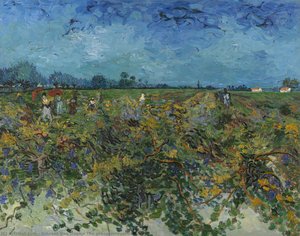


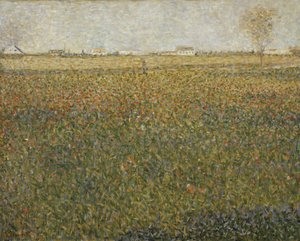


Richard Alfred Eugen Jettel
Pumpkin field
() ·
액자 포함: · 린넨 위에 유채로 직접 그린 작품
총액