


 실제 크기로 보기
 보내기
보내기 공유하기
공유하기
 상세 보기
상세 보기 가이드 보기

 이미지 다운로드
 유사 작품 더 보기
 X-레이
X-레이 슬라이드 쇼 보기
 통계 정보
통계 정보Matilda Lucas
 Impressionism
 31.0 x 26.0 cm
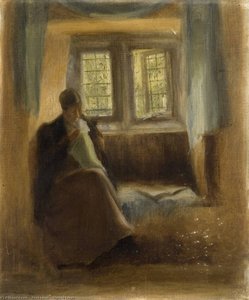
Oil painting by Rosa Lucas depicting an elderly woman’s quiet contemplation. Impressionistic style, soft light & evocative mood. Explore this serene domestic scene.
Rosa Lucas: German Renaissance painter & printmaker. Court artist to Saxony, known for portraits & Reformation art. Explore her legacy at the National Academy of San Luca.
 상세 보기
상세 보기
이 페이지에 표시된 작품은 저작권법의 보호를 받으며, 이에 따라 동일한 복제품을 제작하거나 판매하는 것은 법으로 금지되어 있습니다. 이러한 권리 보호는 다음과 같은 국제 협약에 따라 시행됩니다. 베른 협약 또한 다음에서 명시하는 법률을 포함한 국내법에 의해 보호됩니다. 미국 저작권법 제17조.
저희는 존중을 담은 합법적인 대안으로서, 원작에서 영감을 받은 맞춤형 수제 유화 작품을 제공합니다. 저희의 숙련된 전문 화가들은 원작의 스타일, 분위기, 예술적 정수를 면밀히 연구하여, 그 자체로 독창적인 창작물이면서도 원작과 동일한 감동을 불러일으키는 새로운 작품을 만들어냅니다.
이 방식은 저작권 보호를 받는 예술 작품을 복제하거나 그대로 재현하는 것이 아니기에 저작권 규정을 완벽히 준수합니다. 대신, 이는 창의적인 재해석의 과정을 거칩니다. 즉, 원작에서 영감을 받되 원작과 동일하지 않은 새로운 회화 작품을 의미합니다.
핸드메이드 유화 복제화
작가가 직접 캔버스에 손으로 그린 유화 작품으로, 원하는 크기와 액자로 맞춤 제작해 드립니다. ( 프린트 판매로 전환 디지털 이미지 판매 채널로 전환)




































표준 규격
맞춤 제작
CM
INCH
작품의 원본 비율을 그대로 유지하는 프리셋 사이즈 중에서 선택해 보세요.
Loading sizes...

가로 너비
높이
액자나 벽면 크기에 맞춰 필요한 가로와 세로 길이를 입력해 주세요. 본 작품은 수작업으로 제작되므로, 요청하신 비율에 따라 작가가 그림의 가장자리를 조금 더 넓게 그리거나 일부를 조정하여 작업할 수 있습니다. 작업 시작 전, 최종 확인을 위해 디지털 목업 이미지를 보내드립니다. 이 페이지에 표시된 이미지는 실제 결과물과 다를 수 있으며, 오직 목업 이미지만이 정확한 결과물을 보여줍니다.
변경 가능한 예시: 얼굴을 고객님의 사진으로 교체, 반려동물 추가(예: 고양이를 강아지로 변경), 배경에 숨겨진 메시지 삽입, 배경 풍경 또는 요소 변경 등
주문 완료 후 TopImpressionists.com 팀에서 상세 안내를 위해 고객님께 이메일을 보내드리며, 미리보기 시안을 함께 제공해 드립니다.
주문 완료 후 TopImpressionists.com 팀에서 상세 안내를 위해 고객님께 이메일을 보내드리며, 미리보기 시안을 함께 제공해 드립니다.


 유리 옵션은 110cm 미만 크기에서만 선택 가능합니다.

Matilda Lucas
재현 매체
복제본 규격
-


총 결제 금액
₩ 365166


작가 소개
Rosa Lucas: A Renaissance of Light and Emotion
Rosa Lucas, a name perhaps less heralded than some of her contemporaries within the grand halls of 16th-century art, nevertheless carved out a significant and deeply personal space for herself as a painter and printmaker. Born in Germany during a period of immense artistic ferment – the tail end of the Northern Renaissance and the burgeoning influence of Italian Mannerism – Lucas’s work offers a unique blend of meticulous technique and intensely felt emotion. Her legacy isn't one of monumental commissions or courtly grandeur, but rather a quiet testament to her ability to capture fleeting moments of beauty, domestic tranquility, and profound human connection.
Lucas’s early life remains somewhat shrouded in the mists of historical record, though it is generally accepted that she received a solid artistic education within the workshops of prominent artists in Saxony. This training instilled in her a rigorous understanding of perspective, anatomy, and color theory – hallmarks of the Renaissance tradition. However, unlike many of her peers who diligently replicated established styles, Lucas quickly developed a distinctive approach, prioritizing emotional resonance over strict adherence to convention. Her subjects often centered on intimate scenes: portraits of women engaged in quiet contemplation, glimpses into domestic interiors bathed in soft light, and evocative depictions of everyday life.
The Court Artist of Saxony
Lucas’s career truly flourished during her tenure as a court artist for the Electorate of Saxony. This appointment, a considerable achievement for a woman in that era, afforded her access to influential patrons – including members of the ruling family and prominent nobility. Her commissions primarily consisted of portraiture, but these were not merely formal representations; they aimed to capture the inner lives and personalities of her subjects. She skillfully employed subtle gestures, expressive glances, and carefully chosen attire to convey a sense of character and mood. Her portraits frequently featured women – often members of the court or their families – rendered with remarkable sensitivity and psychological depth.
Beyond portraiture, Lucas also produced a substantial body of work in the medium of woodcut printmaking. These prints, characterized by their crisp lines and vibrant colors, served as both independent artworks and illustrations for devotional texts and illuminated manuscripts. Her prints frequently depicted religious scenes, but always with an emphasis on human emotion and experience rather than purely theological dogma. The influence of German Expressionism, a movement that would not emerge until centuries later, is subtly present in her use of color and the heightened emotional intensity of her compositions.
Technique and Style
Lucas’s artistic style can be described as a harmonious blend of Northern Renaissance realism and Italianate elegance. She possessed a remarkable command of oil paint, utilizing layering techniques to create rich textures and luminous effects. Her use of light is particularly noteworthy – she masterfully employed chiaroscuro (the contrast between light and dark) to sculpt forms, define volumes, and evoke a sense of atmosphere. Her compositions are typically balanced and harmonious, but never static; there’s always a feeling of movement or anticipation.
In her woodcuts, Lucas demonstrated an exceptional ability to render intricate detail with minimal lines. She skillfully manipulated the grain of the wood to create subtle tonal variations and achieve a remarkable sense of depth. Her prints are not simply reproductions of images; they are carefully crafted works of art in their own right.
Legacy and Influence
Despite her considerable talent, Rosa Lucas’s work has often been overshadowed by that of her male contemporaries. However, recent scholarship is beginning to recognize the unique contributions she made to the artistic landscape of 16th-century Germany. Her paintings and prints offer a valuable glimpse into the lives and experiences of women during this period – a perspective that is often missing from traditional art historical narratives.
Her work continues to be exhibited in museums across Europe, and her paintings are highly sought after by collectors. Rosa Lucas’s legacy lies not only in her artistic achievements but also in her quiet determination to forge a path for herself as an artist in a world dominated by men. She stands as a testament to the enduring power of individual creativity and the importance of recognizing the contributions of all artists, regardless of gender or social status.
Notable Works
- Dining Room at Stanegarth, Cumbria: A captivating impressionistic oil painting capturing a cozy, atmospheric interior.
- Hitchin Market: An evocative watercolor depicting a bustling European market scene.
- Matilda Lucas: Oil painting by Rosa Lucas depicting an elderly woman’s quiet contemplation.
Further Exploration
For more information about Rosa Lucas, we recommend visiting the National Academy of San Luca in Rome, where her work is prominently displayed. The museum's collection offers a comprehensive overview of her artistic career and provides valuable context for understanding her place within the broader history of art.
작가 정보 요약
- Artistic Movement Or Style: Renaissance Painting
- Artists Or Movements Influenced By This Artist: ['Italian Renaissance']
- Artists Who Influenced This Artist: ['Lucas Cranach Elder']
- Full Name: Rosa Lucas
- Nationality: German
- Notable Artworks:
- Dining Room at Stanegarth
- Hitchin Market
- Matilda Lucas
- Place Of Birth: WahooArt
관련 기사

Painting with Light: How Impressionist Masterpieces Transform Your Home's Mood
Discover how Impressionist masterpieces transform your home's mood. Explore the luminous beauty of Monet and Renoir through our exquisite, hand-painted oil reproductions designed to bring light, warmth, and timeless elegance to your living space.

The Timeless Charm of Oil on Board: Reimagining Texture and Light through the Impressionist Lens
Discover the profound intimacy of oil on panel. Explore how Impressionist masters used rigid supports to capture light, texture, and impasto depth through exquisite, handmade oil reproductions for discerning collectors.

The Soul of Impressionism: Why Oil on Canvas Captures Eternal Light and Timeless Emotion
Discover the enchanting alchemy of Impressionism. Explore how the mastery of oil on canvas, through glazing and impasto, captures eternal light and emotion. Perfect for lovers of Monet and Van Gogh seeking the profound depth of hand-painted fine art.

The Timeless Beauty of Oil on Panel: Capturing Light and Texture through the Impressionist Lens
Discover the exquisite depth of oil on panel. Explore how Impressionist masters captured light and texture through tactile brushwork, and learn how to bring these museum-quality, hand-painted masterpieces into your home with expert curation.

From Fleeting Moments to Eternal Masterpieces: Transform Your Memories into Bespoke Impressionist Oil Paintings
Elevate your cherished memories with TopImpressionists.com. We transform your photos into exquisite, hand-painted Impressionist oil masterpieces. Experience the timeless texture of real brushstrokes and professional artistry to create a lasting legacy for your home.