


 실제 크기로 보기
 보내기
보내기 공유하기
공유하기
 상세 보기
상세 보기 가이드 보기

 이미지 다운로드
 유사 작품 더 보기
 X-레이
X-레이 슬라이드 쇼 보기
 Q&A
Q&A 통계 정보
통계 정보Draupadi’s Vow


Featuring striking textured red hair and unconventional materials, Sheela Gowda’s 1997 masterpiece Draupadi’s Vow offers a profound exploration of ritual and labor that invites you to experience its unique depth.
 상세 보기
상세 보기
A pioneer of process-oriented installation art, Sheela Gowda uses unconventional materials to explore labor and myth in iconic works like Draupadi’s Vow, inviting you to discover the profound textures of her practice.
이 페이지에 표시된 작품은 저작권법의 보호를 받으며, 이에 따라 동일한 복제품을 제작하거나 판매하는 것은 법으로 금지되어 있습니다. 이러한 권리 보호는 다음과 같은 국제 협약에 따라 시행됩니다. 베른 협약 또한 다음에서 명시하는 법률을 포함한 국내법에 의해 보호됩니다. 미국 저작권법 제17조.
이 방식은 저작권 보호를 받는 예술 작품을 복제하거나 그대로 재현하는 것이 아니기에 저작권 규정을 완벽히 준수합니다. 대신, 이는 창의적인 재해석의 과정을 거칩니다. 즉, 원작에서 영감을 받되 원작과 동일하지 않은 새로운 회화 작품을 의미합니다.
지클레 / 아트 프린트
빠른 제작과 다양한 마감 옵션을 선택할 수 있는 박물관 수준의 지클레이 및 캔버스 프린트. ( 수작업 채색 복제본 주문하기 디지털 이미지 판매 채널로 전환)




































표준 규격
맞춤 제작
CM
INCH
작품의 원본 비율을 그대로 유지하는 프리셋 사이즈 중에서 선택해 보세요.
Loading sizes...

가로 너비
높이
액자나 벽면 크기에 맞춰 필요한 가로와 세로 길이를 입력해 주세요. 프린트는 원본 이미지보다 크게 제작할 수 없으며 오직 자르는 것만 가능하므로, 비율이 다른 사이즈를 선택할 경우 이미지의 일부가 잘려 나갈 수 있습니다. 인쇄 작업에 들어가기 전, 최종 확인을 위해 디지털 목업을 보내드립니다. 이 페이지에 표시된 이미지는 실제 잘리는 영역을 나타내지 않으며, 오직 목업을 통해서만 정확한 확인이 가능합니다.


 유리 옵션은 110cm 미만 크기에서만 선택 가능합니다.

Draupadi’s Vow
지클레 / 아트 프린트
복제본 규격
-


총 결제 금액
₩ 93398
A Tapestry of Defiance and Memory
In the evocative masterpiece Draupadi’s Vow, created in 1997, artist Sheela Gowda invites the viewer into a visceral encounter with texture, myth, and the weight of history. At first glance, the work presents a striking, almost tactile intimacy; the eye is immediately drawn to the vibrant, crimson-hued strands that cascade like a torrent of blood or raw silk across the composition. This use of stringy, unconventional materials creates an undulating surface that blurs the line between sculpture and painting, challenging the traditional boundaries of medium. The piece does not merely depict a subject; it embodies a physical presence, where the tactile nature of the fibers serves as a metaphor for the interconnectedness of memory and the enduring strength of the human spirit.
The artwork draws its profound emotional resonance from the epic narratives of Indian mythology, specifically the indomitable spirit of Draupadi. In the classical tale, her vow is one of fierce retribution and unyielding dignity in the face of humiliation. Gowda translates this ancient, epic scale into a contemporary, abstract language. The red hair, textured and almost organic in its appearance, acts as a powerful symbol of both vitality and the scars of struggle. As the viewer gazive closer, the interplay between the realistic textures of the fibers and the more nebulous, shadowy figures in the background creates a sense of depth that is both haunting and deeply contemplative. It is a work that demands a slow, meditative gaze, rewarding those who look past the surface to find the layers of narrative woven into its very fabric.
Materiality as Metaphor
Sheela Gowda’s practice is renowned for its process-oriented approach, where the choice of material is inseparable from the meaning of the work. In Draupadi’s Vow, the use of thread-like elements reflects her fascination with labor, ritual, and the domestic spheres of Indian life. By utilizing materials that evoke the sensation of hair or raw textile, she bridges the gap between the personal and the political. The way the red strands dominate the visual field suggests a rupture—a moment of intense emotion breaking through the stillness of history. For the collector or interior designer, this piece offers more than mere decoration; it provides a sophisticated focal point that brings a sense of intellectual depth and textural richness to any curated space.
The composition’s balance between abstraction and figuration allows the work to function beautifully within modern environments, where its bold color palette can serve as a dramatic accent or a subtle, thought-provoking element. The piece captures a unique tension: it is simultaneously grounded in the physical reality of its materials and elevated by the ethereal weight of its mythological subject matter. To possess a reproduction of this work is to hold a fragment of a larger, ongoing dialogue about identity, resilience, and the transformative power of art.
질의응답
"Draupadi’s Vow"은(는) 어떤 공간에서 어떤 용도로 활용하기에 좋을까요?
Sheela Gowda의 "Draupadi’s Vow"은(는) Conversation(을)를 위해 추천되며, Living Room에 배치하기에 가장 이상적입니다. 용도와 공간 정보를 함께 참고하여 작품의 위치를 결정해 보세요.
Sheela Gowda의 "Draupadi’s Vow"의 저작권으로 복제가 가능한가요?
Devi Art Foundation에 소장된 Sheela Gowda의 "Draupadi’s Vow"은(는) 여전히 저작권의 보호를 받고 있습니다 상태입니다. 이 상태에 따라 해당 이미지의 복제 가능 여부가 결정됩니다.
Sheela Gowda의 "Draupadi’s Vow"의 색채는 어떤 감정을 불러일으키나요?
Sheela Gowda의 "Draupadi’s Vow"은(는) Earthy 색조의 팔레트와 Dramatic 분위기가 조화를 이룹니다.
작가 소개
The Tactile Narratives of Sheela Gowda
Born in Bhadravati, India, Sheela Gowda has emerged as a profound voice in contemporary art, weaving together the threads of personal memory, social reality, and ancient myth. Her journey began amidst the diverse landscapes of both rural and urban India, shaped significantly by her father’s passion for documenting folk music and collecting cultural artifacts. This early exposure to the textures of tradition provided a fertile ground for an artistic practice that would eventually transcend the boundaries of traditional media. After honing her skills at the Ken School of Art in Bangalore and studying under the esteemed Professor K. G. Subramanyan in Baroda, Gowda further expanded her academic horizons with studies at Visva-Bharati University in Santiniketan and the Royal College of Art in London.
While her early career was rooted in the medium of painting—characterized by pensive figures and an expressionistic exploration of middle-class tensions—the 1990s marked a pivotal transformation in her creative evolution. In response to the rapid economic shifts and political unease within India, Gowda moved away from the two-dimensional plane toward three-dimensional installations and sculptures. This shift was driven by a need for subtler, more visceral means to communicate complex reactions to the world around her. She sought materials that could carry the weight of history and the lived experiences of those on the margins, leading to a practice often described as process-oriented.
Materiality and the Language of Labor
The true essence of Gowda’s work lies in her masterful use of unconventional, humble materials that bridge the gap between domestic ritual and monumental storytelling. She possesses a unique ability to transform everyday substances into powerful metaphors for human struggle and resilience. Her installations often utilize elements such as:
- Yarn and Thread: Used to create undulating, organic surfaces that evoke both the intimacy of domestic labor and the epic scale of Indian mythology.
- Incense and Kumkuma: Materials that draw a direct line to the ritualistic practices of India and the industrial labor processes of the incense industry.
- Raw Fibers: Elements that mimic the fluidity of hair or blood, adding a visceral, tactile dimension to her compositions.
In works such as Draupadi’s Vow, the use of vibrant red threads serves as a hauntingly beautiful conduit for memory and defiance. By employing materials associated with the everyday labor of marginalized people, Gowda highlights the intersections of gender, class, and identity. Her art does not merely depict a subject; it embodies a physical presence where the very texture of the medium reflects the scars of struggle and the enduring strength of the human spirit.
Legacy and Global Recognition
Gowda’s contribution to contemporary art is marked by her ability to create apocalyptic landscapes that are simultaneously deeply intimate. Her work resonates with a sense of postminimalism, drawing from ritualistic associations to explore how we perceive the world through layers of tradition and modernity. This profound engagement with both the local and the universal has earned her significant international acclaim, including being named a recipient of the 2019 Maria Lassnig Prize.
Her impactful installations are now held in some of the most prestigious institutions in the world, ensuring that her exploration of labor, ritual, and identity continues to provoke thought across borders. Notable collections featuring her work include:
- Tate, London
- Solomon R. Guggenheim Museum, USA
- Walker Art Centre, Minneapolis, USA
Through her meticulous and process-driven approach, Sheela Gowda remains a vital figure in the global art dialogue, reminding viewers that the most profound truths are often woven into the very fabric of our daily existence.

Sheela Gowda
1957 - , India
작가 정보 요약
- Artistic Movement Or Style: Postminimalism and process-oriented
- Artists Who Influenced This Artist:
- K. G. Subramanyan
- Nalini Malani
- Full Name: Sheela Gowda
- Nationality: Indian
- Notable Artworks: ['Draupadi’s Vow']
- Place Of Birth: Bhavanagar, India
- Date Of Birth: 1957
관련 기사

The Tactile Soul of Impressionism: Elevating Interiors with the Depth of Impasto and Plaster Art
Discover the sensory beauty of Impressionist texture. Learn how impasto brushstrokes and plaster art bring depth and light to your home with museum-quality, hand-painted reproductions from TopImpressionists.com.
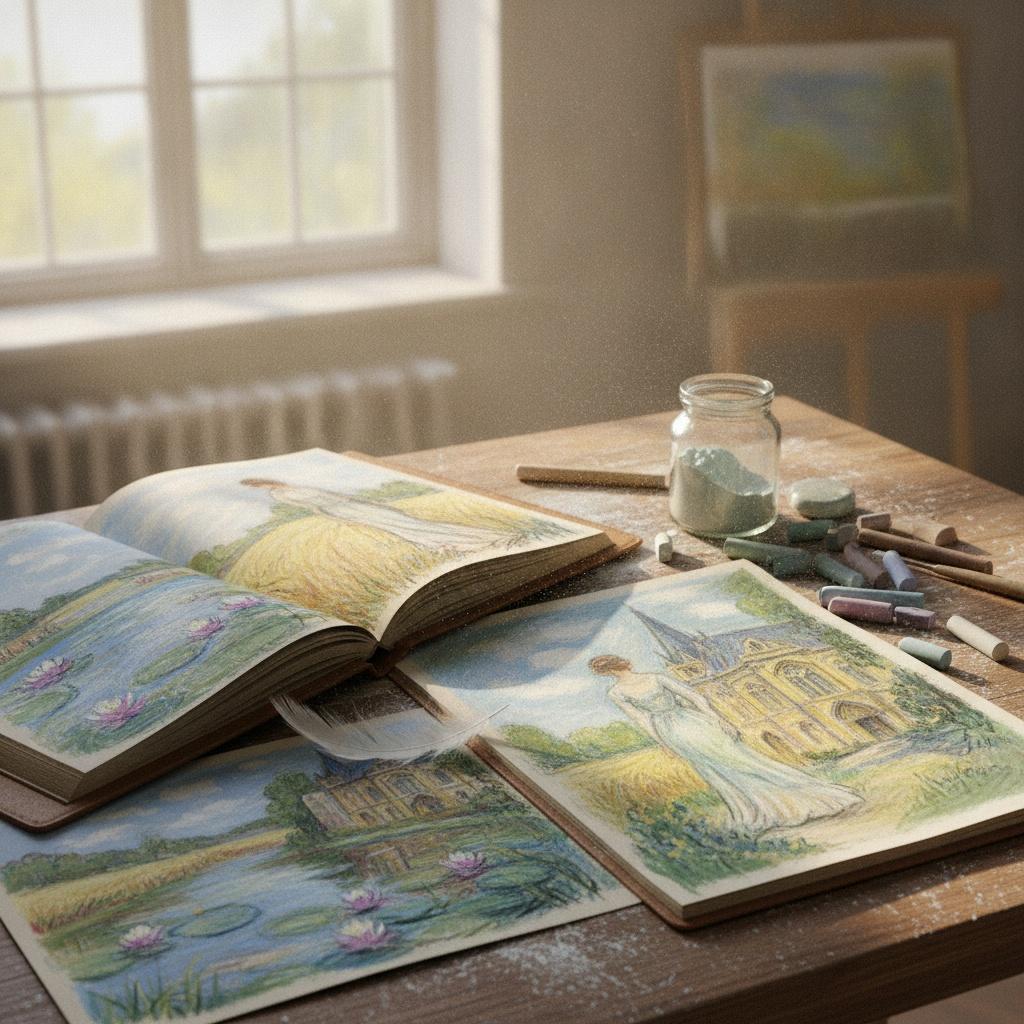
The Soft Magic of Chalk: Capturing Light, Texture, and the Ethereal Soul of Impressionist Masterpieces
Discover the ethereal beauty of pastel and chalk art. Explore how Impressionist masters like Van Gogh and Degas captured light and texture to create timeless, soulful masterpieces for the discerning collector.