

 실제 크기로 보기
 보내기
보내기 공유하기
공유하기
 상세 보기
상세 보기 가이드 보기

 이미지 다운로드
 유사 작품 더 보기
 X-레이
X-레이 슬라이드 쇼 보기
 통계 정보
통계 정보Bacchanale


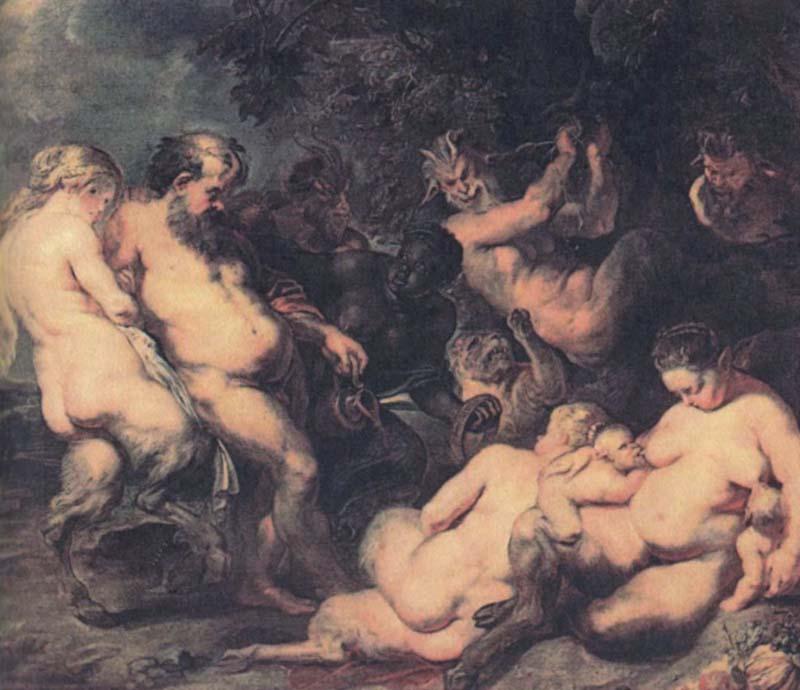
Experience the raw energy of Rubens' "Bacchanale"! This Baroque masterpiece captures a wild celebration with nude figures, vibrant colors, and dynamic movement – a captivating glimpse into 17th-century ecstasy.
 상세 보기
상세 보기
피터 폴 루베르스는 바로크 미술의 거장으로 역동적인 구도와 화려한 색채를 사용하여 인류애와 신성함을 표현했습니다. 크로스와 영혼의 침묵 등 대표작은 플랑드르 회화의 정수를 담고 있으며 예술가들의 영감을 불어넣는 작품입니다.
핸드메이드 유화 복제화
작가가 직접 캔버스에 손으로 그린 유화 작품으로, 원하는 크기와 액자로 맞춤 제작해 드립니다. ( 프린트 판매로 전환 디지털 이미지 판매 채널로 전환)




P118B ₩10

P118H ₩10

P118W ₩10

P438Z ₩10

P508JH ₩12

P508YH ₩12

P805H ₩10

P805Z ₩10

P919BZ ₩10

P919G ₩10

P919XJ ₩10

P959ZH ₩10

P968JZ ₩12

W106C ₩8

W218G ₩10

W218JH ₩8

W218Y ₩10

W307PJ ₩10

W316G ₩10

W316PJ ₩8

W316Y ₩10

W398PJ ₩8

W4111J ₩10

W500HY ₩15

W500JH ₩15

W692G ₩12

W849H ₩8

W940BG ₩15

W953PJ ₩8




표준 규격
맞춤 제작
CM
INCH
작품의 원본 비율을 그대로 유지하는 프리셋 사이즈 중에서 선택해 보세요.
Loading sizes...

가로 너비
높이
액자나 벽면 크기에 맞춰 필요한 가로와 세로 길이를 입력해 주세요. 본 작품은 수작업으로 제작되므로, 요청하신 비율에 따라 작가가 그림의 가장자리를 조금 더 넓게 그리거나 일부를 조정하여 작업할 수 있습니다. 작업 시작 전, 최종 확인을 위해 디지털 목업 이미지를 보내드립니다. 이 페이지에 표시된 이미지는 실제 결과물과 다를 수 있으며, 오직 목업 이미지만이 정확한 결과물을 보여줍니다.
변경 가능한 예시: 얼굴을 고객님의 사진으로 교체, 반려동물 추가(예: 고양이를 강아지로 변경), 배경에 숨겨진 메시지 삽입, 배경 풍경 또는 요소 변경 등
주문 완료 후 TopImpressionists.com 팀에서 상세 안내를 위해 고객님께 이메일을 보내드리며, 미리보기 시안을 함께 제공해 드립니다.
주문 완료 후 TopImpressionists.com 팀에서 상세 안내를 위해 고객님께 이메일을 보내드리며, 미리보기 시안을 함께 제공해 드립니다.


 유리 옵션은 110cm 미만 크기에서만 선택 가능합니다.

Bacchanale
재현 매체
복제본 규격
-


총 결제 금액
₩ 367123
The Frenzied Dance of Divinity: Peter Paul Rubens’s “Bacchanale”
Peter Paul Rubens' "Bacchanale," painted around 1615, isn’t merely a depiction of revelry; it’s a visceral embodiment of the Baroque spirit—a tempestuous collision of classical mythology, raw emotion, and dynamic movement. This monumental oil on canvas transports us to a moonlit forest, teeming with figures caught in an ecstatic dance before Bacchus, the god of wine and fertility. The painting pulsates with life, demanding our attention and inviting us into its chaotic, intoxicating world. It’s a work that speaks not just to the eye but directly to the senses, capturing the very essence of unbridled joy and primal instinct.
Rubens, a master of color and composition, was deeply influenced by the Counter-Reformation's need for dramatic religious imagery. Yet, he skillfully blended this influence with his own exuberant style, creating works that were both profoundly spiritual and intensely sensual. “Bacchanale” exemplifies this duality perfectly. The figures, rendered in Rubens’ signature glowing palette of reds, golds, and deep blues, are not idealized heroes but deeply human—prone to lust, intoxication, and a complete abandonment of restraint. This departure from the more restrained styles of earlier periods was revolutionary, reflecting a shift towards embracing earthly pleasures within a framework of religious devotion.
A Symphony of Form and Color
Technically, “Bacchanale” is a tour de force. Rubens’s brushwork is loose and energetic, creating an immediate sense of movement and dynamism. Notice how he uses rapid, short strokes to depict the swirling fabrics and the frenzied gestures of the dancers. The figures are not meticulously rendered with anatomical precision; instead, they are captured in moments of intense emotion, their forms simplified and exaggerated to heighten the drama. The use of *chiaroscuro* – the dramatic contrast between light and dark – further emphasizes this sense of movement and adds a layer of theatricality to the scene. The lighting seems to emanate from within the figures themselves, bathing them in an otherworldly glow.
Rubens’s mastery of color is equally remarkable. He employs a vibrant, almost overwhelming palette, using rich reds and golds to represent the intoxicating effects of wine and revelry. These warm tones are juxtaposed with cooler blues and greens, creating a dynamic visual tension that mirrors the emotional turmoil of the scene. The sheer intensity of the colors contributes significantly to the painting’s overall impact, drawing the viewer into its chaotic embrace.
Mythological Roots and Symbolic Layers
The subject matter itself—the bacchanal—is steeped in classical mythology. The Bacchanalia were wild festivals held in honor of Dionysus (Bacchus), where participants indulged in wine, music, dance, and ecstatic rituals. These celebrations represented a temporary escape from the constraints of civilized society, a return to primal instincts and a celebration of life’s fleeting pleasures. In “Bacchanale,” Rubens transforms this ancient myth into a powerful allegory for human nature—a reminder of our capacity for both joy and excess.
Beyond the mythological narrative, the painting is rich in symbolic detail. The abundance of food and drink symbolizes fertility and prosperity, while the nudity of the figures represents freedom from shame and social constraints. Even the forest setting itself can be interpreted symbolically—representing a wild, untamed space where human desires are unleashed without restraint. The inclusion of satyrs and nymphs further reinforces the painting’s connection to pagan traditions, adding another layer of complexity to its meaning.
A Legacy of Baroque Grandeur
“Bacchanale” stands as one of Rubens' most celebrated works, a testament to his artistic genius and his ability to capture the spirit of the Baroque era. Its dramatic composition, vibrant colors, and powerful emotional impact continue to resonate with viewers today. Reproductions of this masterpiece offer a remarkable opportunity to experience the intensity and dynamism of Rubens’s vision—a chance to step into a world of ecstatic revelry and witness the raw beauty of human passion. It's a painting that invites contemplation, sparking questions about our own relationship to pleasure, excess, and the enduring power of myth.
질의응답
피터 폴 루베르스의 "Bacchanale"의 제작 연도는 언제인가요?
피터 폴 루베르스의 "Bacchanale"의 제작 연도는 1615년입니다.
"Bacchanale"은(는) 몇 년도에, 어떤 사조의 작품인가요?
"Bacchanale"은(는) 1615년에 Baroque dynamism 사조의 흐름 속에서 제작되었습니다.
"Bacchanale" 작품을 증강 현실(AR)로 미리 볼 수 있나요?
호환 가능한 기기에서 증강 현실(AR) 기능을 사용하면, 작품의 AR 미리보기 페이지를 통해 피터 폴 루베르스의 "Bacchanale"을(를) 고객님의 벽에 미리 배치해 볼 수 있습니다.
작가 소개
Sir Peter Paul Rubens: A Baroque Master!
Peter Paul Rubens, a name synonymous with the exuberant grandeur of Baroque art—a movement that sought to overwhelm the senses and inspire awe—stood apart from his contemporaries as both an artist and a diplomat. Born in Siegen, Germany, on June 28th, 1577, his early life was marked by upheaval; his father’s fervent Calvinist beliefs compelled him to flee Antwerp under Spanish rule, shaping Rubens's worldview with an indelible imprint of resilience and adaptability. This formative exile instilled within him a profound appreciation for liberty and independence—qualities that would permeate his artistic endeavors throughout his illustrious career. Following his father’s untimely demise in 1587, Rubens’s family returned to Antwerp, where he received a humanist education preparing him for the intellectual currents of his time. It was here that he began his artistic apprenticeship around 1590, honing foundational skills under Tobias Verhaecht and Adam van Noort—artists who championed classical ideals and established Rubens's early training in meticulous observation and technical precision.The Italian Awakening: Absorbing Renaissance Genius
A pivotal moment arrived in 1600 when Rubens embarked upon a transformative journey to Italy—a pilgrimage that irrevocably altered the trajectory of his artistic vision. For eight years, he immersed himself in the monumental masterpieces crafted by Michelangelo, Raphael, and Titian—giants whose mastery of form, color, and composition captivated him utterly. The influence of these Renaissance titans is palpable throughout Rubens’s early Italian works, characterized by idealized figures bathed in luminous light and imbued with classical grace. Yet, Rubens didn't merely emulate; he synthesized these influences with his innate talent—developing a distinctive Baroque style that transcended mere imitation. He undertook exhaustive anatomical studies, meticulously dissecting cadavers to gain an unparalleled understanding of human musculature—a practice considered radical for its time and reflecting his unwavering commitment to realism. This dedication to scientific observation informed every brushstroke, elevating Rubens’s depictions of the human form to levels of unprecedented beauty and expressive power.Antwerp: Establishing a Studio and Defining Style
Returning to Antwerp in 1608, Rubens swiftly established himself as the undisputed artistic leader of his era—receiving commissions from wealthy patrons eager to adorn their palaces with canvases that reflected the splendor of the Baroque aesthetic. He married Isabella Brandt shortly thereafter—a union marked by mutual affection and intellectual companionship—and together they raised five children, fostering a home steeped in humanist values and artistic fervor. Rubens expanded his studio dramatically, attracting numerous talented assistants who bolstered his prolific output—producing an astonishing array of altarpieces, portraits, landscapes, and history paintings that cemented his reputation as one of the greatest artists of his generation. His workshop became a crucible for innovation—experimenting with new techniques and pushing the boundaries of artistic convention. Rubens’s signature style—characterized by dynamic compositions, vibrant color palettes, and sensual depictions of the human form—became instantly recognizable throughout Europe.A Diplomatic Career Alongside Artistic Triumph
Beyond his artistic pursuits, Rubens possessed remarkable diplomatic skills—serving as envoy for Philip IV of Spain and Charles I of England—a dual role that afforded him a unique perspective on European politics and fostered connections with influential figures across the continent. He navigated treacherous political landscapes with grace and shrewdness—negotiating treaties and securing alliances that benefited his patrons and bolstered Antwerp’s position within the Habsburg realm. Rubens's commitment to humanist scholarship extended beyond artistic appreciation; he championed classical literature and philosophy, fostering a vibrant intellectual environment within his household. His erudition informed his artistic vision—inspiring him to explore themes of mythology, religion, and allegory with profound insight and sensitivity.Legacy: An Enduring Influence on Baroque Art
Rubens’s influence reverberates throughout the Baroque period—inspiring generations of artists who sought to emulate his stylistic brilliance and dramatic flair. His monumental canvases continue to captivate audiences worldwide—testaments to his unparalleled technical skill and artistic vision. Artists like Anthony van Dyck, Jacob Jordaens, and Eugène Delacroix acknowledged Rubens’s profound impact on their own creative endeavors—drawing inspiration from his dynamic compositions, luminous color palettes, and sensual depictions of the human form. Sir Peter Paul Rubens remains an undisputed icon of Baroque art—a figure whose legacy transcends time—forever enshrined as one of history's most influential painters and a champion of humanist ideals.
피터 폴 루베르스
1577 - 1640 , 독일
작가 정보 요약
- Artistic Movement Or Style: 바로크 예술
- Artists Who Influenced This Artist:
- 미켈란젤로
- 라파엘
- 티치아노
- Date Of Birth: 1577년 6월 28일
- Date Of Death: 1640년 5월 30일
- Full Name: Sir Peter Paul Rubens
- Nationality: 플란데르스인
- Notable Artworks:
- 십자가 내리는 장면
- 십자가 들어 올리는 장면
- Place Of Birth: 독일 시겐
관련 기사

Drama in Nature: The Captivating Grandeur of Baroque Landscapes and the Art of Emotional Spectacle
Explore the breathtaking drama of Baroque landscapes. From Rubens's grand vistas to the mastery of chiaroscuro, discover how 17th-century artists transformed nature into a theatrical stage of emotion and light. A deep dive for true art enthusiasts.

Drama and Light: Discover the Captivating Grandeur of Baroque Art
Immerse yourself in the dramatic splendor of Baroque art. Explore the profound impact of light, shadow, and the Counter-Reformation through an expert historical lens, celebrating the masters who defined an era of unparalleled grandeur and emotional intensity.
테마, 스타일, 특징별로 큐레이션된 작품들을 만나보세요.


