


 실제 크기로 보기
 보내기
보내기 공유하기
공유하기
 상세 보기
상세 보기 가이드 보기

 이미지 다운로드
 유사 작품 더 보기
 X-레이
X-레이 슬라이드 쇼 보기
 통계 정보
통계 정보Self-Portrait Playing the Spinet
 Oil On Canvas
- WallArt
- Renaissance Portraiture
 1556
1556- Renaissance
 57.0 x 48.0 cm
 카포디몬테 국립 박물관
This captivating self-portrait by Sofonisba Anguissola showcases her talent as a painter and embodies Renaissance ideals of virtue and intellect. Painted in 1556, it depicts the artist seated at a spinet, gazing directly at the viewer with confidence.
 상세 보기
상세 보기
소포니스바 앙귀솔라 (1532-1625): 친밀한 초상화, 인상적인 자화상 및 가족 생활의 묘사로 유명한 르네상스 화가. 사회적 장벽을 허문 선구적인 여성 예술가!
핸드메이드 유화 복제화
작가가 직접 캔버스에 손으로 그린 유화 작품으로, 원하는 크기와 액자로 맞춤 제작해 드립니다. ( 프린트 판매로 전환 디지털 이미지 판매 채널로 전환)




P118B $10

P118H $10

P118W $10

P438Z $10

P508JH $12

P508YH $12

P805H $10

P805Z $10

P919BZ $10

P919G $10

P919XJ $10

P959ZH $10

P968JZ $12

W106C $8

W218G $10

W218JH $8

W218Y $10

W307PJ $10

W316G $10

W316PJ $8

W316Y $10

W398PJ $8

W4111J $10

W500HY $15

W500JH $15

W692G $12

W849H $8

W940BG $15

W953PJ $8




표준 규격
맞춤 제작
CM
INCH
작품의 원본 비율을 그대로 유지하는 프리셋 사이즈 중에서 선택해 보세요.
Loading sizes...

가로 너비
높이
특정 프레임이나 공간에 맞춰 원하는 크기를 직접 입력하실 수 있습니다. 선택하신 크기가 원본 이미지의 비율과 일치하지 않을 경우, 작품을 자르거나 추가적인 수작업 요소를 더해 그림을 확장하여 제작합니다. 제작 시작 전, 최종 확인을 위해 디지털 목업을 보내드립니다.
화면상의 미리 보기는 실제 크롭(자르기)이나 확장된 상태를 완벽히 반영하지 않을 수 있습니다. 최종 구도는 오직 목업을 통해서만 정확하게 확인하실 수 있습니다.
맞춤 크기 제작도 가능하지만, 원본의 비율을 그대로 유지하기 위해서는 미리 정의된 목록에서 크기를 선택하시는 것을 권장합니다.
변경 가능한 예시: 얼굴을 고객님의 사진으로 교체, 반려동물 추가(예: 고양이를 강아지로 변경), 배경에 숨겨진 메시지 삽입, 배경 풍경 또는 요소 변경 등
주문 완료 후 TopImpressionists.com 팀에서 상세 안내를 위해 고객님께 이메일을 보내드리며, 미리보기 시안을 함께 제공해 드립니다.
주문 완료 후 TopImpressionists.com 팀에서 상세 안내를 위해 고객님께 이메일을 보내드리며, 미리보기 시안을 함께 제공해 드립니다.


 유리 옵션은 110cm 미만 크기에서만 선택 가능합니다.

Self-Portrait Playing the Spinet
재현 매체
복제본 규격
-


총 결제 금액
$ 269
A Renaissance Encounter: The Soul Behind the Spinet
In the quiet intimacy of her 1556 self-portrait, Sofonisba Anguissola invites us into a moment of profound personal reflection. This is not merely a depiction of an artist at work; it is a masterful window into the Renaissance spirit of humanist inquiry and individual agency. As we gaze upon the figure seated at her spinet, we are met with a directness that is both startling and serene. The composition, anchored by the delicate keyboard instrument, establishes a bridge between the sixteenth century and the modern viewer, creating an emotional resonance that transcends time. For the collector or the lover of fine art, this piece offers more than just aesthetic beauty; it provides a narrative of resilience and intellectual depth.
The artistry on display is a testament to Anguissola’s technical virtuosity. Utilizing the classic oil on canvas medium, she employs the sophisticated technique of glazing—applying translucent layers of pigment to build a luminous, skin-like glow that seems to radiate from within. The play of light is particularly captivating, focusing intently on her face and hands, which draws our attention to the very tools of her expression and intellect. While the background remains shrouded in soft, dark shadows, the meticulous detail of the spinet’s structure provides a grounding, geometric contrast to the organic, flowing lines of her attire. This careful balance of light and shadow, or chiaroscuro, lends the portrait a three-dimensional presence that makes it a commanding focal point for any curated space.
Symbolism and the Spirit of Ambition
Beyond the surface level of a beautiful portrait lies a rich tapestry of symbolic meaning. The spinet, an instrument synonymous with aristocratic refinement and musical mastery, serves as a metaphor for the artist's own cultivated talents. In the Renaissance era, music was viewed as a noble pursuit that mirrored the harmony of the spheres; by depicting herself in this act, Anguissola asserts her place within the intellectual elite. Her gaze, steady and self-assured, speaks volumes about her determination to navigate a world where female artists faced immense societal barriers. There is an undeniable sense of dignity in her posture, a quiet confidence that suggests she is not just playing music, but composing her own destiny.
For those looking to integrate such a piece into a sophisticated interior, the artwork offers a versatile elegance. Its earthy palette of deep browns, blacks, and warm skin tones allows it to harmonize beautifully with both classical and contemporary decor. Whether placed in a study to inspire contemplation or in a grand living area to serve as a conversation piece, this reproduction captures the essence of a pioneer. It is an invitation to celebrate the intersection of creativity, intellect, and the enduring power of the human spirit.
작가 소개
르네상스의 빛: 소포니스바 앙귀솔라의 삶과 예술
소포니스바 앙귀솔라는 16세기 이탈리아의 역동적인 예술적 풍경 속에서 진정한 선구자로 등장하여, 사회적 관습에 도전하고 르네상스 시대 가장 찬란하게 빛나는 여성 화가 중 한 명으로 자리매김했습니다. 1532년경 크레모나에서 아밀카레 앙귀솔라와 비앙카 폰조니 사이에서 태어난 그녀는 당대 여성으로서는 이례적일 만큼 진보적인 양육 환경의 혜택을 받았습니다. 그녀의 아버지는 소포니스바, 엘레나, 루치아, 에우로파 등 딸들이 지닌 탁월한 예술적 재능을 알아보고, 라틴어와 음악, 그리고 무엇보다 중요한 드로잉을 포함한 인문주의 교육을 제공함으로써 당시의 관습을 거슬렀습니다. 자녀들의 지적, 창의적 발전에 대한 이러한 헌신은 혁명적이었으며, 소포니스바가 위대한 경력을 쌓을 수 있는 토대가 되었습니다. 앙귀솔라 가문은 귀족이었으나 부유하지는 않았습니다. 아밀카레는 딸들의 재능을 사회적 신분 상승과 개인적 성취의 수단으로 육성하고자 했으며, 이러한 급진적인 생각은 향후 수 세대에 걸쳐 여성 예술가들에게 새로운 기회의 문을 여는 계기가 되로었습니다. 1546년, 소포니스바와 엘레나는 지역의 존경받는 화가 베르나르디노 캄피 밑에서 정식 교육을 받기 시작했고, 이어 1550년경에는 베르나르디노 가티(일 사자로)를 통해 수학했습니다. 이러한 도제 과정 그 자체로도 매우 획기적이었으며, 예술적 숙련도를 갈망하던 여성들에게 이전에는 닫혀 있던 문을 열어주었습니다.친밀함과 혁신: 예술적 목소리의 형성
앙귀적솔라의 초기 작품은 놀라운 친밀감과 심리적 깊이를 특징으로 하며, 이는 특히 가족 초상화에서 극명하게 드러납니다. 그녀의 작업은 단순히 외형을 닮게 그리는 연습에 그치지 않았습니다. 그것은 인물의 성격과 가족 관계를 통찰력 있게 탐구하는 과정이었습니다. 예를 들어 “체스를 두는 화가의 자매들”(1555년경)과 같은 작품은 미묘한 표정과 몸짓을 통해 꾸밈없는 상호작용의 순간을 포착해낸 거장다운 면모를 보여줍니다. 구도는 당시 초상화에서 흔히 발견되는 딱딱한 격식을 탈피하여 놀라울 정도로 자연스럽습니다. 그녀의 화풍은 초기에는 롬바르드 매너리즘의 영향을 받았으나, 스페인에서의 시간을 거치며 궁정 초상화의 요구에 부합하는 더욱 정교하고 세련된 방식으로 진화했습니다. 그녀는 섬세한 채색으로 사실적인 특징을 묘사하고, 섬세한 붓놀림을 통해 감정을 전달하는 탁월한 재능을 지니고 있었습니다. 자화상은 그녀의 경력 전반에 걸쳐 반복되는 주제가 되었는데, 이는 단순히 기술을 과시하기 위함이 아니라 남성 중심적인 세상에서 여성 예술가로서 자신의 정체성을 강력하게 주장하는 수단이었습니다. 특히 “이젤 앞의 자화상”(1556)은 매우 상징적인 작품으로, 작업에 몰두하고 있는 소포니스바의 자신감 넘치는 모습을 통해 관람객들에게 그녀의 예술적 권위를 인정하도록 도전합니다.궁정의 부름: 스페인에서의 삶과 예술
1559년, 앙귀솔라의 인생에 결정적인 순간이 찾아왔습니다. 펠리페 2세의 왕비인 엘리자베스 데 발루아로부터 스페인 궁정으로 초대받은 것입니다. 이 초대는 단순한 고용 제안을 넘어, 그녀의 독보적인 재능에 대한 인정이자 왕비 자신의 예술적 취향이 반영된 결과였습니다. 소포니스바는 시녀이자 회화 교사로 봉직하며 공식 궁정 화가라는 직위를 얻었습니다. 이는 당시 여성으로서는 거의 불가능에 가까운 일이었습니다. 그녀는 왕실 가족과 스페인 귀족들의 초상화를 제작하며, 인물의 성격에 대한 섬세한 감수성을 유지하면서도 궁정 초상화의 격식 있는 요구 사항을 충족시키기 위해 자신의 화풍을 적응시켜 나갔습니다. 궁정 내에서의 그녀의 존재감은 상당했습니다. 그녀는 단순히 여성 예술가로서 용인되는 수준을 넘어, 그녀의 기술과 동료애를 통해 적극적으로 가치를 인정받았습니다. 1568년 엘리자베스 왕비가 갑작스럽게 세상을 떠진 후, 펠리페 2세는 소포니스바가 시칠리아 귀족인 파브리지오 몬카다와 결혼할 수 있도록 도와주어 그녀가 귀족의 지위를 유지하면서도 계속해서 그림을 그릴 수 있게 배려했습니다. 이러한 조치는 그녀의 예술성에 대한 국왕의 존중과 그녀의 안녕을 보장하고자 하는 의지를 보여줍니다. 이후 그녀는 몬카다 사후 재혼하였으며, 평생에 걸쳐 끊임없이 붓을 놓지 않았습니다.선구자의 유산: 영향력과 역사적 의의
소포니스바 앙귀솔라의 업적은 스페인 궁정이라는 울타리를 훨씬 넘어 확장되었습니다. 그녀의 작업은 기존의 예술적 규범에 도전했으며, 미래 세대의 여성 예술가들을 위한 길을 닦았습니다. 그녀는 여성이 예술 분야에서 탁월한 성취를 이룰 수 있을 뿐만 아니라 국제적인 명성과 후원을 얻을 수 있음을 몸소 증명했습니다. 그녀의 영향력은 장벽을 허물고 사회적 기대를 뒤흔들며 그녀의 전례를 따른 후대 여성 화가들의 작품 속에서도 발견할 수 있습니다. 앙귀솔라에게 주요한 영향을 미친 것은 베르나르디노 캄피와 베르나르디노 가티의 작품을 비롯한 롬바르드 학파의 회화였으나, 그녀는 궁극적으로 사실주의, 친밀함, 그리고 심리적 통찰력이 특징인 자신만의 독창적인 화풍을 구축해냈습니다. 그녀의 자화상들은 오늘날까지도 여성 예술가의 주체성을 상징하는 강력한 아이콘으로 남아 예술가와 학자들에게 영감을 주고 있습니다.영원히 기억될 이름
오늘날 소포니스바 앙귀솔라는 르네상스에서 가장 중요한 인물 중 한 명으로 정당하게 평가받고 있습니다. 그녀의 작품은 마드리드의 프라도 미술관, 피렌체의 우피치 미술관, 보스턴의 이사벨라 스튜어트 가드너 미술관을 포함하여 전 세계 유수의 컬렉션에 소장되어 있습니다. 그녀의 이야기는 사회적 경계를 초월하는 예술의 힘과, 기대에 맞서 자신의 열정을 쫓았던 한 여성의 영원한 유산을 우리에게 상기시키며 끊임없이 관객들의 마음을 울리고 있습니다. 인물의 외형뿐만 아니라 내면의 삶까지 포착해내는 그녀의 능력 덕분에, 그녀의 작품은 창작된 지 수 세기가 지난 지금도 여전히 매혹적이며 생생한 생명력을 유지하고 있습니다.- 그녀의 작품은 보스턴(이사벨라 스태워트 가드너 미술관), 밀워키(밀워키 미술관), 베르가모, 브레시아, 부다페스트, 마드리드(프라도 미술관), 나폴리, 시에나 등에서 만나볼 수 있습니다.
- 조르조 바사리는 그녀의 드로잉 능력과 채색 기술, 자연을 관찰하여 그리는 능력, 탁월한 모사 능력, 그리고 아름다운 회화를 만들어내는 재능을 극찬했습니다.

소포니스바 앙귀솔라
1532 - 1625 , 이탈리아
작가 정보 요약
- Artistic Movement Or Style: 르네상스, 매너리즘
- Artists Or Movements Influenced By This Artist: ['여성 르네상스 예술가들']
- Artists Who Influenced This Artist:
- 베르나르디노 캄피
- 베르나르디노 가티
- Date Of Birth: c. 1532
- Date Of Death: 1625
- Full Name: 소포니스바 앙귀솔라
- Nationality: 이탈리아
- Notable Artworks:
- 이젤 앞의 자화상
- 앙귀솔라 가족 초상화
- 미네르바 앙귀솔라 초상화
- Place Of Birth: 이탈리아 크레모나
관련 기사

The Grandeur of Baroque Portraiture: Power, Emotion & Artistic Innovation
Explore the grandeur of Baroque portraiture! Discover Rubens, Van Dyck & the masters of 17th-century art. Uncover symbolism, techniques & lasting influence. Expert insights for collectors and enthusiasts.

바로크의 드라마: 현대 인테리어에 풍요로움과 감동을 불어넣기
바로크 예술의 풍요로운 세계를 탐험하고, 현대 인테리어에 감동을 불어넣는 방법을 TopImpressionists에서 만나보세요. 카라바조, 렘브란트 등 거장들의 작품과 키아로스쿠로 기법 활용 노하우를 공개합니다.

Reflecting the Self: A History of Portraiture & Psychological Insight
Explore the fascinating history of self-portraiture from Renaissance masters like Dürer & Rembrandt to modern interpretations. Discover the psychological insights and artistic techniques behind these iconic works. Expert analysis for art enthusiasts.

The Inner Landscape: Exploring Themes of Introspection in Visual Art Across Movements & Eras
Explore the captivating world of introspective art! Discover how artists across eras – from Rembrandt to Kahlo – used self-portraiture to reveal their inner worlds and emotional depths. A journey through art history & psychology.
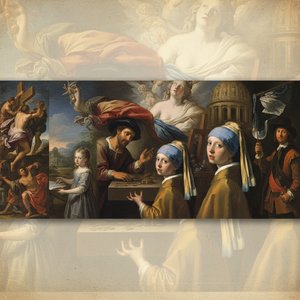
화려함 속에 감춰진 진실! 바로크 미술을 정의한 10대 걸작 탐구
화려함과 극적인 표현이 압권! 바로크 미술을 대표하는 10대 걸작의 숨겨진 이야기를 만나보세요. 베르니니, 루벤스 등 거장의 작품부터 바로크 색감, 예술적 기법까지 – TopImpressionists.com에서 명품 복제 & 인테리어 영감을 얻으세요! 지금 바로 컬렉션을 탐험해보세요.