

 미리보기
미리보기
 공유하기
공유하기 공유하기
공유하기
 상세 정보
상세 정보 가이드 보기

 다운로드
다운로드
 유사 작품 더 보기
 X-레이
X-레이 슬라이드 쇼 보기
 질의응답
질의응답 통계 정보
통계 정보The Flooded Meadow

- 31.0 x 40.0 cm


Discover "The Flooded Meadow" by Stanley Ernest Dollimore – an impressionistic landscape painting of serene beauty. Explore its rich colors, textured brushstrokes & nostalgic charm. Perfect for art lovers!
Discover Stanley Ernest Dollimore’s serene landscapes & historical scenes! Explore his academic style paintings of rural France via artworks & museum collections.
 더 보기
더 보기
이 페이지에 표시된 작품은 저작권법의 보호를 받으며, 이에 따라 동일한 복제품을 제작하거나 판매하는 것은 법으로 금지되어 있습니다. 이러한 권리 보호는 다음과 같은 국제 협약에 따라 시행됩니다. 베른 협약 또한 다음에서 명시하는 법률을 포함한 국내법에 의해 보호됩니다. 미국 저작권법 제17조.
이 방식은 저작권 보호를 받는 예술 작품을 복제하거나 그대로 재현하는 것이 아니기에 저작권 규정을 완벽히 준수합니다. 대신, 이는 창의적인 재해석의 과정을 거칩니다. 즉, 원작에서 영감을 받되 원작과 동일하지 않은 새로운 회화 작품을 의미합니다.
지클레 / 아트 프린트
빠른 제작과 다양한 마감 옵션을 제공하는 박물관 수준의 지클레이 및 캔버스 프린트. ( 수작업 채색 복제본 주문하기 디지털 이미지로 전환)




































표준 규격
맞춤형
CM
INCH
작품의 원본 비율을 그대로 유지하는 프리셋 사이즈 중에서 선택해 보세요.
Loading sizes...

가로 너비
세로 길이
액자나 벽면 크기에 맞춰 필요한 가로와 세로 길이를 입력해 주세요. 프린트는 원본 이미지보다 크게 제작할 수 없으며 오직 자르는 것만 가능하므로, 비율이 다른 사이즈를 선택할 경우 이미지의 일부가 잘려 나갈 수 있습니다. 인쇄 작업에 들어가기 전, 최종 확인을 위해 디지털 목업을 보내드립니다. 이 페이지에 표시된 이미지는 실제 잘리는 영역을 나타내지 않으며, 오직 목업을 통해서만 정확한 확인이 가능합니다.


 유리 옵션은 110cm 미만 크기에서만 선택 가능합니다.

The Flooded Meadow
지클레 / 아트 프린트
복제본 크기
-


최종 결제 금액
₩ 93964
유사한 작품들


작가 정보
A Quiet Observer of Rural France: The Life and Legacy of Stanley Ernest Dollimore
In the tapestry of twentieth-century landscape painting, few threads possess the gentle, luminous quality found in the works of Stanley Ernest Dollimore. Born in 1915 in the historic market town of Knaresborough, North Yorkshire, Dollimore developed a vision that would eventually transcend the rugged landscapes of his British upbringing to find its true soul within the sun-drenched, pastoral expanses of the French countryside. His life was a dedicated pursuit of tranquility, a lifelong endeavor to capture the fleeting moments of stillness that define the rural idyll. Through his disciplined training and sensitive eye, he became more than just a painter; he became a chronicler of peace, documenting a way of life that felt both timeless and profoundly nostalgic.
The foundation of Dollimore’s technical mastery was laid at the Leeds School of Art, where he immersed himself in the rigorous traditions of classical composition and anatomical precision. This formal education instilled in him a profound respect for the principles of Academic painting—a style that demands meticulous observation and a deep understanding of tonal harmony. While his contemporaries might have leaned into the fractured light and aggressive energy of pure Impressionism, Dollimore chose a more contemplative path. He sought to marry the atmospheric sensitivity of the Impressionist movement with the structural integrity of the Academy, creating works where every blade of grass and every architectural detail in a distant village felt anchored in reality, yet bathed in an ethereal, dreamlike light.
The Artistry of Light and Landscape
To wander through Dollimore’s oeuvre is to experience the changing moods of the seasons across the European landscape. His mastery of both watercolor and oil paints allowed him to navigate a vast emotional spectrum, from the delicate, translucent washes used to depict morning mists to the rich, textured impasto required for a sun-baked summer meadow. His recurring motifs—churches standing as silent sentinels over valleys, farmsteads nestled against rolling hills, and winding paths that invite the viewer into the frame—serve as windows into a world of pastoral serenity. There is a deliberate softness to his color palettes, often utilizing muted tones and subtle gradations that evoke a sense of quiet nostalgia, as if viewing the world through the hazy lens of a cherished memory.
His technical approach was characterized by a unique balance of precision and atmosphere:
- Tonal Harmony: A sophisticated use of light and shadow to create depth and a sense of physical presence within the landscape.
- Textured Brushwork: The use of varied strokes to convey the tactile nature of the earth, from the smoothness of reflective waters to the roughness of ancient stone walls.
- Atmospheric Perspective: A masterful ability to render distance, using soft focus and cooling colors to pull the viewer’s eye toward the horizon.
One cannot discuss his achievements without mentioning iconic pieces such as “The Flooded Meadow,” a watercolor masterpiece that exemplifies his ability to find beauty in the transient and the elemental. In this work, the interplay of light on water and the lushness of the saturated earth demonstrate his capacity to transform a simple natural occurrence into a profound meditation on nature's cycles.
Historical Significance and Enduring Charm
As the twentieth century progressed and the art world moved toward increasingly abstract and fragmented expressions, Dollimore remained a steadfast guardian of the representational tradition. His work stands as a significant cultural bridge, connecting the disciplined aesthetics of the nineteenth-century masters with the emotive, atmospheric sensibilities of the modern era. He did not seek to shock or disrupt; rather, he sought to soothe, providing an escape into a landscape where the rhythms of nature remained undisturbed by the frenetic pace of industrial progress.
Today, the legacy of Stanley Ernest Dollimore lives on through his ability to evoke nostalgia and calm in the hearts of collectors and art enthusiasts alike. His paintings remain vital pieces of historical documentation, capturing the essence of a mid-century European countryside that is rapidly vanishing. Through his eyes, we are reminded of the enduring power of the landscape to provide solace, and the profound beauty found in the quietest corners of our world.

작가 정보 요약
- Artistic Movement Or Style: Academic Painting
- Artists Or Movements Influenced By This Artist: ['Romanticism']
- Artists Who Influenced This Artist:
- William Holman Hunt
- John Constable
- Date Of Death: 2001
- Full Name: Stanley Ernest Dollimore
- Nationality: British
- Notable Artworks:
- The Flooded Meadow
- Farmstead on a Winter’s Day
- Place Of Birth: Harrogate, North Yorkshire
관련 콘텐츠

The Beauty of Impermanence: Capturing Decay through Impressionist Eyes
Explore the profound beauty of impermanence through Impressionist and Post-Impressionist eyes. Discover how masters like Monet and Van Gogh captured fleeting light and the poetic essence of nature's transitions in our deep dive into art history and emotional landscapes.

Capturing the Soul: The Most Emotionally Moving Impressionist and Post-Impressionist Masterpieces
Discover the profound emotional depth of Impressionist and Post-Impressionist masterpieces. Explore how legends like Monet, Van Gogh, and Gauguin captured light and soul through evocative landscapes and vibrant brushwork for a timeless connection to art history.

The Timeless Charm of Oil on Board: Reimagining Texture and Light through the Impressionist Lens
Discover the profound intimacy of oil on panel. Explore how Impressionist masters used rigid supports to capture light, texture, and impasto depth through exquisite, handmade oil reproductions for discerning collectors.

Beyond the Light: Capturing Raw Emotion and Subjective Vision in Post-Impressionist Landscapes
Explore the profound emotional depth of Post-Impressionist landscapes. Discover how masters like Van Gogh moved beyond light to capture raw human feeling through vibrant color and expressive texture in this expert art history retrospective.
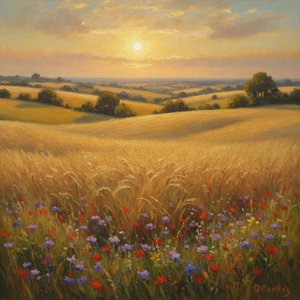
Golden Fields & Sun-Drenched Meadows: Capturing the Soul of Impressionist Landscapes
Immerse yourself in the luminous world of Impressionist landscapes. Discover how masters like Monet and Gauguin captured ephemeral light through plein air painting, and learn to bring the soul of sun-drenched meadows into your home with exquisite, hand-painted oil reproductions.